
Tropical Storm Lowell, currently at 55 knots with improving organization including a closed ring on microwave imagery, faces favorable conditions for rapid intensification as easterly shear diminishes and sea-surface temperatures remain at 28-29°C. National Hurricane Center guidance explicitly forecasts the system reaching hurricane strength within 24 hours and major hurricane status by 36 hours, supported by HAFS and SHIPS models showing light shear ahead. Proximity to Hurricane Karina introduces some later uncertainty in track and intensity, yet near-term environmental factors align with historical rapid-intensification patterns in the central Pacific. This scientific consensus underpins the 66.3% market-implied probability for Lowell becoming a hurricane.
Experimental AI-generated summary referencing Polymarket data. This is not trading advice and plays no role in how this market resolves. · UpdatedWill Tropical Storm Lowell strengthen to a hurricane?
Will Tropical Storm Lowell strengthen to a hurricane?
Lowell reaches hurricane strength if it attains a maximum sustained wind speed (1-minute average) of at least 74 mph, corresponding to Category 1 or higher on the Saffir-Simpson Hurricane Wind Scale, as reported by the National Hurricane Center. Reaching hurricane strength at any single advisory during the market's timeframe is sufficient to resolve this market to "Yes", regardless of the storm's intensity at other times.
The primary resolution source for this market will be the operational advisories issued by the National Hurricane Center (https://www.nhc.noaa.gov/). If Lowell is located outside the National Hurricane Center's area of responsibility, the maximum sustained wind speed reported by the responsible Regional Specialized Meteorological Center will be used.
This market will resolve based on the operational advisory data issued while the storm is active. Any revisions to the storm's peak intensity or category published later in a post-storm best-track report or Tropical Cyclone Report will not be considered for this market's resolution.
If Lowell does not reach hurricane strength by September 8, 2026, 11:59 PM ET, or dissipates before reaching hurricane strength, this market will resolve to "No".
Market Opened: Aug 27, 2026, 5:18 PM ET
Resolution Source
https://www.nhc.noaa.gov/Resolver
0x65070BE91...Lowell reaches hurricane strength if it attains a maximum sustained wind speed (1-minute average) of at least 74 mph, corresponding to Category 1 or higher on the Saffir-Simpson Hurricane Wind Scale, as reported by the National Hurricane Center. Reaching hurricane strength at any single advisory during the market's timeframe is sufficient to resolve this market to "Yes", regardless of the storm's intensity at other times.
The primary resolution source for this market will be the operational advisories issued by the National Hurricane Center (https://www.nhc.noaa.gov/). If Lowell is located outside the National Hurricane Center's area of responsibility, the maximum sustained wind speed reported by the responsible Regional Specialized Meteorological Center will be used.
This market will resolve based on the operational advisory data issued while the storm is active. Any revisions to the storm's peak intensity or category published later in a post-storm best-track report or Tropical Cyclone Report will not be considered for this market's resolution.
If Lowell does not reach hurricane strength by September 8, 2026, 11:59 PM ET, or dissipates before reaching hurricane strength, this market will resolve to "No".
Resolution Source
https://www.nhc.noaa.gov/Resolver
0x65070BE91...Tropical Storm Lowell, currently at 55 knots with improving organization including a closed ring on microwave imagery, faces favorable conditions for rapid intensification as easterly shear diminishes and sea-surface temperatures remain at 28-29°C. National Hurricane Center guidance explicitly forecasts the system reaching hurricane strength within 24 hours and major hurricane status by 36 hours, supported by HAFS and SHIPS models showing light shear ahead. Proximity to Hurricane Karina introduces some later uncertainty in track and intensity, yet near-term environmental factors align with historical rapid-intensification patterns in the central Pacific. This scientific consensus underpins the 66.3% market-implied probability for Lowell becoming a hurricane.
Experimental AI-generated summary referencing Polymarket data. This is not trading advice and plays no role in how this market resolves. · Updated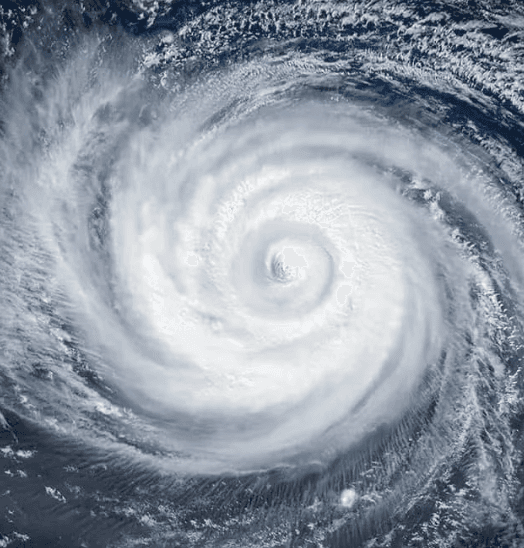
Beware of external links.
Beware of external links.
Frequently Asked Questions