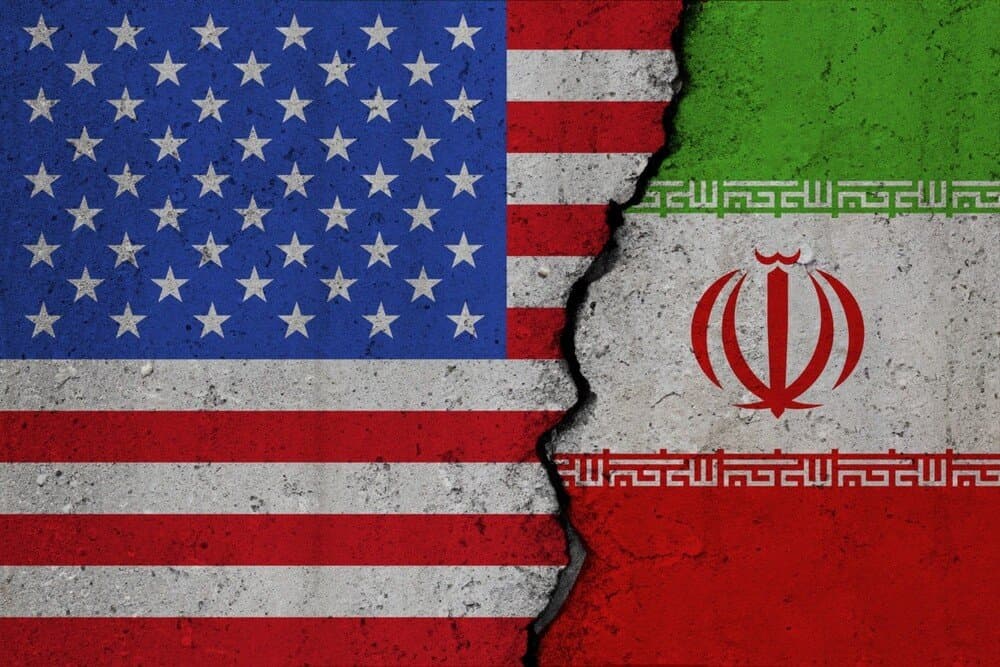
Recent escalations in the Strait of Hormuz have strained the April 2026 US-Iran ceasefire, with Iranian forces attacking commercial vessels in early July prompting US strikes on Iranian assets and renewed naval blockade measures. President Trump described the truce as over while signaling openness to continued talks, amid mutual threats of broader retaliation and Iranian efforts to assert control over shipping routes. Diplomatic channels involving mediators persist, focused on freedom of navigation, sanctions relief, and de-escalation timelines, though intermittent exchanges of fire continue. Trader sentiment reflects uncertainty over whether a verifiable two-week pause can stabilize amid these violations and competing interpretations of prior agreements.
Riepilogo sperimentale generato dall'AI con riferimento ai dati di Polymarket. Questo non è un consiglio di trading e non ha alcun ruolo nella risoluzione di questo mercato. · AggiornatoUS completes 11th night of strikes as diplomacy falters
August 31 rises to 55%3%
On July 22, the US military completed its 11th consecutive night of strikes on Iran, while diplomatic efforts mediated by Pakistan failed to revive the ceasefire, with US Secretary of State Rubio accusing Iran of not being serious about talks. This ongoing military action and diplomatic stalemate maintained low probabilities for near-term ceasefire outcomes but slightly supported longer-term hopes.
Iranian official meets Pakistani mediators to salvage collapsed ceasefire deal
August 31 rises to 55%3%
On July 22, 2026, an Iranian official began meetings with Pakistani mediators in an effort to salvage the collapsed interim ceasefire deal with the US. Despite ongoing military strikes, this diplomatic engagement provided some hope for longer-term ceasefire prospects, supporting a moderate recovery in market prices for the August 31 outcome.
US completes 11th consecutive night of strikes on Iran amid ongoing diplomatic efforts
August 14 dips to 35%1%
On July 22, the US military completed its 11th consecutive night of strikes targeting Iranian military sites, while diplomatic efforts mediated by Pakistan continued but failed to revive the ceasefire. US Secretary of State Rubio criticized Iran for not being serious about talks, maintaining low market confidence in near-term ceasefire outcomes.
Trump states Iran is 'not ready to make a deal' but expects progress soon
August 31 drops to 50%5%
On July 22, President Trump publicly stated that Iran was not yet ready to make a deal but suggested that progress toward a ceasefire might occur soon. This statement provided some cautious optimism, stabilizing the August 31 market price after recent declines.
US Secretary of State Rubio says US still open to diplomacy with Iran
August 14 dips to 36%1%
Secretary of State Marco Rubio stated that the US remains willing to pursue diplomacy, and Iran signaled interest in negotiations, supporting some market optimism for ceasefire by mid-August.
US Vice President JD Vance emphasizes willingness to talk amid ongoing strikes
August 14 jumps to 37%7%
Vice President JD Vance stated in a podcast interview that the Trump administration was not committed to continuous bombing and emphasized the need for dialogue to resolve the conflict. This statement helped stabilize and slightly increase market confidence for mid- to long-term ceasefire outcomes.
US Secretary of State Rubio signals Iran's openness to talks amid leadership splits
August 31 jumps to 53%5%
Marco Rubio stated Washington is receiving signals from Tehran indicating willingness to negotiate despite internal Iranian leadership divisions, providing renewed diplomatic hope and supporting longer-term ceasefire market optimism.
Mediators propose 10-day ceasefire to revive US-Iran interim deal
On July 20, mediators including officials from Qatar, Egypt, Oman, and Pakistan proposed a 10-day ceasefire to de-escalate the conflict and revive the interim deal between the US and Iran. This diplomatic effort briefly increased market optimism for a ceasefire by August 31.
US military continues strikes on Iran amid warnings of broader attacks from President Trump
July 24 drops to 4%10%
On July 20, the US military conducted further strikes on Iran, with President Trump warning of intensified attacks including targeting major infrastructure if Iran does not return to negotiations. This heightened military pressure caused market prices for near-term ceasefire outcomes to fall sharply.
Mediators propose 10-day ceasefire to revive interim US-Iran deal
August 14 jumps to 43%13%
Senior Iranian officials revealed that mediators passed a proposal offering a 10-day ceasefire to de-escalate the war and revive the interim deal, providing a diplomatic opening that increased ceasefire probabilities for longer-term dates.
US military carries out 10th consecutive night of strikes on Iran
August 31 jumps to 59%11%
The US military continued its nightly strikes on Iran to reopen the Strait of Hormuz, sustaining military pressure and keeping ceasefire chances low for near-term dates but supporting longer-term ceasefire hopes due to ongoing talks.
US Senator Rubio states US remains open to diplomacy with Iran despite ongoing strikes
August 31 drops to 52%7%
After over a week of escalating strikes that shattered the ceasefire, US Senator Marco Rubio affirmed that the US was still open to negotiations with Iran. This statement suggested a potential for diplomatic resolution, slightly bolstering market sentiment for longer-term ceasefire outcomes.
US completes ninth consecutive night of strikes on Iran
The US military announced the ninth consecutive night of strikes targeting Iranian military command centers and missile sites, maintaining high military pressure and keeping near-term ceasefire probabilities low.
US continues airstrikes on Iran, Iran claims new missile launches
July 31 jumps to 27%11%
The US conducted its ninth consecutive night of strikes targeting Iranian military assets near the Strait of Hormuz, while Iran claimed new missile attacks, sustaining conflict intensity and impacting market confidence in ceasefire outcomes.
US begins ninth night of strikes as Iran claims new missile launches
July 31 drops to 19%5%
By July 19, the US had conducted nine consecutive nights of strikes on Iran, while Iran claimed new missile attacks, indicating ongoing hostilities and no ceasefire. This sustained conflict contributed to low market prices for ceasefire outcomes by July 31 and August 14.
US launches fresh airstrikes on Iran to punish Revolutionary Guard for troop deaths
July 18 dips to 1%1%
Following the deaths of US service members in Jordan, the US military conducted new airstrikes against Iranian Revolutionary Guard targets, intensifying hostilities and further diminishing ceasefire chances for July 18.
Two US service members killed in Iranian missile and drone attacks in Jordan
July 18 drops to 0%5%
Iranian missile and drone attacks in Jordan killed two US service members and left one missing, prompting the US to launch fresh airstrikes on Iran, escalating the conflict and sharply reducing ceasefire probabilities for immediate dates.
US military launches new airstrikes to punish Iran for deaths of US troops in Jordan
Following Iranian missile and drone attacks in Jordan that killed US service members, the US conducted retaliatory airstrikes on Iran, escalating hostilities and further reducing ceasefire prospects.
US reports first military deaths since March amid renewed fighting with Iran
August 31 dips to 49%1%
Two US service members were killed and one went missing in action after Iranian strikes in Jordan, marking a significant escalation in the conflict and further diminishing ceasefire prospects by August 31.
US completes seventh consecutive night of strikes on Iran
August 31 drops to 49%5%
The US military conducted its seventh straight night of airstrikes against Iran, targeting surveillance sites and military logistics, signaling sustained conflict and further reducing ceasefire probabilities by August 31.
Iran suspends ceasefire commitments citing US violations
August 14 drops to 30%13%
Iran announced suspension of its commitments under the ceasefire memorandum, accusing the US of open violations, effectively ending hopes for a ceasefire and causing market confidence to drop further by August 14 and August 31.
US continues airstrikes on Iran for sixth consecutive day amid rising tensions
July 24 dips to 9%3%
By July 17, 2026, the US military had conducted six consecutive days of airstrikes targeting Iranian military infrastructure, signaling a sustained military campaign. This ongoing conflict further diminished the likelihood of a ceasefire in the short term, reflected in continued low market prices for near-term outcomes.
US launches seventh consecutive night of strikes on Iran
The US military continued nightly strikes targeting Iranian military capabilities, signaling ongoing conflict escalation and further reducing market confidence in a ceasefire by July 31 and earlier.
US military completes seventh consecutive night of strikes on Iran
July 31 drops to 16%8%
The US military continued nightly airstrikes targeting Iranian military capabilities, demonstrating sustained military action that undermined the possibility of a 14-day ceasefire pause.
Iranian negotiator signals coordination between military and diplomatic tracks
August 31 dips to 49%3%
Iran's lead negotiator emphasized the need for coordination between military actions and diplomacy, indicating ongoing complex dynamics but no immediate ceasefire progress.
US launches seventh consecutive night of strikes on Iran
July 24 drops to 9%5%
The US military continued nightly airstrikes targeting Iranian military infrastructure, aiming to degrade Iran's capabilities. This sustained military pressure kept short-term ceasefire probabilities low, reflected in declining market prices for July 24 and July 31 outcomes.
US President Trump declares ceasefire effectively defunct amid ongoing strikes
July 24 jumps to 20%6%
President Trump acknowledged the ceasefire was largely defunct as US and Iranian forces exchanged attacks, reflecting a shift to renewed but limited conflict and reducing confidence in near-term ceasefire success.
US military continues nightly strikes on Iran amid escalating conflict
July 24 jumps to 22%8%
The US military completed its seventh consecutive night of strikes targeting Iranian military and infrastructure sites, signaling ongoing hostilities and reducing confidence in a near-term ceasefire.
Iran reports casualties from US strikes and retaliates with drone attacks on US base in Jordan
July 31 dips to 23%1%
Iran reported that US strikes killed seven soldiers at a military installation and injured civilians, while Iran launched drone attacks on a US military base in Jordan, killing two US service members. This escalation further diminished ceasefire prospects, pushing market prices for near-term outcomes lower.
Iran warns of spreading attacks as US strikes continue
August 31 dips to 49%3%
Iran's Islamic Revolutionary Guard Corps warned that Iranian attacks would spread to new areas if US strikes persisted, indicating a potential escalation and undermining ceasefire hopes by August 31.
Diplomatic mediators work to resume US-Iran talks amid fighting
August 31 rises to 53%1%
Despite intensified fighting over the Strait of Hormuz, mediators from Pakistan, Qatar, and Egypt continued efforts to restart negotiations, sustaining some market optimism for longer-term ceasefire outcomes.
White House signals ongoing US-Iran talks despite renewed hostilities
August 31 jumps to 65%13%
On July 16, the White House press secretary indicated that talks with Iran were ongoing despite the renewed military strikes, suggesting a diplomatic off-ramp remained possible. This tempered some market pessimism, causing a partial recovery in prices for the August 31 outcome.
US military completes second wave of strikes on Iran
August 14 drops to 43%13%
US Central Command announced a second wave of strikes aimed at degrading Iran's ability to target vessels in the Strait of Hormuz, maintaining military pressure and impacting ceasefire market prices negatively for mid-July dates.
Diplomatic mediators continue efforts to resume US-Iran talks despite hostilities
August 31 dips to 49%3%
Mediators from Pakistan, Qatar, and Egypt worked to revive negotiations between the US and Iran, signaling that diplomatic efforts persist despite ongoing military conflict, though market confidence remained low.
US launches new wave of strikes on Iran amid warnings of broader attacks
July 24 dips to 8%4%
On July 16, the US conducted a 90-minute operation striking Iranian coastal defense and missile sites near the Strait of Hormuz, with President Trump warning of intensified attacks if Iran did not return to negotiations. This military escalation further reduced confidence in a ceasefire by July 24 and July 31.
Iran warns of expanding attacks as US launches new strikes amid Gulf tensions
August 14 dips to 34%1%
Following US strikes, Iran's military spokesman warned that attacks would spread to new areas if US strikes continued. Concurrently, Gulf states like Kuwait and Jordan reported intercepting Iranian missiles and drones, escalating regional tensions and signaling ongoing hostilities that undermined ceasefire prospects.
Fighting intensifies over Strait of Hormuz but diplomatic hopes persist
Despite intensified fighting between US and Iran over control of the Strait of Hormuz, mediators from Pakistan, Qatar, and Egypt worked to resume talks. Both sides' negotiators signaled they had not abandoned diplomacy, sustaining some market support for longer-term ceasefire possibilities.
White House confirms ongoing US-Iran talks despite renewed hostilities
August 31 dips to 49%3%
Despite escalating military strikes, the White House stated that diplomatic talks with Iran were continuing, providing some limited support to ceasefire hopes but insufficient to reverse market declines.
Mediators from Pakistan, Qatar, and Egypt work to resume US-Iran talks amid fighting
August 31 dips to 49%3%
Regional mediators attempted to revive negotiations between the US and Iran, signaling diplomatic efforts to restore ceasefire conditions, though fighting continued to intensify.
US expands airstrikes on Iran targeting military and infrastructure sites
July 31 drops to 14%10%
US forces widened their airstrike campaign against Iran, hitting multiple parts of the country including missile storage and launch sites, further escalating the conflict and reducing ceasefire chances by July 31.
Iran and US top negotiators signal openness to diplomacy despite fighting
Despite ongoing military strikes, leading negotiators from both Iran and the US indicated that diplomatic talks had not been abandoned, sustaining some market confidence for longer-term ceasefire outcomes such as August 14 and August 31.
Diplomatic mediators work to revive US-Iran talks amid fighting
August 14 jumps to 35%5%
Despite intensified fighting over the Strait of Hormuz, mediators from Pakistan, Qatar, and Egypt sought to resume negotiations between the US and Iran, keeping diplomatic hopes alive and causing some market recovery for mid-term ceasefire outcomes.
US Central Command confirms strikes on Iranian command centers and missile sites
July 31 drops to 16%8%
US Central Command announced multiple strikes on Iranian military targets including command centers, air defense sites, and missile capabilities, escalating the conflict and reducing market confidence in a near-term ceasefire.
Iran retaliates with missile and drone attacks on US bases in Gulf states
July 24 dips to 10%4%
Iran launched missile and drone attacks against US military facilities in Kuwait, Bahrain, and Jordan, causing casualties and escalating hostilities, which further diminished market expectations for a ceasefire by July 24 and earlier.
US reimposes naval blockade on Iran amid ongoing strikes
July 18 drops to 0%5%
The US military reinstated a naval blockade on Iranian ports to counter Iran's attacks on commercial shipping through the Strait of Hormuz, intensifying the conflict and reducing market confidence in a ceasefire by July 18.
US launches fresh airstrikes on Iran targeting Strait of Hormuz
July 24 dips to 11%3%
The US military conducted multiple airstrikes aimed at degrading Iran's ability to disrupt shipping in the Strait of Hormuz, signaling continued military engagement and diminishing chances of a ceasefire holding for 14 days.
US launches sixth consecutive night of strikes on Iran targeting military sites near Strait of Hormuz
August 14 drops to 43%13%
On July 15, the US military conducted a sixth consecutive night of strikes against Iranian military targets near the Strait of Hormuz, including coastal defense systems and missile facilities, aiming to degrade Iran's ability to threaten commercial shipping. This escalation marked a significant breakdown of the ceasefire and led to a sharp drop in market confidence for near-term ceasefire outcomes.
US military conducts second wave of strikes on Iran to protect vessels in Strait of Hormuz
August 14 drops to 43%13%
The US military launched a second wave of airstrikes aimed at degrading Iran's ability to target commercial vessels in the Strait of Hormuz, signaling ongoing hostilities and diminishing ceasefire prospects by August 14 and August 31.
Iran retaliates with missile and drone attacks on US bases in Gulf states
August 14 drops to 35%8%
In response to US strikes, Iran launched missile and drone attacks on US military facilities in Kuwait, Bahrain, and Jordan, increasing casualties and regional instability, further diminishing ceasefire prospects.
US launches multiple waves of airstrikes on Iran targeting Strait of Hormuz military sites
August 14 drops to 43%13%
On July 15, the US military conducted at least two waves of airstrikes against Iranian military targets near the Strait of Hormuz, aiming to degrade Iran's ability to threaten commercial shipping. This escalation followed the US reimposing a naval blockade and marked the fifth consecutive day of strikes, intensifying the conflict and reducing market confidence in a near-term ceasefire.
Iran formally renounces ceasefire and ends negotiations with US
July 18 drops to 0%5%
On July 15, 2026, Iran's foreign ministry spokesman declared that Iran had no plans for negotiations and would not adhere to any agreement if the US breached its obligations, effectively ending the ceasefire and diplomatic talks. This statement confirmed the collapse of the ceasefire and contributed to the market's negative outlook on near-term ceasefire success.
US resumes naval blockade and launches multiple airstrikes on Iran
July 18 drops to 0%5%
On July 15, the US reinstated a naval blockade on Iranian ports and conducted two waves of airstrikes targeting Iranian military sites near the Strait of Hormuz, aiming to degrade Iran's ability to threaten commercial shipping. This marked a significant escalation, effectively ending the ceasefire and causing market prices for near-term ceasefire outcomes to drop.
Iran declares US violated ceasefire, vows to continue fighting
July 18 drops to 0%5%
Iran accused the US of disregarding the ceasefire from its inception and stated it had no plans for negotiations, signaling a hardening stance amid ongoing US strikes. This further diminished hopes for a near-term ceasefire, impacting market prices negatively for short-term outcomes.
US Central Command announces disabling of non-compliant oil tanker enforcing naval blockade
August 14 drops to 43%13%
US forces disabled an oil tanker attempting to reach an Iranian port, reinforcing the naval blockade and ongoing hostilities, further reducing the likelihood of a ceasefire pause.
US President Trump declares ceasefire 'over' amid renewed strikes on Iran
July 18 drops to 0%5%
President Trump announced that the ceasefire with Iran was over, coinciding with the US military's renewed strikes and naval blockade enforcement. This announcement contributed to the market's sharp drop in confidence for the earliest ceasefire outcomes, reflecting increased expectations of continued conflict.
Top US and Iranian negotiators signal diplomacy remains possible amid fighting
August 31 jumps to 65%13%
Despite intensified military actions, leading negotiators from both the US and Iran indicated that diplomatic channels remained open. Mediators from Pakistan, Qatar, and Egypt continued efforts to resume talks, providing some market optimism for a ceasefire extension, though fighting persisted.
US launches second wave of strikes on Iran targeting Strait of Hormuz threats
July 18 dips to 1%4%
On July 15, the US military conducted a second wave of strikes aimed at degrading Iran's ability to threaten vessels in the Strait of Hormuz, signaling an escalation after the ceasefire collapsed. This military action decreased confidence in a near-term ceasefire, reflected in falling market prices for July 18 and July 24 outcomes.
Iran declares no plans for negotiations, rejects ceasefire adherence
July 18 dips to 1%4%
Iran's foreign ministry spokesman stated on July 15 that Iran had no plans for negotiations and would not adhere to any agreement if the US breached its obligations, effectively ending the ceasefire. This hardened stance contributed to market declines in short-term ceasefire probabilities.
US launches multiple waves of airstrikes on Iran targeting Strait of Hormuz military sites
July 18 drops to 0%5%
On July 15, the US military conducted two waves of airstrikes against Iranian military targets near the Strait of Hormuz, aiming to degrade Iran's ability to threaten commercial shipping. This escalation followed the collapse of the previous ceasefire and the reimposition of a US naval blockade, leading to a sharp decline in market confidence for near-term ceasefire outcomes such as July 18 and July 24.
US launches multiple airstrikes on Iran, reimposes naval blockade
August 14 drops to 43%13%
The US military conducted two waves of strikes targeting Iranian military sites near the Strait of Hormuz and disabled an oil tanker attempting to breach the blockade, escalating tensions and signaling the collapse of the ceasefire. This caused a sharp drop in market confidence for near-term ceasefire outcomes.
US launches second wave of airstrikes on Iran targeting Strait of Hormuz threats
August 31 dips to 49%3%
On July 15, the US military conducted a second wave of strikes aimed at degrading Iran's ability to attack vessels in the Strait of Hormuz, including disabling an oil tanker heading to Kharg Island. This escalation signaled a continuation of hostilities despite ceasefire hopes, causing a drop in market confidence for near-term ceasefire outcomes.
Iran's top negotiator signals openness to diplomacy amid ongoing conflict
August 31 dips to 49%3%
General Mohammad Bagher Ghalibaf emphasized the need for coordination between military and diplomatic efforts, stating that war and negotiations are both methods to protect Iran's national interest. This statement kept some market optimism alive for a ceasefire, though overshadowed by military actions.
US launches new airstrikes on Iran targeting Strait of Hormuz facilities
August 31 jumps to 65%13%
The US military conducted fresh strikes on Iranian missile storage and launch sites near the Strait of Hormuz to degrade Iran's ability to threaten shipping, escalating the conflict and reducing ceasefire expectations for near-term dates.



Fai attenzione ai link esterni.
Fai attenzione ai link esterni.
Domande frequenti