icon for ¿El Super Typhoon Dolphin tocará tierra con una fuerza de categoría 4 o superior?

¿El Super Typhoon Dolphin tocará tierra con una fuerza de categoría 4 o superior?

icon for ¿El Super Typhoon Dolphin tocará tierra con una fuerza de categoría 4 o superior?

¿El Super Typhoon Dolphin tocará tierra con una fuerza de categoría 4 o superior?

10% probabilidad
Polymarket
NUEVO

10% probabilidad
Polymarket
NUEVO
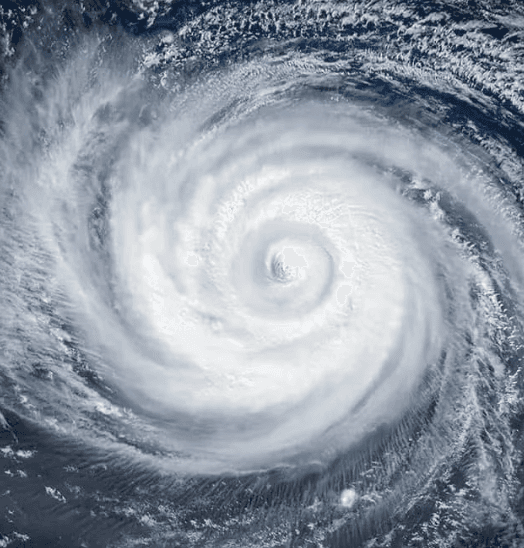
This market resolves "Yes" if Super Typhoon Dolphin makes landfall on any landmass while the most recently issued JMA advisory prior to the crossing shows maximum sustained wind speed near center of 105 knots or higher, corresponding approximately to Category 4 equivalent intensity on the Saffir-Simpson scale. Landfall is defined as the center of Dolphin's circulation physically crossing any coastline, as determined by the Japan Meteorological Agency's (JMA) position advisories (https://www.jma.go.jp/bosai/map.html#contents=typhoon&lang=en), or by credible international news reporting confirming landfall. The single JMA advisory in effect immediately prior to the observed crossing is authoritative for both position and intensity; no subsequent real-time advisory, reclassification, or post-season best-track reanalysis may retroactively change the outcome. JMA position advisories are the primary resolution source. If a JMA advisory plots the center on land, the market resolves based on that advisory's wind speed. If no JMA advisory plots the center on land but credible reporting confirms a crossing occurred between discrete advisory fixes, the intensity is taken from the most recently issued JMA advisory prior to the confirmed crossing time. This market resolves "No" if Dolphin makes landfall with the most recent prior JMA advisory showing maximum sustained winds below 105 knots, if Dolphin dissipates without making landfall on any territory, or if no landfall has physically occurred by the close of August 15, 2026.Super Typhoon Dolphin currently maintains Category 5-equivalent intensity with sustained winds near 145–160 mph over the open western Pacific near 20°N 158°E, according to Joint Typhoon Warning Center observations. Official forecast models show the system tracking west-northwest while encountering increasing wind shear and cooler waters, leading to rapid weakening to Category 2 or 1 strength by early next week. This trajectory places any potential approach to the Ogasawara Islands or Japanese mainland around August 6 at substantially reduced intensity well below Category 4 thresholds on the Saffir-Simpson scale. Recent model consensus and historical analogs during strong El Niño conditions support limited intensification potential near land, aligning with the 90% market-implied probability against a high-end landfall.

This market resolves "Yes" if Super Typhoon Dolphin makes landfall on any landmass while the most recently issued JMA advisory prior to the crossing shows maximum sustained wind speed near center of 105 knots or higher, corresponding approximately to Category 4 equivalent intensity on the Saffir-Simpson scale. Landfall is defined as the center of Dolphin's circulation physically crossing any coastline, as determined by the Japan Meteorological Agency's (JMA) position advisories (https://www.jma.go.jp/bosai/map.html#contents=typhoon&lang=en), or by credible international news reporting confirming landfall.

The single JMA advisory in effect immediately prior to the observed crossing is authoritative for both position and intensity; no subsequent real-time advisory, reclassification, or post-season best-track reanalysis may retroactively change the outcome.

JMA position advisories are the primary resolution source. If a JMA advisory plots the center on land, the market resolves based on that advisory's wind speed. If no JMA advisory plots the center on land but credible reporting confirms a crossing occurred between discrete advisory fixes, the intensity is taken from the most recently issued JMA advisory prior to the confirmed crossing time.

This market resolves "No" if Dolphin makes landfall with the most recent prior JMA advisory showing maximum sustained winds below 105 knots, if Dolphin dissipates without making landfall on any territory, or if no landfall has physically occurred by the close of August 15, 2026.
Volumen
$25
Mercado abierto
Jul 30, 2026, 4:58 PM ET
This market resolves "Yes" if Super Typhoon Dolphin makes landfall on any landmass while the most recently issued JMA advisory prior to the crossing shows maximum sustained wind speed near center of 105 knots or higher, corresponding approximately to Category 4 equivalent intensity on the Saffir-Simpson scale. Landfall is defined as the center of Dolphin's circulation physically crossing any coastline, as determined by the Japan Meteorological Agency's (JMA) position advisories (https://www.jma.go.jp/bosai/map.html#contents=typhoon&lang=en), or by credible international news reporting confirming landfall. The single JMA advisory in effect immediately prior to the observed crossing is authoritative for both position and intensity; no subsequent real-time advisory, reclassification, or post-season best-track reanalysis may retroactively change the outcome. JMA position advisories are the primary resolution source. If a JMA advisory plots the center on land, the market resolves based on that advisory's wind speed. If no JMA advisory plots the center on land but credible reporting confirms a crossing occurred between discrete advisory fixes, the intensity is taken from the most recently issued JMA advisory prior to the confirmed crossing time. This market resolves "No" if Dolphin makes landfall with the most recent prior JMA advisory showing maximum sustained winds below 105 knots, if Dolphin dissipates without making landfall on any territory, or if no landfall has physically occurred by the close of August 15, 2026.
This market resolves "Yes" if Super Typhoon Dolphin makes landfall on any landmass while the most recently issued JMA advisory prior to the crossing shows maximum sustained wind speed near center of 105 knots or higher, corresponding approximately to Category 4 equivalent intensity on the Saffir-Simpson scale. Landfall is defined as the center of Dolphin's circulation physically crossing any coastline, as determined by the Japan Meteorological Agency's (JMA) position advisories (https://www.jma.go.jp/bosai/map.html#contents=typhoon&lang=en), or by credible international news reporting confirming landfall. The single JMA advisory in effect immediately prior to the observed crossing is authoritative for both position and intensity; no subsequent real-time advisory, reclassification, or post-season best-track reanalysis may retroactively change the outcome. JMA position advisories are the primary resolution source. If a JMA advisory plots the center on land, the market resolves based on that advisory's wind speed. If no JMA advisory plots the center on land but credible reporting confirms a crossing occurred between discrete advisory fixes, the intensity is taken from the most recently issued JMA advisory prior to the confirmed crossing time. This market resolves "No" if Dolphin makes landfall with the most recent prior JMA advisory showing maximum sustained winds below 105 knots, if Dolphin dissipates without making landfall on any territory, or if no landfall has physically occurred by the close of August 15, 2026.Super Typhoon Dolphin currently maintains Category 5-equivalent intensity with sustained winds near 145–160 mph over the open western Pacific near 20°N 158°E, according to Joint Typhoon Warning Center observations. Official forecast models show the system tracking west-northwest while encountering increasing wind shear and cooler waters, leading to rapid weakening to Category 2 or 1 strength by early next week. This trajectory places any potential approach to the Ogasawara Islands or Japanese mainland around August 6 at substantially reduced intensity well below Category 4 thresholds on the Saffir-Simpson scale. Recent model consensus and historical analogs during strong El Niño conditions support limited intensification potential near land, aligning with the 90% market-implied probability against a high-end landfall.

This market resolves "Yes" if Super Typhoon Dolphin makes landfall on any landmass while the most recently issued JMA advisory prior to the crossing shows maximum sustained wind speed near center of 105 knots or higher, corresponding approximately to Category 4 equivalent intensity on the Saffir-Simpson scale. Landfall is defined as the center of Dolphin's circulation physically crossing any coastline, as determined by the Japan Meteorological Agency's (JMA) position advisories (https://www.jma.go.jp/bosai/map.html#contents=typhoon&lang=en), or by credible international news reporting confirming landfall.

The single JMA advisory in effect immediately prior to the observed crossing is authoritative for both position and intensity; no subsequent real-time advisory, reclassification, or post-season best-track reanalysis may retroactively change the outcome.

JMA position advisories are the primary resolution source. If a JMA advisory plots the center on land, the market resolves based on that advisory's wind speed. If no JMA advisory plots the center on land but credible reporting confirms a crossing occurred between discrete advisory fixes, the intensity is taken from the most recently issued JMA advisory prior to the confirmed crossing time.

This market resolves "No" if Dolphin makes landfall with the most recent prior JMA advisory showing maximum sustained winds below 105 knots, if Dolphin dissipates without making landfall on any territory, or if no landfall has physically occurred by the close of August 15, 2026.
Volumen
$25
Fecha de finalización
16 ago 2026
Mercado abierto
Jul 30, 2026, 4:58 PM ET
This market resolves "Yes" if Super Typhoon Dolphin makes landfall on any landmass while the most recently issued JMA advisory prior to the crossing shows maximum sustained wind speed near center of 105 knots or higher, corresponding approximately to Category 4 equivalent intensity on the Saffir-Simpson scale. Landfall is defined as the center of Dolphin's circulation physically crossing any coastline, as determined by the Japan Meteorological Agency's (JMA) position advisories (https://www.jma.go.jp/bosai/map.html#contents=typhoon&lang=en), or by credible international news reporting confirming landfall. The single JMA advisory in effect immediately prior to the observed crossing is authoritative for both position and intensity; no subsequent real-time advisory, reclassification, or post-season best-track reanalysis may retroactively change the outcome. JMA position advisories are the primary resolution source. If a JMA advisory plots the center on land, the market resolves based on that advisory's wind speed. If no JMA advisory plots the center on land but credible reporting confirms a crossing occurred between discrete advisory fixes, the intensity is taken from the most recently issued JMA advisory prior to the confirmed crossing time. This market resolves "No" if Dolphin makes landfall with the most recent prior JMA advisory showing maximum sustained winds below 105 knots, if Dolphin dissipates without making landfall on any territory, or if no landfall has physically occurred by the close of August 15, 2026.

Cuidado con los enlaces externos.

Preguntas frecuentes

"¿El Super Typhoon Dolphin tocará tierra con una fuerza de categoría 4 o superior?" es un mercado de predicción en Polymarket con 2 resultados posibles donde los operadores compran y venden acciones según lo que creen que sucederá. El resultado líder actual es "¿El súper tifón Dolphin tocará tierra con una intensidad de categoría 4 o superior?" con 10%. Los precios reflejan probabilidades en tiempo real de la comunidad. Por ejemplo, una acción cotizada a 10¢ implica que el mercado colectivamente asigna una probabilidad de 10% a ese resultado. Estas probabilidades cambian continuamente a medida que los operadores reaccionan a nuevos desarrollos. Las acciones del resultado correcto son canjeables por $1 cada una tras la resolución del mercado.

"¿El Super Typhoon Dolphin tocará tierra con una fuerza de categoría 4 o superior?" es un mercado recién creado en Polymarket, lanzado el Jul 30, 2026. Como mercado nuevo, esta es tu oportunidad de ser uno de los primeros operadores en establecer las probabilidades y las señales de precio iniciales del mercado. También puedes guardar esta página en marcadores para seguir el volumen y la actividad de trading a medida que el mercado gana tracción.

Para operar en "¿El Super Typhoon Dolphin tocará tierra con una fuerza de categoría 4 o superior?", explora los 2 resultados disponibles en esta página. Cada resultado muestra un precio actual que representa la probabilidad implícita del mercado. Para tomar una posición, selecciona el resultado que consideres más probable, elige "Sí" para operar a favor o "No" para operar en contra, introduce tu cantidad y haz clic en "Operar". Si tu resultado elegido es correcto cuando el mercado se resuelve, tus acciones de "Sí" pagan $1 cada una. Si es incorrecto, pagan $0. También puedes vender tus acciones en cualquier momento antes de la resolución.

El favorito actual para "¿El Super Typhoon Dolphin tocará tierra con una fuerza de categoría 4 o superior?" es "¿El súper tifón Dolphin tocará tierra con una intensidad de categoría 4 o superior?" con 10%, lo que significa que el mercado asigna una probabilidad de 10% a ese resultado. Estas probabilidades se actualizan en tiempo real a medida que los operadores compran y venden acciones. Vuelve con frecuencia o guarda esta página en marcadores.

Las reglas de resolución para "¿El Super Typhoon Dolphin tocará tierra con una fuerza de categoría 4 o superior?" definen exactamente qué debe ocurrir para que cada resultado sea declarado ganador, incluyendo las fuentes de datos oficiales utilizadas para determinar el resultado. Puedes revisar los criterios de resolución completos en la sección "Reglas" en esta página sobre los comentarios. Recomendamos leer las reglas cuidadosamente antes de operar, ya que especifican las condiciones exactas, casos especiales y fuentes.