
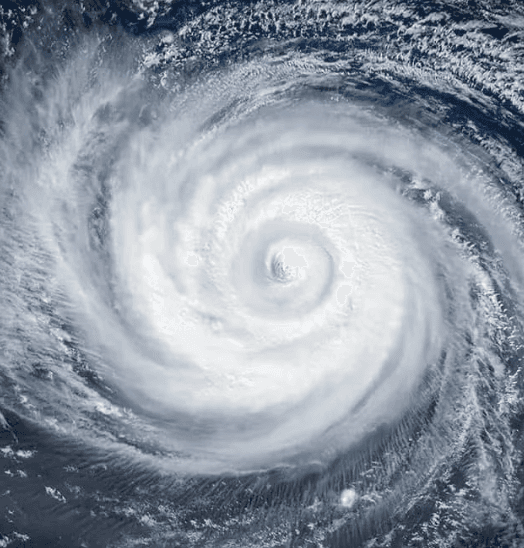
Super Typhoon Dolphin, currently a Category 4-equivalent system with sustained winds near 125–145 mph east of the Mariana Islands, tracks west-northwest at roughly 9–12 mph under steering from a stationary subtropical ridge. Official Joint Typhoon Warning Center guidance and ensemble models show the cyclone approaching the Ogasawara chain by early August before potentially curving toward the Nansei Islands or East China Sea around August 6–8. While most runs keep the core south of mainland Japan, spread in long-range steering and rapid weakening after peak intensity create genuine uncertainty, supporting the 56.5% market-implied probability that Dolphin or its remnants will satisfy resolution criteria for a Japan landfall or direct impact.
Resumen experimental generado por IA con datos de Polymarket. Esto no es asesoramiento de trading y no influye en cómo se resuelve este mercado. · Actualizado¿El Super Typhoon Dolphin llegará a Japón?
¿El Super Typhoon Dolphin llegará a Japón?
Sí
NUEVO
$16,358 Vol.
NUEVO
$16,358 Vol.
16 ago 2026
Sí
NUEVO
$16,358 Vol.
NUEVO
$16,358 Vol.
16 ago 2026
This market resolves "Yes" if the center of Super Typhoon Dolphin's circulation physically crosses the coastline of any Japanese territory (including Okinawa, the Ryukyu Islands, and all main islands) on or before August 15, 2026. Resolution is determined by the Japan Meteorological Agency's (JMA) position advisories placing the storm over Japanese land (https://www.jma.go.jp/bosai/map.html#contents=typhoon&lang=en), or by credible international news reporting confirming the storm hitting Japanese territory. The system's classification is determined by the single JMA advisory in effect immediately prior to the observed crossing. Once that advisory fixes classification at the time of impact, no subsequent real-time advisory, reclassification, or post-season best-track reanalysis may retroactively change the outcome.
JMA position advisories are the primary resolution source. If a JMA advisory plots the center on Japanese land, the market resolves "Yes" regardless of what other sources say. If no JMA advisory plots the center on land but credible reporting confirms a crossing occurred between discrete advisory fixes, the market resolves "Yes." A disagreement exists only when a JMA advisory and credible reporting make contradictory claims about the storm's position at the same point in time; in that case, JMA is the default resolution source. In all cases, the classification is taken from the most recently issued JMA advisory prior to the confirmed crossing time.
This is a purely geographic criterion: the storm's center must pass over Japanese land, regardless of whether JMA formally designates the event as "landfall" or "passage." The most recently issued JMA advisory prior to the crossing must classify Dolphin as a tropical cyclone (tropical depression or higher). If that advisory classifies the system as extratropical, dissipated, or absorbed, the crossing does not count and the market will resolve to "No".
This market resolves "No" if Dolphin has been declared extratropical, dissipated, or absorbed on or before August 15 without having made landfall on Japanese territory, or if no landfall has physically occurred by the close of August 15, 2026.Super Typhoon Dolphin, currently a Category 4-equivalent system with sustained winds near 125–145 mph east of the Mariana Islands, tracks west-northwest at roughly 9–12 mph under steering from a stationary subtropical ridge. Official Joint Typhoon Warning Center guidance and ensemble models show the cyclone approaching the Ogasawara chain by early August before potentially curving toward the Nansei Islands or East China Sea around August 6–8. While most runs keep the core south of mainland Japan, spread in long-range steering and rapid weakening after peak intensity create genuine uncertainty, supporting the 56.5% market-implied probability that Dolphin or its remnants will satisfy resolution criteria for a Japan landfall or direct impact.
This market resolves "Yes" if the center of Super Typhoon Dolphin's circulation physically crosses the coastline of any Japanese territory (including Okinawa, the Ryukyu Islands, and all main islands) on or before August 15, 2026. Resolution is determined by the Japan Meteorological Agency's (JMA) position advisories placing the storm over Japanese land (https://www.jma.go.jp/bosai/map.html#contents=typhoon&lang=en), or by credible international news reporting confirming the storm hitting Japanese territory. The system's classification is determined by the single JMA advisory in effect immediately prior to the observed crossing. Once that advisory fixes classification at the time of impact, no subsequent real-time advisory, reclassification, or post-season best-track reanalysis may retroactively change the outcome.
JMA position advisories are the primary resolution source. If a JMA advisory plots the center on Japanese land, the market resolves "Yes" regardless of what other sources say. If no JMA advisory plots the center on land but credible reporting confirms a crossing occurred between discrete advisory fixes, the market resolves "Yes." A disagreement exists only when a JMA advisory and credible reporting make contradictory claims about the storm's position at the same point in time; in that case, JMA is the default resolution source. In all cases, the classification is taken from the most recently issued JMA advisory prior to the confirmed crossing time.
This is a purely geographic criterion: the storm's center must pass over Japanese land, regardless of whether JMA formally designates the event as "landfall" or "passage." The most recently issued JMA advisory prior to the crossing must classify Dolphin as a tropical cyclone (tropical depression or higher). If that advisory classifies the system as extratropical, dissipated, or absorbed, the crossing does not count and the market will resolve to "No".
This market resolves "No" if Dolphin has been declared extratropical, dissipated, or absorbed on or before August 15 without having made landfall on Japanese territory, or if no landfall has physically occurred by the close of August 15, 2026.
JMA position advisories are the primary resolution source. If a JMA advisory plots the center on Japanese land, the market resolves "Yes" regardless of what other sources say. If no JMA advisory plots the center on land but credible reporting confirms a crossing occurred between discrete advisory fixes, the market resolves "Yes." A disagreement exists only when a JMA advisory and credible reporting make contradictory claims about the storm's position at the same point in time; in that case, JMA is the default resolution source. In all cases, the classification is taken from the most recently issued JMA advisory prior to the confirmed crossing time.
This is a purely geographic criterion: the storm's center must pass over Japanese land, regardless of whether JMA formally designates the event as "landfall" or "passage." The most recently issued JMA advisory prior to the crossing must classify Dolphin as a tropical cyclone (tropical depression or higher). If that advisory classifies the system as extratropical, dissipated, or absorbed, the crossing does not count and the market will resolve to "No".
This market resolves "No" if Dolphin has been declared extratropical, dissipated, or absorbed on or before August 15 without having made landfall on Japanese territory, or if no landfall has physically occurred by the close of August 15, 2026.
Mercado abierto: Jul 30, 2026, 11:53 AM ET
Volumen
$16,358Fecha de finalización
16 ago 2026Mercado abierto
Jul 30, 2026, 11:53 AM ETResolver
0x65070BE91...This market resolves "Yes" if the center of Super Typhoon Dolphin's circulation physically crosses the coastline of any Japanese territory (including Okinawa, the Ryukyu Islands, and all main islands) on or before August 15, 2026. Resolution is determined by the Japan Meteorological Agency's (JMA) position advisories placing the storm over Japanese land (https://www.jma.go.jp/bosai/map.html#contents=typhoon&lang=en), or by credible international news reporting confirming the storm hitting Japanese territory. The system's classification is determined by the single JMA advisory in effect immediately prior to the observed crossing. Once that advisory fixes classification at the time of impact, no subsequent real-time advisory, reclassification, or post-season best-track reanalysis may retroactively change the outcome.
JMA position advisories are the primary resolution source. If a JMA advisory plots the center on Japanese land, the market resolves "Yes" regardless of what other sources say. If no JMA advisory plots the center on land but credible reporting confirms a crossing occurred between discrete advisory fixes, the market resolves "Yes." A disagreement exists only when a JMA advisory and credible reporting make contradictory claims about the storm's position at the same point in time; in that case, JMA is the default resolution source. In all cases, the classification is taken from the most recently issued JMA advisory prior to the confirmed crossing time.
This is a purely geographic criterion: the storm's center must pass over Japanese land, regardless of whether JMA formally designates the event as "landfall" or "passage." The most recently issued JMA advisory prior to the crossing must classify Dolphin as a tropical cyclone (tropical depression or higher). If that advisory classifies the system as extratropical, dissipated, or absorbed, the crossing does not count and the market will resolve to "No".
This market resolves "No" if Dolphin has been declared extratropical, dissipated, or absorbed on or before August 15 without having made landfall on Japanese territory, or if no landfall has physically occurred by the close of August 15, 2026.Super Typhoon Dolphin, currently a Category 4-equivalent system with sustained winds near 125–145 mph east of the Mariana Islands, tracks west-northwest at roughly 9–12 mph under steering from a stationary subtropical ridge. Official Joint Typhoon Warning Center guidance and ensemble models show the cyclone approaching the Ogasawara chain by early August before potentially curving toward the Nansei Islands or East China Sea around August 6–8. While most runs keep the core south of mainland Japan, spread in long-range steering and rapid weakening after peak intensity create genuine uncertainty, supporting the 56.5% market-implied probability that Dolphin or its remnants will satisfy resolution criteria for a Japan landfall or direct impact.
This market resolves "Yes" if the center of Super Typhoon Dolphin's circulation physically crosses the coastline of any Japanese territory (including Okinawa, the Ryukyu Islands, and all main islands) on or before August 15, 2026. Resolution is determined by the Japan Meteorological Agency's (JMA) position advisories placing the storm over Japanese land (https://www.jma.go.jp/bosai/map.html#contents=typhoon&lang=en), or by credible international news reporting confirming the storm hitting Japanese territory. The system's classification is determined by the single JMA advisory in effect immediately prior to the observed crossing. Once that advisory fixes classification at the time of impact, no subsequent real-time advisory, reclassification, or post-season best-track reanalysis may retroactively change the outcome.
JMA position advisories are the primary resolution source. If a JMA advisory plots the center on Japanese land, the market resolves "Yes" regardless of what other sources say. If no JMA advisory plots the center on land but credible reporting confirms a crossing occurred between discrete advisory fixes, the market resolves "Yes." A disagreement exists only when a JMA advisory and credible reporting make contradictory claims about the storm's position at the same point in time; in that case, JMA is the default resolution source. In all cases, the classification is taken from the most recently issued JMA advisory prior to the confirmed crossing time.
This is a purely geographic criterion: the storm's center must pass over Japanese land, regardless of whether JMA formally designates the event as "landfall" or "passage." The most recently issued JMA advisory prior to the crossing must classify Dolphin as a tropical cyclone (tropical depression or higher). If that advisory classifies the system as extratropical, dissipated, or absorbed, the crossing does not count and the market will resolve to "No".
This market resolves "No" if Dolphin has been declared extratropical, dissipated, or absorbed on or before August 15 without having made landfall on Japanese territory, or if no landfall has physically occurred by the close of August 15, 2026.
JMA position advisories are the primary resolution source. If a JMA advisory plots the center on Japanese land, the market resolves "Yes" regardless of what other sources say. If no JMA advisory plots the center on land but credible reporting confirms a crossing occurred between discrete advisory fixes, the market resolves "Yes." A disagreement exists only when a JMA advisory and credible reporting make contradictory claims about the storm's position at the same point in time; in that case, JMA is the default resolution source. In all cases, the classification is taken from the most recently issued JMA advisory prior to the confirmed crossing time.
This is a purely geographic criterion: the storm's center must pass over Japanese land, regardless of whether JMA formally designates the event as "landfall" or "passage." The most recently issued JMA advisory prior to the crossing must classify Dolphin as a tropical cyclone (tropical depression or higher). If that advisory classifies the system as extratropical, dissipated, or absorbed, the crossing does not count and the market will resolve to "No".
This market resolves "No" if Dolphin has been declared extratropical, dissipated, or absorbed on or before August 15 without having made landfall on Japanese territory, or if no landfall has physically occurred by the close of August 15, 2026.
Volumen
$16,358Fecha de finalización
16 ago 2026Mercado abierto
Jul 30, 2026, 11:53 AM ETResolver
0x65070BE91...Super Typhoon Dolphin, currently a Category 4-equivalent system with sustained winds near 125–145 mph east of the Mariana Islands, tracks west-northwest at roughly 9–12 mph under steering from a stationary subtropical ridge. Official Joint Typhoon Warning Center guidance and ensemble models show the cyclone approaching the Ogasawara chain by early August before potentially curving toward the Nansei Islands or East China Sea around August 6–8. While most runs keep the core south of mainland Japan, spread in long-range steering and rapid weakening after peak intensity create genuine uncertainty, supporting the 56.5% market-implied probability that Dolphin or its remnants will satisfy resolution criteria for a Japan landfall or direct impact.
Resumen experimental generado por IA con datos de Polymarket. Esto no es asesoramiento de trading y no influye en cómo se resuelve este mercado. · Actualizado
Cuidado con los enlaces externos.
Cuidado con los enlaces externos.
Preguntas frecuentes