icon for 氣候時鐘的1.5°C截止日期會改變嗎?

氣候時鐘的1.5°C截止日期會改變嗎?

icon for 氣候時鐘的1.5°C截止日期會改變嗎?

氣候時鐘的1.5°C截止日期會改變嗎?

10% 機率
Polymarket

$12,623 交易量

10% 機率
Polymarket

$12,623 交易量

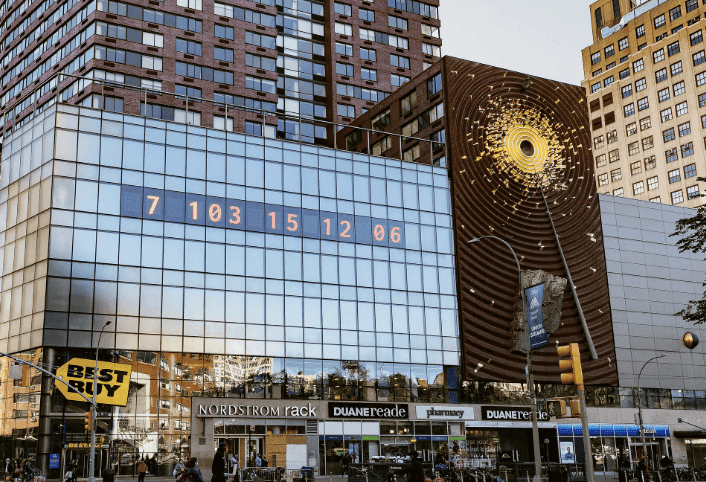
Each market asks whether the “Deadline” to limit global warming to 1.5°C shown by the Climate Clock (https://climateclock.world) will change before that market's listed date. A market resolves to “Yes” if, at any point on or before its listed date, 11:59 PM ET, the Climate Clock's published 1.5°C Deadline is more than 30 days earlier or more than 30 days later than July 22, 2029. Otherwise, that market resolves to “No”. The Climate Clock's 1.5°C Deadline is published as a machine-readable timestamp in its public data feed at https://api.climateclock.world/v2/clock.json (the “timestamp” value of the carbon-deadline module), which is the same target the on-site countdown at https://climateclock.world displays. As of this market's creation, that Deadline is July 22, 2029 (timestamp 2029-07-22T16:00:00+00:00). The ordinary second-by-second ticking of the countdown toward the Deadline does not constitute a change; only a change to the published Deadline date itself qualifies. Because a qualifying change is permanent once published, every market with a listed date on or after the change will resolve “Yes”, and markets whose listed date has already passed without a qualifying change will have resolved “No”. If the Climate Clock and its public data feed both become permanently unavailable before a qualifying change is published, all unresolved markets will resolve to “No”.Strong trader consensus around a 90.5% implied probability of no change to the Climate Clock's July 22, 2029 deadline by year-end 2026 stems primarily from the clock's reliance on stable carbon budget estimates anchored to IPCC AR6 and Global Carbon Project data, combined with its infrequent revision cadence. Annual or quarterly updates adjust for recent emissions trends near 40–42 GtCO₂, but these rarely shift the deadline by more than 30 days without major new scientific inputs. No IPCC assessment or comprehensive budget recalculation is scheduled before late 2026, and current observational data show steady rather than abrupt emissions trajectories. A realistic challenge could arise from an unforeseen large-scale mitigation breakthrough or a peer-reviewed revision to remaining budgets that prompts an immediate model reset.

Each market asks whether the “Deadline” to limit global warming to 1.5°C shown by the Climate Clock (https://climateclock.world) will change before that market's listed date.

A market resolves to “Yes” if, at any point on or before its listed date, 11:59 PM ET, the Climate Clock's published 1.5°C Deadline is more than 30 days earlier or more than 30 days later than July 22, 2029. Otherwise, that market resolves to “No”.

The Climate Clock's 1.5°C Deadline is published as a machine-readable timestamp in its public data feed at https://api.climateclock.world/v2/clock.json (the “timestamp” value of the carbon-deadline module), which is the same target the on-site countdown at https://climateclock.world displays. As of this market's creation, that Deadline is July 22, 2029 (timestamp 2029-07-22T16:00:00+00:00). The ordinary second-by-second ticking of the countdown toward the Deadline does not constitute a change; only a change to the published Deadline date itself qualifies.

Because a qualifying change is permanent once published, every market with a listed date on or after the change will resolve “Yes”, and markets whose listed date has already passed without a qualifying change will have resolved “No”. If the Climate Clock and its public data feed both become permanently unavailable before a qualifying change is published, all unresolved markets will resolve to “No”.
交易量
$12,623
結束日期
2029-12-31
市場開放時間
Aug 19, 2026, 6:40 PM ET
Each market asks whether the “Deadline” to limit global warming to 1.5°C shown by the Climate Clock (https://climateclock.world) will change before that market's listed date. A market resolves to “Yes” if, at any point on or before its listed date, 11:59 PM ET, the Climate Clock's published 1.5°C Deadline is more than 30 days earlier or more than 30 days later than July 22, 2029. Otherwise, that market resolves to “No”. The Climate Clock's 1.5°C Deadline is published as a machine-readable timestamp in its public data feed at https://api.climateclock.world/v2/clock.json (the “timestamp” value of the carbon-deadline module), which is the same target the on-site countdown at https://climateclock.world displays. As of this market's creation, that Deadline is July 22, 2029 (timestamp 2029-07-22T16:00:00+00:00). The ordinary second-by-second ticking of the countdown toward the Deadline does not constitute a change; only a change to the published Deadline date itself qualifies. Because a qualifying change is permanent once published, every market with a listed date on or after the change will resolve “Yes”, and markets whose listed date has already passed without a qualifying change will have resolved “No”. If the Climate Clock and its public data feed both become permanently unavailable before a qualifying change is published, all unresolved markets will resolve to “No”.
Each market asks whether the “Deadline” to limit global warming to 1.5°C shown by the Climate Clock (https://climateclock.world) will change before that market's listed date. A market resolves to “Yes” if, at any point on or before its listed date, 11:59 PM ET, the Climate Clock's published 1.5°C Deadline is more than 30 days earlier or more than 30 days later than July 22, 2029. Otherwise, that market resolves to “No”. The Climate Clock's 1.5°C Deadline is published as a machine-readable timestamp in its public data feed at https://api.climateclock.world/v2/clock.json (the “timestamp” value of the carbon-deadline module), which is the same target the on-site countdown at https://climateclock.world displays. As of this market's creation, that Deadline is July 22, 2029 (timestamp 2029-07-22T16:00:00+00:00). The ordinary second-by-second ticking of the countdown toward the Deadline does not constitute a change; only a change to the published Deadline date itself qualifies. Because a qualifying change is permanent once published, every market with a listed date on or after the change will resolve “Yes”, and markets whose listed date has already passed without a qualifying change will have resolved “No”. If the Climate Clock and its public data feed both become permanently unavailable before a qualifying change is published, all unresolved markets will resolve to “No”.Strong trader consensus around a 90.5% implied probability of no change to the Climate Clock's July 22, 2029 deadline by year-end 2026 stems primarily from the clock's reliance on stable carbon budget estimates anchored to IPCC AR6 and Global Carbon Project data, combined with its infrequent revision cadence. Annual or quarterly updates adjust for recent emissions trends near 40–42 GtCO₂, but these rarely shift the deadline by more than 30 days without major new scientific inputs. No IPCC assessment or comprehensive budget recalculation is scheduled before late 2026, and current observational data show steady rather than abrupt emissions trajectories. A realistic challenge could arise from an unforeseen large-scale mitigation breakthrough or a peer-reviewed revision to remaining budgets that prompts an immediate model reset.

Each market asks whether the “Deadline” to limit global warming to 1.5°C shown by the Climate Clock (https://climateclock.world) will change before that market's listed date.

A market resolves to “Yes” if, at any point on or before its listed date, 11:59 PM ET, the Climate Clock's published 1.5°C Deadline is more than 30 days earlier or more than 30 days later than July 22, 2029. Otherwise, that market resolves to “No”.

The Climate Clock's 1.5°C Deadline is published as a machine-readable timestamp in its public data feed at https://api.climateclock.world/v2/clock.json (the “timestamp” value of the carbon-deadline module), which is the same target the on-site countdown at https://climateclock.world displays. As of this market's creation, that Deadline is July 22, 2029 (timestamp 2029-07-22T16:00:00+00:00). The ordinary second-by-second ticking of the countdown toward the Deadline does not constitute a change; only a change to the published Deadline date itself qualifies.

Because a qualifying change is permanent once published, every market with a listed date on or after the change will resolve “Yes”, and markets whose listed date has already passed without a qualifying change will have resolved “No”. If the Climate Clock and its public data feed both become permanently unavailable before a qualifying change is published, all unresolved markets will resolve to “No”.
交易量
$12,623
結束日期
2027-01-01
市場開放時間
Aug 19, 2026, 6:40 PM ET
Each market asks whether the “Deadline” to limit global warming to 1.5°C shown by the Climate Clock (https://climateclock.world) will change before that market's listed date. A market resolves to “Yes” if, at any point on or before its listed date, 11:59 PM ET, the Climate Clock's published 1.5°C Deadline is more than 30 days earlier or more than 30 days later than July 22, 2029. Otherwise, that market resolves to “No”. The Climate Clock's 1.5°C Deadline is published as a machine-readable timestamp in its public data feed at https://api.climateclock.world/v2/clock.json (the “timestamp” value of the carbon-deadline module), which is the same target the on-site countdown at https://climateclock.world displays. As of this market's creation, that Deadline is July 22, 2029 (timestamp 2029-07-22T16:00:00+00:00). The ordinary second-by-second ticking of the countdown toward the Deadline does not constitute a change; only a change to the published Deadline date itself qualifies. Because a qualifying change is permanent once published, every market with a listed date on or after the change will resolve “Yes”, and markets whose listed date has already passed without a qualifying change will have resolved “No”. If the Climate Clock and its public data feed both become permanently unavailable before a qualifying change is published, all unresolved markets will resolve to “No”.

警惕外部連結哦。

Frequently Asked Questions

"氣候時鐘的1.5°C截止日期會改變嗎?" is a prediction market on Polymarket where traders buy and sell "Yes" or "No" shares based on whether they believe this event will happen. The current crowd-sourced probability is 10% for "Yes." For example, if "Yes" is priced at 10¢, the market collectively assigns a 10% chance that this event will occur. These odds shift continuously as traders react to new developments and information. Shares in the correct outcome are redeemable for $1 each upon market resolution.

As of today, "氣候時鐘的1.5°C截止日期會改變嗎?" has generated $12.6K in total trading volume since the market launched on Aug 19, 2026. This level of trading activity reflects strong engagement from the Polymarket community and helps ensure that the current odds are informed by a deep pool of market participants. You can track live price movements and trade on any outcome directly on this page.

To trade on "氣候時鐘的1.5°C截止日期會改變嗎?," simply choose whether you believe the answer is "Yes" or "No." Each side has a current price that reflects the market's implied probability. Enter your amount and click "Trade." If you buy "Yes" shares and the outcome resolves as "Yes," each share pays out $1. If it resolves as "No," your "Yes" shares pay $0. You can also sell your shares at any time before resolution if you want to lock in a profit or cut a loss.

The current probability for "氣候時鐘的1.5°C截止日期會改變嗎?" is 10% for "Yes." This means the Polymarket crowd currently believes there is a 10% chance that this event will occur. These odds update in real-time based on actual trades, providing a continuously updated signal of what the market expects to happen.

The resolution rules for "氣候時鐘的1.5°C截止日期會改變嗎?" define exactly what needs to happen for each outcome to be declared a winner — including the official data sources used to determine the result. You can review the complete resolution criteria in the "Rules" section on this page above the comments. We recommend reading the rules carefully before trading, as they specify the precise conditions, edge cases, and sources that govern how this market is settled.