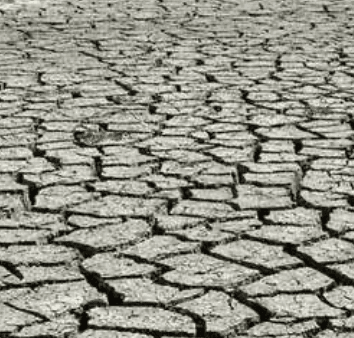
Recent U.S. Drought Monitor data valid August 18 show D4 exceptional drought covering about 1.1% of the contiguous U.S., concentrated in the Northern and Southern Plains (Nebraska, South Dakota, Oklahoma, Texas), portions of the Rockies and Intermountain West (Colorado, Wyoming, Idaho, Oregon), and scattered Southeast pockets. The Climate Prediction Center’s 6–10-day outlook for August 25–29 favors above-normal precipitation across the northern Eastern Seaboard and Great Lakes while projecting below-normal rainfall and above-normal temperatures over much of the Plains and Texas; these patterns, combined with ongoing soil-moisture deficits and limited monsoon relief in the Southwest, create uncertainty over whether D4 areas will contract below three states or persist across ten or more by the next weekly map. Model spread in short-term precipitation and evapotranspiration rates remains the dominant variable separating the closely matched market outcomes.
Resumen experimental generado por IA con datos de Polymarket. Esto no es asesoramiento de trading y no influye en cómo se resuelve este mercado. · ActualizadoHow many states will be in D4 (Exceptional Drought) — week of August 25, 2026?
How many states will be in D4 (Exceptional Drought) — week of August 25, 2026?
7-9 states 50%
3-4 states 49%
1-2 states 46%
0 states 44%
0 states
44%
1-2 states
46%
3-4 states
49%
5-6 states
43%
7-9 states
50%
10 or more states
44%
7-9 states 50%
3-4 states 49%
1-2 states 46%
0 states 44%
0 states
44%
1-2 states
46%
3-4 states
49%
5-6 states
43%
7-9 states
50%
10 or more states
44%
Brackets: 0 / 1-2 / 3-4 / 5-6 / 7-9 / 10+. Exactly one bracket resolves "Yes".
The count ranges over all 48 coterminous states — the 48 states excluding Alaska and Hawaii. The District of Columbia and U.S. territories are not considered.
Each USDM release covers the seven-day period ending Tuesday at 8:00 AM ET and is published the following Thursday.
Resolution is based on the first published US Drought Monitor release for the listed week. Subsequent revisions will not be considered; the first published release is final.
The resolution source for this market is the US Drought Monitor at droughtmonitor.unl.edu.
Mercado abierto: Aug 20, 2026, 9:00 AM ET
Fuente de resolución
https://droughtmonitor.unl.edu/DmData/DataTables.aspxResolver
0x69c47De9D...Brackets: 0 / 1-2 / 3-4 / 5-6 / 7-9 / 10+. Exactly one bracket resolves "Yes".
The count ranges over all 48 coterminous states — the 48 states excluding Alaska and Hawaii. The District of Columbia and U.S. territories are not considered.
Each USDM release covers the seven-day period ending Tuesday at 8:00 AM ET and is published the following Thursday.
Resolution is based on the first published US Drought Monitor release for the listed week. Subsequent revisions will not be considered; the first published release is final.
The resolution source for this market is the US Drought Monitor at droughtmonitor.unl.edu.
Fuente de resolución
https://droughtmonitor.unl.edu/DmData/DataTables.aspxResolver
0x69c47De9D...Recent U.S. Drought Monitor data valid August 18 show D4 exceptional drought covering about 1.1% of the contiguous U.S., concentrated in the Northern and Southern Plains (Nebraska, South Dakota, Oklahoma, Texas), portions of the Rockies and Intermountain West (Colorado, Wyoming, Idaho, Oregon), and scattered Southeast pockets. The Climate Prediction Center’s 6–10-day outlook for August 25–29 favors above-normal precipitation across the northern Eastern Seaboard and Great Lakes while projecting below-normal rainfall and above-normal temperatures over much of the Plains and Texas; these patterns, combined with ongoing soil-moisture deficits and limited monsoon relief in the Southwest, create uncertainty over whether D4 areas will contract below three states or persist across ten or more by the next weekly map. Model spread in short-term precipitation and evapotranspiration rates remains the dominant variable separating the closely matched market outcomes.
Resumen experimental generado por IA con datos de Polymarket. Esto no es asesoramiento de trading y no influye en cómo se resuelve este mercado. · Actualizado
Cuidado con los enlaces externos.
Cuidado con los enlaces externos.
Preguntas frecuentes