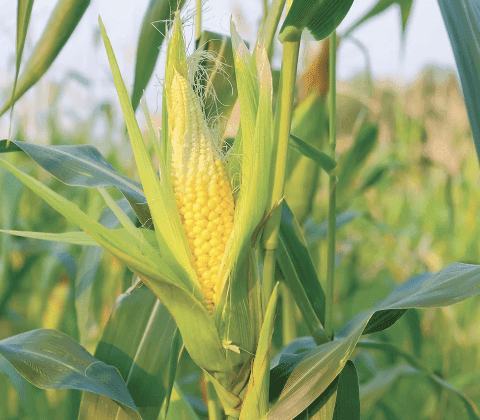
Recent U.S. Drought Monitor data through late August show approximately 28% of corn production area in moderate or worse drought (D1+), reflecting a split pattern where heavy mid-August rains eased conditions across the eastern Corn Belt while persistent high pressure and heat sustained or expanded dryness in the western and northern Plains. This has kept the figure within the 25–34% band despite broader national drought coverage near 48% and declining corn condition ratings to 57% good-to-excellent. Model guidance and seasonal outlooks indicate limited further expansion into core Midwest production zones ahead of the September 1 resolution week, supporting trader consensus around moderate rather than extreme or minimal drought exposure for the crop-weighted area.
Experimental AI-generated summary referencing Polymarket data. This is not trading advice and plays no role in how this market resolves. · UpdatedWhat percent of U.S. corn production area will be in drought? (week of September 1)
What percent of U.S. corn production area will be in drought? (week of September 1)
25% to 34% 80%
Under 25% 9%
35% to 49% 8%
50% or more 7.3%
Under 25%
9%
25% to 34%
80%
35% to 49%
8%
50% or more
7%
25% to 34% 80%
Under 25% 9%
35% to 49% 8%
50% or more 7.3%
Under 25%
9%
25% to 34%
80%
35% to 49%
8%
50% or more
7%
This market will resolve to the bracket containing the reported percentage for the U.S. Drought Monitor week of September 1, 2026. Each U.S. Drought Monitor release covers the seven-day period ending Tuesday at 8:00 AM ET and is published the following Thursday. The first value published for that week is final and will resolve this market independently of any later revisions or corrections.
If the source reports a value with decimals, it is rounded to the nearest whole number (a value of exactly 0.5 rounds up) before the bracket is selected. The brackets are inclusive of their stated endpoints and do not overlap.
If no value for the week of September 1, 2026 is published by September 10, 2026, 11:59 PM ET, this market will resolve based on the most recently published "D1-D4" value for corn production with an effective date on or before September 1, 2026.
Market Opened: Aug 25, 2026, 5:16 PM ET
Resolution Source
https://agindrought.unl.edu/Table.aspx?1Resolver
0x69c47De9D...This market will resolve to the bracket containing the reported percentage for the U.S. Drought Monitor week of September 1, 2026. Each U.S. Drought Monitor release covers the seven-day period ending Tuesday at 8:00 AM ET and is published the following Thursday. The first value published for that week is final and will resolve this market independently of any later revisions or corrections.
If the source reports a value with decimals, it is rounded to the nearest whole number (a value of exactly 0.5 rounds up) before the bracket is selected. The brackets are inclusive of their stated endpoints and do not overlap.
If no value for the week of September 1, 2026 is published by September 10, 2026, 11:59 PM ET, this market will resolve based on the most recently published "D1-D4" value for corn production with an effective date on or before September 1, 2026.
Resolution Source
https://agindrought.unl.edu/Table.aspx?1Resolver
0x69c47De9D...Recent U.S. Drought Monitor data through late August show approximately 28% of corn production area in moderate or worse drought (D1+), reflecting a split pattern where heavy mid-August rains eased conditions across the eastern Corn Belt while persistent high pressure and heat sustained or expanded dryness in the western and northern Plains. This has kept the figure within the 25–34% band despite broader national drought coverage near 48% and declining corn condition ratings to 57% good-to-excellent. Model guidance and seasonal outlooks indicate limited further expansion into core Midwest production zones ahead of the September 1 resolution week, supporting trader consensus around moderate rather than extreme or minimal drought exposure for the crop-weighted area.
Experimental AI-generated summary referencing Polymarket data. This is not trading advice and plays no role in how this market resolves. · Updated

Beware of external links.
Beware of external links.
Frequently Asked Questions