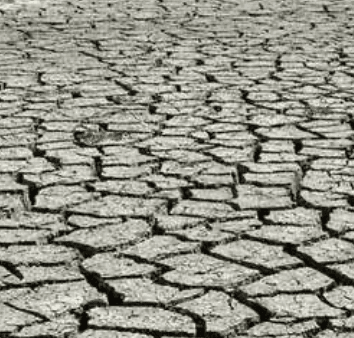
Persistent heat, below-average monsoon rainfall, and soil moisture deficits across the Intermountain West and Southern Plains have sustained pockets of D4 exceptional drought in states including Colorado, Nebraska, Idaho, Oregon, Oklahoma, Texas, and Arkansas according to the latest U.S. Drought Monitor analysis valid through mid-August. Recent heavy precipitation in parts of the Midwest and Central Plains has triggered localized improvements that could trim the count of affected states, while dry forecasts for the northern Plains and variable steering patterns keep expansion risks alive. With the next USDM release imminent and National Weather Service outlooks showing model spread on late-August rainfall totals, traders see near-even odds between 1–2 states versus higher counts as the primary uncertainty hinges on whether short-term relief prevents D4 persistence or new deficits push additional areas over the exceptional threshold.
Résumé expérimental généré par IA à partir des données Polymarket. Ceci n'est pas un conseil de trading et ne joue aucun rôle dans la résolution de ce marché. · Mis à jourHow many states will be in D4 (Exceptional Drought) — week of August 25, 2026?
How many states will be in D4 (Exceptional Drought) — week of August 25, 2026?
3-4 states 44%
1-2 states 44%
5-6 states 43%
7-9 states 43%
0 states
40%
1-2 states
44%
3-4 states
44%
5-6 states
43%
7-9 states
43%
10 or more states
40%
3-4 states 44%
1-2 states 44%
5-6 states 43%
7-9 states 43%
0 states
40%
1-2 states
44%
3-4 states
44%
5-6 states
43%
7-9 states
43%
10 or more states
40%
Brackets: 0 / 1-2 / 3-4 / 5-6 / 7-9 / 10+. Exactly one bracket resolves "Yes".
The count ranges over all 48 coterminous states — the 48 states excluding Alaska and Hawaii. The District of Columbia and U.S. territories are not considered.
Each USDM release covers the seven-day period ending Tuesday at 8:00 AM ET and is published the following Thursday.
Resolution is based on the first published US Drought Monitor release for the listed week. Subsequent revisions will not be considered; the first published release is final.
The resolution source for this market is the US Drought Monitor at droughtmonitor.unl.edu.
Marché ouvert : Aug 20, 2026, 9:00 AM ET
Source de résolution
https://droughtmonitor.unl.edu/DmData/DataTables.aspxResolver
0x69c47De9D...Brackets: 0 / 1-2 / 3-4 / 5-6 / 7-9 / 10+. Exactly one bracket resolves "Yes".
The count ranges over all 48 coterminous states — the 48 states excluding Alaska and Hawaii. The District of Columbia and U.S. territories are not considered.
Each USDM release covers the seven-day period ending Tuesday at 8:00 AM ET and is published the following Thursday.
Resolution is based on the first published US Drought Monitor release for the listed week. Subsequent revisions will not be considered; the first published release is final.
The resolution source for this market is the US Drought Monitor at droughtmonitor.unl.edu.
Source de résolution
https://droughtmonitor.unl.edu/DmData/DataTables.aspxResolver
0x69c47De9D...Persistent heat, below-average monsoon rainfall, and soil moisture deficits across the Intermountain West and Southern Plains have sustained pockets of D4 exceptional drought in states including Colorado, Nebraska, Idaho, Oregon, Oklahoma, Texas, and Arkansas according to the latest U.S. Drought Monitor analysis valid through mid-August. Recent heavy precipitation in parts of the Midwest and Central Plains has triggered localized improvements that could trim the count of affected states, while dry forecasts for the northern Plains and variable steering patterns keep expansion risks alive. With the next USDM release imminent and National Weather Service outlooks showing model spread on late-August rainfall totals, traders see near-even odds between 1–2 states versus higher counts as the primary uncertainty hinges on whether short-term relief prevents D4 persistence or new deficits push additional areas over the exceptional threshold.
Résumé expérimental généré par IA à partir des données Polymarket. Ceci n'est pas un conseil de trading et ne joue aucun rôle dans la résolution de ce marché. · Mis à jour
Méfiez-vous des liens externes.
Méfiez-vous des liens externes.
Questions fréquentes