
Donald Trump's public statements, often delivered via social media, have historically targeted political opponents, media outlets, and policy critics during periods of active campaigning or legislative debate. As of early August 2026, attention centers on the brief window to August 31 and any immediate catalysts such as midterm-related developments, executive actions, or responses to polling and news cycles that could prompt direct comments. The short timeframe heightens sensitivity to daily events, with outcomes shaped by Trump's established communication style rather than any single confirmed trigger. Trader consensus reflects this pattern of frequent, unscripted exchanges, tempered by the possibility that routine schedules or external restraint could limit new instances before resolution.
基于Polymarket数据的AI实验性摘要。这不是交易建议,也不影响该市场的结算方式。 · 更新于$16,513 交易量

巴拉克·奥巴马
95%

尼古拉斯·马杜罗
68%

玛乔丽·泰勒·格林
51%

吉米·坎摩尔
49%

坎迪斯·欧文斯
49%

梅根·凯利
49%

杰罗姆·鲍威尔
46%

Zohran Mamdani
29%

本雅明·内塔尼亚胡
18%

弗拉基米尔·普京
23%

安迪·伯纳姆
15%

埃马纽埃尔·马克龙
12%

诺拉·奥唐奈
8%

弗里德里希·梅尔茨
7%

埃隆·马斯克
7%
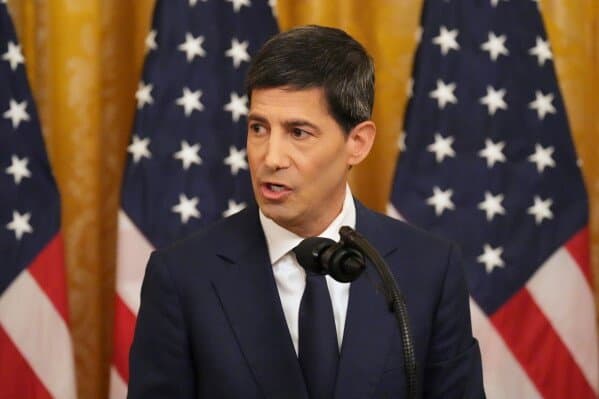
凯文·沃什
7%

教皇良十四世
6%

习近平
6%

维克多·欧尔班
5%

穆罕默德·本·萨勒曼
5%

帕姆·邦迪
3%

J.D.万斯
3%

梅拉尼娅·特朗普
1%

凯特兰·柯林斯
43%

塔克·卡尔森
54%

亚历克斯·琼斯
34%
$16,513 交易量
巴拉克·奥巴马
95%
尼古拉斯·马杜罗
68%
玛乔丽·泰勒·格林
51%
吉米·坎摩尔
49%
坎迪斯·欧文斯
49%
梅根·凯利
49%
杰罗姆·鲍威尔
46%
Zohran Mamdani
29%
本雅明·内塔尼亚胡
18%
弗拉基米尔·普京
23%
安迪·伯纳姆
15%
埃马纽埃尔·马克龙
12%
诺拉·奥唐奈
8%
弗里德里希·梅尔茨
7%
埃隆·马斯克
7%
凯文·沃什
7%
教皇良十四世
6%
习近平
6%
维克多·欧尔班
5%
穆罕默德·本·萨勒曼
5%
帕姆·邦迪
3%
J.D.万斯
3%
梅拉尼娅·特朗普
1%
凯特兰·柯林斯
43%
塔克·卡尔森
54%
亚历克斯·琼斯
34%
A public statement is any written, verbal, or recorded statement which is either made in a public setting, published by the speaker, or on the record to media, and the direct language of which is made publicly available. Statements made in private that are subsequently leaked will not qualify, even if credibly reported. Narrations and paraphrasings do not qualify.
Images and videos posted on verified social media accounts will only qualify if they contain insulting language clearly directed at the individual, whether within the content itself or in an accompanying caption. A quote post will only qualify if added language independently qualifies as an insult; a repost of another account's post will not qualify.
A public statement qualifies as an insult if it mocks, degrades, or disparages the individual either personally or professionally. This includes calling the individual a clearly insulting trait (e.g., weak, stupid, disloyal, a failure), using an insulting nickname (e.g., Crooked Hillary), using other clearly derogatory language, or using the negative form of a positive trait in a clearly derogatory manner (e.g., “He isn’t smart”, “He has no judgment”). Disparaging the individual in their professional capacity will qualify (e.g., "He is a disaster candidate," "He is terrible at his job"); however, negative comments directed at the individual's specific actions, policies, or decisions will not qualify (e.g., "He has bad policies," "He is wrong about healthcare").
A statement made in direct reference to the individual will qualify even if they are not named, so long as it is reasonably clear from context that they are the subject.
The resolution sources will be public statements made by Donald Trump and a consensus of credible reporting.
市场开放时间: Jul 31, 2026, 10:33 AM ET
Resolver
0x65070BE91...A public statement is any written, verbal, or recorded statement which is either made in a public setting, published by the speaker, or on the record to media, and the direct language of which is made publicly available. Statements made in private that are subsequently leaked will not qualify, even if credibly reported. Narrations and paraphrasings do not qualify.
Images and videos posted on verified social media accounts will only qualify if they contain insulting language clearly directed at the individual, whether within the content itself or in an accompanying caption. A quote post will only qualify if added language independently qualifies as an insult; a repost of another account's post will not qualify.
A public statement qualifies as an insult if it mocks, degrades, or disparages the individual either personally or professionally. This includes calling the individual a clearly insulting trait (e.g., weak, stupid, disloyal, a failure), using an insulting nickname (e.g., Crooked Hillary), using other clearly derogatory language, or using the negative form of a positive trait in a clearly derogatory manner (e.g., “He isn’t smart”, “He has no judgment”). Disparaging the individual in their professional capacity will qualify (e.g., "He is a disaster candidate," "He is terrible at his job"); however, negative comments directed at the individual's specific actions, policies, or decisions will not qualify (e.g., "He has bad policies," "He is wrong about healthcare").
A statement made in direct reference to the individual will qualify even if they are not named, so long as it is reasonably clear from context that they are the subject.
The resolution sources will be public statements made by Donald Trump and a consensus of credible reporting.
Resolver
0x65070BE91...Donald Trump's public statements, often delivered via social media, have historically targeted political opponents, media outlets, and policy critics during periods of active campaigning or legislative debate. As of early August 2026, attention centers on the brief window to August 31 and any immediate catalysts such as midterm-related developments, executive actions, or responses to polling and news cycles that could prompt direct comments. The short timeframe heightens sensitivity to daily events, with outcomes shaped by Trump's established communication style rather than any single confirmed trigger. Trader consensus reflects this pattern of frequent, unscripted exchanges, tempered by the possibility that routine schedules or external restraint could limit new instances before resolution.
基于Polymarket数据的AI实验性摘要。这不是交易建议,也不影响该市场的结算方式。 · 更新于

警惕外部链接哦。
警惕外部链接哦。
常见问题