icon for 気候時計の1.5°Cの締め切りは...までに変更されますか?

気候時計の1.5°Cの締め切りは...までに変更されますか?

icon for 気候時計の1.5°Cの締め切りは...までに変更されますか?

気候時計の1.5°Cの締め切りは...までに変更されますか?

10% 確率
Polymarket

$12,623 Vol.

10% 確率
Polymarket

$12,623 Vol.

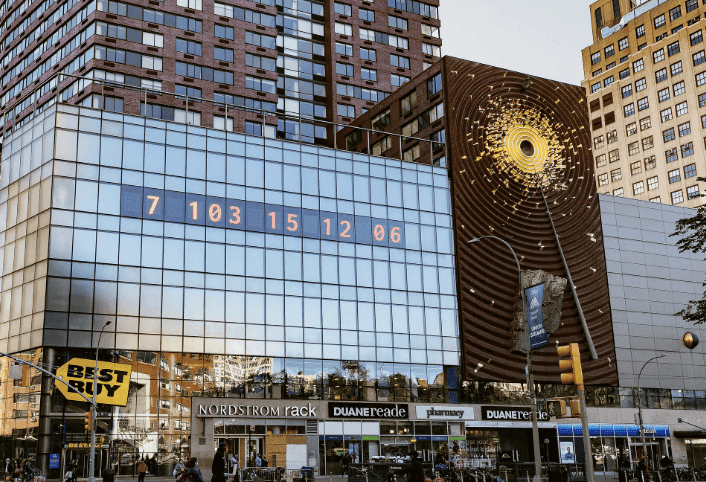
Each market asks whether the “Deadline” to limit global warming to 1.5°C shown by the Climate Clock (https://climateclock.world) will change before that market's listed date. A market resolves to “Yes” if, at any point on or before its listed date, 11:59 PM ET, the Climate Clock's published 1.5°C Deadline is more than 30 days earlier or more than 30 days later than July 22, 2029. Otherwise, that market resolves to “No”. The Climate Clock's 1.5°C Deadline is published as a machine-readable timestamp in its public data feed at https://api.climateclock.world/v2/clock.json (the “timestamp” value of the carbon-deadline module), which is the same target the on-site countdown at https://climateclock.world displays. As of this market's creation, that Deadline is July 22, 2029 (timestamp 2029-07-22T16:00:00+00:00). The ordinary second-by-second ticking of the countdown toward the Deadline does not constitute a change; only a change to the published Deadline date itself qualifies. Because a qualifying change is permanent once published, every market with a listed date on or after the change will resolve “Yes”, and markets whose listed date has already passed without a qualifying change will have resolved “No”. If the Climate Clock and its public data feed both become permanently unavailable before a qualifying change is published, all unresolved markets will resolve to “No”.Strong trader consensus around a 90.5% implied probability of no change to the Climate Clock's July 22, 2029 deadline by year-end 2026 stems primarily from the clock's reliance on stable carbon budget estimates anchored to IPCC AR6 and Global Carbon Project data, combined with its infrequent revision cadence. Annual or quarterly updates adjust for recent emissions trends near 40–42 GtCO₂, but these rarely shift the deadline by more than 30 days without major new scientific inputs. No IPCC assessment or comprehensive budget recalculation is scheduled before late 2026, and current observational data show steady rather than abrupt emissions trajectories. A realistic challenge could arise from an unforeseen large-scale mitigation breakthrough or a peer-reviewed revision to remaining budgets that prompts an immediate model reset.

Each market asks whether the “Deadline” to limit global warming to 1.5°C shown by the Climate Clock (https://climateclock.world) will change before that market's listed date.

A market resolves to “Yes” if, at any point on or before its listed date, 11:59 PM ET, the Climate Clock's published 1.5°C Deadline is more than 30 days earlier or more than 30 days later than July 22, 2029. Otherwise, that market resolves to “No”.

The Climate Clock's 1.5°C Deadline is published as a machine-readable timestamp in its public data feed at https://api.climateclock.world/v2/clock.json (the “timestamp” value of the carbon-deadline module), which is the same target the on-site countdown at https://climateclock.world displays. As of this market's creation, that Deadline is July 22, 2029 (timestamp 2029-07-22T16:00:00+00:00). The ordinary second-by-second ticking of the countdown toward the Deadline does not constitute a change; only a change to the published Deadline date itself qualifies.

Because a qualifying change is permanent once published, every market with a listed date on or after the change will resolve “Yes”, and markets whose listed date has already passed without a qualifying change will have resolved “No”. If the Climate Clock and its public data feed both become permanently unavailable before a qualifying change is published, all unresolved markets will resolve to “No”.
音量
$12,623
終了日
2029/12/31
マーケット開始日
Aug 19, 2026, 6:40 PM ET
Each market asks whether the “Deadline” to limit global warming to 1.5°C shown by the Climate Clock (https://climateclock.world) will change before that market's listed date. A market resolves to “Yes” if, at any point on or before its listed date, 11:59 PM ET, the Climate Clock's published 1.5°C Deadline is more than 30 days earlier or more than 30 days later than July 22, 2029. Otherwise, that market resolves to “No”. The Climate Clock's 1.5°C Deadline is published as a machine-readable timestamp in its public data feed at https://api.climateclock.world/v2/clock.json (the “timestamp” value of the carbon-deadline module), which is the same target the on-site countdown at https://climateclock.world displays. As of this market's creation, that Deadline is July 22, 2029 (timestamp 2029-07-22T16:00:00+00:00). The ordinary second-by-second ticking of the countdown toward the Deadline does not constitute a change; only a change to the published Deadline date itself qualifies. Because a qualifying change is permanent once published, every market with a listed date on or after the change will resolve “Yes”, and markets whose listed date has already passed without a qualifying change will have resolved “No”. If the Climate Clock and its public data feed both become permanently unavailable before a qualifying change is published, all unresolved markets will resolve to “No”.
Each market asks whether the “Deadline” to limit global warming to 1.5°C shown by the Climate Clock (https://climateclock.world) will change before that market's listed date. A market resolves to “Yes” if, at any point on or before its listed date, 11:59 PM ET, the Climate Clock's published 1.5°C Deadline is more than 30 days earlier or more than 30 days later than July 22, 2029. Otherwise, that market resolves to “No”. The Climate Clock's 1.5°C Deadline is published as a machine-readable timestamp in its public data feed at https://api.climateclock.world/v2/clock.json (the “timestamp” value of the carbon-deadline module), which is the same target the on-site countdown at https://climateclock.world displays. As of this market's creation, that Deadline is July 22, 2029 (timestamp 2029-07-22T16:00:00+00:00). The ordinary second-by-second ticking of the countdown toward the Deadline does not constitute a change; only a change to the published Deadline date itself qualifies. Because a qualifying change is permanent once published, every market with a listed date on or after the change will resolve “Yes”, and markets whose listed date has already passed without a qualifying change will have resolved “No”. If the Climate Clock and its public data feed both become permanently unavailable before a qualifying change is published, all unresolved markets will resolve to “No”.Strong trader consensus around a 90.5% implied probability of no change to the Climate Clock's July 22, 2029 deadline by year-end 2026 stems primarily from the clock's reliance on stable carbon budget estimates anchored to IPCC AR6 and Global Carbon Project data, combined with its infrequent revision cadence. Annual or quarterly updates adjust for recent emissions trends near 40–42 GtCO₂, but these rarely shift the deadline by more than 30 days without major new scientific inputs. No IPCC assessment or comprehensive budget recalculation is scheduled before late 2026, and current observational data show steady rather than abrupt emissions trajectories. A realistic challenge could arise from an unforeseen large-scale mitigation breakthrough or a peer-reviewed revision to remaining budgets that prompts an immediate model reset.

Each market asks whether the “Deadline” to limit global warming to 1.5°C shown by the Climate Clock (https://climateclock.world) will change before that market's listed date.

A market resolves to “Yes” if, at any point on or before its listed date, 11:59 PM ET, the Climate Clock's published 1.5°C Deadline is more than 30 days earlier or more than 30 days later than July 22, 2029. Otherwise, that market resolves to “No”.

The Climate Clock's 1.5°C Deadline is published as a machine-readable timestamp in its public data feed at https://api.climateclock.world/v2/clock.json (the “timestamp” value of the carbon-deadline module), which is the same target the on-site countdown at https://climateclock.world displays. As of this market's creation, that Deadline is July 22, 2029 (timestamp 2029-07-22T16:00:00+00:00). The ordinary second-by-second ticking of the countdown toward the Deadline does not constitute a change; only a change to the published Deadline date itself qualifies.

Because a qualifying change is permanent once published, every market with a listed date on or after the change will resolve “Yes”, and markets whose listed date has already passed without a qualifying change will have resolved “No”. If the Climate Clock and its public data feed both become permanently unavailable before a qualifying change is published, all unresolved markets will resolve to “No”.
音量
$12,623
終了日
2027/01/01
マーケット開始日
Aug 19, 2026, 6:40 PM ET
Each market asks whether the “Deadline” to limit global warming to 1.5°C shown by the Climate Clock (https://climateclock.world) will change before that market's listed date. A market resolves to “Yes” if, at any point on or before its listed date, 11:59 PM ET, the Climate Clock's published 1.5°C Deadline is more than 30 days earlier or more than 30 days later than July 22, 2029. Otherwise, that market resolves to “No”. The Climate Clock's 1.5°C Deadline is published as a machine-readable timestamp in its public data feed at https://api.climateclock.world/v2/clock.json (the “timestamp” value of the carbon-deadline module), which is the same target the on-site countdown at https://climateclock.world displays. As of this market's creation, that Deadline is July 22, 2029 (timestamp 2029-07-22T16:00:00+00:00). The ordinary second-by-second ticking of the countdown toward the Deadline does not constitute a change; only a change to the published Deadline date itself qualifies. Because a qualifying change is permanent once published, every market with a listed date on or after the change will resolve “Yes”, and markets whose listed date has already passed without a qualifying change will have resolved “No”. If the Climate Clock and its public data feed both become permanently unavailable before a qualifying change is published, all unresolved markets will resolve to “No”.

外部リンクに注意してください。

よくある質問

「気候時計の1.5°Cの締め切りは...までに変更されますか?」はPolymarket上の予測市場で、トレーダーがこのイベントが起こるかどうかに基づいて「はい」または「いいえ」のシェアを売買します。コミュニティによる現在の確率は「Yes」に対して10%です。例えば、「はい」が10¢で取引されている場合、市場はこのイベントが発生する確率を10%と集合的に評価しています。これらのオッズはトレーダーが新しい展開や情報に反応するにつれて継続的に変化します。正しい結果のシェアは市場決済時に各$1で引き換え可能です。

本日現在、「気候時計の1.5°Cの締め切りは...までに変更されますか?」は$12.6Kの総取引量を生み出しています(Aug 19, 2026のマーケット開始以来)。この取引活動レベルはPolymarketコミュニティの強い関与を反映し、現在のオッズが幅広い市場参加者によって形成されていることを保証します。このページで直接、ライブの価格変動を追跡し、任意の結果で取引できます。

「気候時計の1.5°Cの締め切りは...までに変更されますか?」で取引するには、答えが「はい」か「いいえ」かを選ぶだけです。各側には市場の暗示確率を反映する現在の価格があります。金額を入力して「取引」をクリックします。「はい」のシェアを購入し、結果が「はい」と決まった場合、各シェアは$1を支払います。「いいえ」と決まった場合、「はい」のシェアは$0を支払います。決済前にいつでもシェアを売却して利益を確定したり、損失を抑えたりすることもできます。

「気候時計の1.5°Cの締め切りは...までに変更されますか?」の現在の確率は「Yes」に対して10%です。これはPolymarketコミュニティがこのイベントの発生確率を10%と現在評価していることを意味します。これらのオッズは実際の取引に基づいてリアルタイムで更新され、市場の期待を継続的に反映するシグナルを提供します。

「気候時計の1.5°Cの締め切りは...までに変更されますか?」の決済ルールは、各結果が勝者と宣言されるために何が起こる必要があるかを正確に定義しています。これには結果を決定するために使用される公式データソースも含まれます。このページのコメント上にある「ルール」セクションで完全な決済基準を確認できます。取引前にルールを注意深く読むことをお勧めします。