
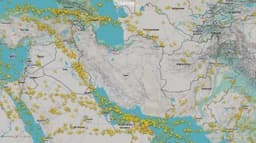
Ongoing US-Iran-Israel military tensions and a fragile April 2026 ceasefire extended through mid-June drive expectations for potential Iranian airspace restrictions, with EASA maintaining conflict-zone advisories for the Tehran FIR through at least September 30 due to air-defense risks and Strait of Hormuz activity. Temporary western-sector closures and nationwide flight suspensions occurred in June amid missile exchanges, followed by partial eastern reopenings, though full broad closures remain limited. Renewed July hostilities further elevated regional threats, while Iranian authorities have historically implemented targeted NOTAMs during escalations. Traders assess probabilities based on escalation signals, diplomatic developments, and the timing of any sustained, non-weather-related suspension across major FIR segments.
基於Polymarket數據的AI實驗性摘要。這不是交易建議,也不影響該市場的結算方式。 · 更新於伊朗在...前全面關閉領空?
伊朗在...前全面關閉領空?
$9,315,028 交易量
9月30日
11%
12月31日
29%
$9,315,028 交易量
9月30日
11%
12月31日
29%
A “general closure” refers to a cancellation or suspension of aviation which is generally applicable to all commercial flights transiting Iranian airspace (“Tehran FIR”). A qualifying closure must apply generally to all of Iran or the Tehran FIR; limited cancellations, delays, or partial closures will not qualify. A closure which applies generally to commercial aviation across Iranian airspace, with limited exceptions for certain categories of flights, however, will qualify (e.g. exceptions for certain flights pre-approved by the Iranian Civil Aviation Authority may be permitted).
Qualifying previous examples include the February 28, 2026 total closure of Iranian airspace (https://www.iranintl.com/en/202602289115) and the January 2026 total closure of Iranian airspace except to international flights with express governmental permission (https://www.reuters.com/world/middle-east/iran-shuts-airspace-most-flights-flightradar24-says-2026-01-14/). Non-qualifying examples include the January 27, 2026 partial closure of Iranian airspace around the Strait of Hormuz (https://www.aa.com.tr/en/middle-east/iran-issues-airspace-notice-for-military-drills-near-strait-of-hormuz/3812508), the April 2024 closure of Iran’s western airspace (https://www.reuters.com/world/middle-east/iranian-airports-cancel-flights-until-monday-morning-2024-04-14/), and the January 25 - April 25, 2026 VFR (Visual Flight Rules) flights suspension which did not broadly close commercial aviation in Iran (https://www.intellinews.com/iran-suspends-general-aviation-and-vfr-flights-in-new-airspace-directive-421997/).
Warnings, No-Fly-Zones, or other flight restrictions imposed by airlines or countries other than Iran will not be sufficient for a “Yes” resolution.
Airspace closures which occur solely due to weather conditions, earthquakes, or volcanic eruptions, will not qualify.
The primary resolution sources for this market will be official information from Iranian aviation authorities and a consensus of credible reporting.
市場開放時間: Jul 27, 2026, 1:36 PM ET
A “general closure” refers to a cancellation or suspension of aviation which is generally applicable to all commercial flights transiting Iranian airspace (“Tehran FIR”). A qualifying closure must apply generally to all of Iran or the Tehran FIR; limited cancellations, delays, or partial closures will not qualify. A closure which applies generally to commercial aviation across Iranian airspace, with limited exceptions for certain categories of flights, however, will qualify (e.g. exceptions for certain flights pre-approved by the Iranian Civil Aviation Authority may be permitted).
Qualifying previous examples include the February 28, 2026 total closure of Iranian airspace (https://www.iranintl.com/en/202602289115) and the January 2026 total closure of Iranian airspace except to international flights with express governmental permission (https://www.reuters.com/world/middle-east/iran-shuts-airspace-most-flights-flightradar24-says-2026-01-14/). Non-qualifying examples include the January 27, 2026 partial closure of Iranian airspace around the Strait of Hormuz (https://www.aa.com.tr/en/middle-east/iran-issues-airspace-notice-for-military-drills-near-strait-of-hormuz/3812508), the April 2024 closure of Iran’s western airspace (https://www.reuters.com/world/middle-east/iranian-airports-cancel-flights-until-monday-morning-2024-04-14/), and the January 25 - April 25, 2026 VFR (Visual Flight Rules) flights suspension which did not broadly close commercial aviation in Iran (https://www.intellinews.com/iran-suspends-general-aviation-and-vfr-flights-in-new-airspace-directive-421997/).
Warnings, No-Fly-Zones, or other flight restrictions imposed by airlines or countries other than Iran will not be sufficient for a “Yes” resolution.
Airspace closures which occur solely due to weather conditions, earthquakes, or volcanic eruptions, will not qualify.
The primary resolution sources for this market will be official information from Iranian aviation authorities and a consensus of credible reporting.
Ongoing US-Iran-Israel military tensions and a fragile April 2026 ceasefire extended through mid-June drive expectations for potential Iranian airspace restrictions, with EASA maintaining conflict-zone advisories for the Tehran FIR through at least September 30 due to air-defense risks and Strait of Hormuz activity. Temporary western-sector closures and nationwide flight suspensions occurred in June amid missile exchanges, followed by partial eastern reopenings, though full broad closures remain limited. Renewed July hostilities further elevated regional threats, while Iranian authorities have historically implemented targeted NOTAMs during escalations. Traders assess probabilities based on escalation signals, diplomatic developments, and the timing of any sustained, non-weather-related suspension across major FIR segments.
基於Polymarket數據的AI實驗性摘要。這不是交易建議,也不影響該市場的結算方式。 · 更新於

警惕外部連結哦。
警惕外部連結哦。
Frequently Asked Questions