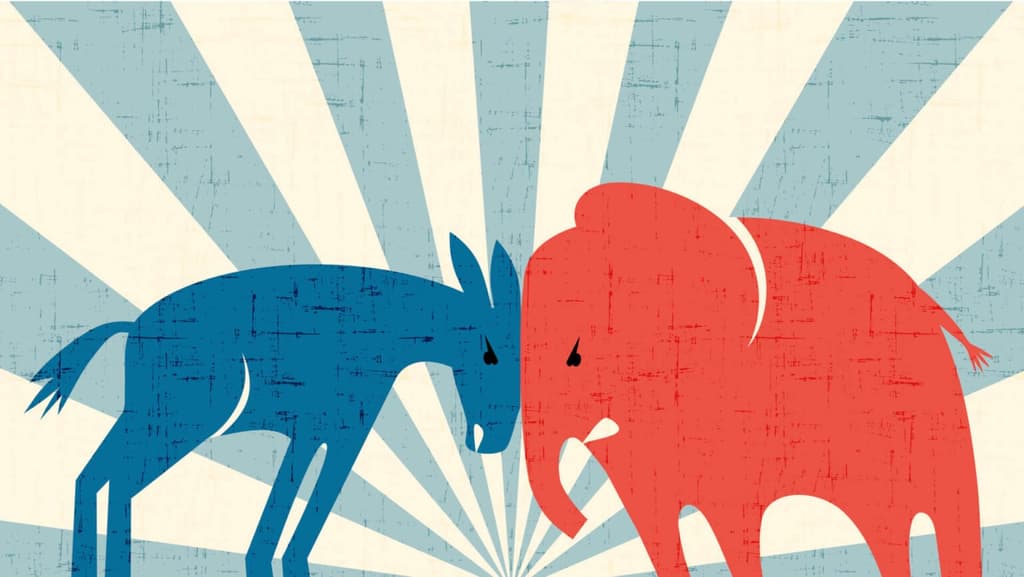
Recent primary outcomes and updated nonpartisan race ratings have strengthened Democratic positioning in several competitive 2026 gubernatorial contests, particularly in battleground states with open seats or vulnerable Republican-held offices. With 36 races on the November ballot and a near-even starting split of 26 Republican and 24 Democratic governorships, traders see structural advantages for Democrats in key defenses and potential flips that support their 52.5% implied probability of holding the most seats afterward. Republican prospects remain constrained by the map and recent candidate selections, while the 14.5% chance of an exact tie reflects the narrow overall balance and sensitivity to a handful of close results. Scheduled general-election developments through fall will continue to shape these trader assessments.
Экспериментальная сводка, созданная ИИ на основе данных Polymarket. Это не является торговой рекомендацией и не влияет на то, как разрешается этот рынок. · ОбновленоКакая партия будет занимать больше губернаторских постов после промежуточных выборов?
Какая партия будет занимать больше губернаторских постов после промежуточных выборов?
Демократическая партия 53%
Республиканская партия 34%
Ничья 15%

Республиканская партия
34%

Демократическая партия
53%
Ничья
15%
Демократическая партия 53%
Республиканская партия 34%
Ничья 15%
Республиканская партия
34%
Демократическая партия
53%
Ничья
15%
This market will resolve according to the party, between the Republican Party and the Democratic Party, that holds the most US governor seats as a result of the 2026 midterm elections.
If the Republican Party and the Democratic Party hold the same number of governor seats as a result of the 2026 midterm elections, this market will resolve to “Tie”.
This market will resolve based on the results of all gubernatorial elections, including special elections, that are scheduled to occur in November 2026 as of October 31, 2026. If a required runoff for any such election could change the market’s outcome, the market will remain open until that runoff is conclusively called by this market’s resolution sources.
For governor seats contested in the specified election, seats are attributed to the party under which the governor was elected. If a governor-elect changes party affiliation, or vacates their seat, after election day, the seat is attributed to the party under which the individual was elected.
For seats not contested in the specified election, seats are attributed to the party that holds the seat as of the date of the election. If a current governor who is not up for election changes party affiliation or vacates their seat after the date of the election, the seat is attributed to the party under which the governor was affiliated at the time of the election.
If a governorship is vacant but a corresponding election will not be held in November 2026, that seat will be considered held by the party of the seat's most recent incumbent.
The resolution sources for this market will be official information from relevant state electoral authorities, and a consensus of credible reporting.
Открытие рынка: Aug 18, 2026, 3:27 PM ET
Resolver
0x69c47De9D...This market will resolve according to the party, between the Republican Party and the Democratic Party, that holds the most US governor seats as a result of the 2026 midterm elections.
If the Republican Party and the Democratic Party hold the same number of governor seats as a result of the 2026 midterm elections, this market will resolve to “Tie”.
This market will resolve based on the results of all gubernatorial elections, including special elections, that are scheduled to occur in November 2026 as of October 31, 2026. If a required runoff for any such election could change the market’s outcome, the market will remain open until that runoff is conclusively called by this market’s resolution sources.
For governor seats contested in the specified election, seats are attributed to the party under which the governor was elected. If a governor-elect changes party affiliation, or vacates their seat, after election day, the seat is attributed to the party under which the individual was elected.
For seats not contested in the specified election, seats are attributed to the party that holds the seat as of the date of the election. If a current governor who is not up for election changes party affiliation or vacates their seat after the date of the election, the seat is attributed to the party under which the governor was affiliated at the time of the election.
If a governorship is vacant but a corresponding election will not be held in November 2026, that seat will be considered held by the party of the seat's most recent incumbent.
The resolution sources for this market will be official information from relevant state electoral authorities, and a consensus of credible reporting.
Resolver
0x69c47De9D...Recent primary outcomes and updated nonpartisan race ratings have strengthened Democratic positioning in several competitive 2026 gubernatorial contests, particularly in battleground states with open seats or vulnerable Republican-held offices. With 36 races on the November ballot and a near-even starting split of 26 Republican and 24 Democratic governorships, traders see structural advantages for Democrats in key defenses and potential flips that support their 52.5% implied probability of holding the most seats afterward. Republican prospects remain constrained by the map and recent candidate selections, while the 14.5% chance of an exact tie reflects the narrow overall balance and sensitivity to a handful of close results. Scheduled general-election developments through fall will continue to shape these trader assessments.
Экспериментальная сводка, созданная ИИ на основе данных Polymarket. Это не является торговой рекомендацией и не влияет на то, как разрешается этот рынок. · Обновлено


Не доверяй внешним ссылкам.
Не доверяй внешним ссылкам.
Часто задаваемые вопросы