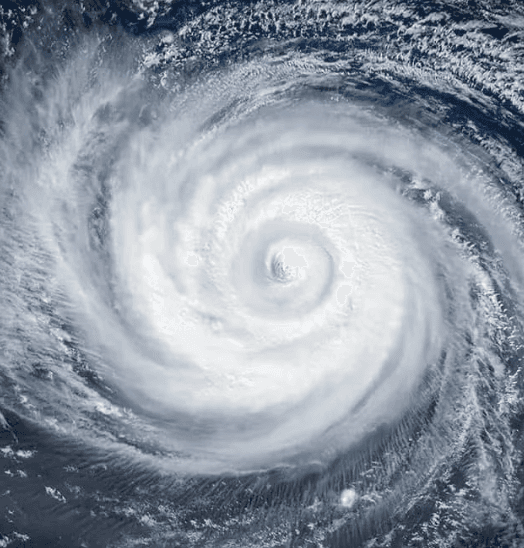
The subdued 2026 Atlantic hurricane season, with only two early tropical storms and no hurricanes formed to date, underpins the 87.5% market-implied probability against a U.S. landfall in August. NOAA’s August update maintains a below-normal outlook of 7–13 named storms, 2–6 hurricanes, and 0–2 major hurricanes for the full season, reflecting persistent El Niño influences and reduced atmospheric conditions favorable for intensification. As of August 8, the National Hurricane Center reports no active tropical cyclones in the Atlantic basin, with peak-season steering patterns and model consensus showing limited development potential before month-end. This aligns with climatological baselines where early-August activity rarely produces U.S. impacts without rapid organization, though short-term forecast updates could still introduce variability.
Ringkasan eksperimental yang dihasilkan AI dengan referensi data Polymarket. Ini bukan saran trading dan tidak berperan dalam bagaimana pasar ini diselesaikan. · DiperbaruiWill a hurricane make landfall in the US in August?
Will a hurricane make landfall in the US in August?
A hurricane is a tropical cyclone with maximum sustained winds of 74 mph or greater (Category 1 or higher on the Saffir-Simpson Hurricane Wind Scale), as described at https://www.nhc.noaa.gov/aboutsshws.php, and a hurricane landfall is said to occur when the hurricane's surface center intersects with the coastline, as described at https://www.nhc.noaa.gov/aboutgloss.shtml#LANDFALL. A storm must hold hurricane strength (Category 1 or higher on the Saffir-Simpson scale) at the moment its surface center intersects the coastline for that landfall to qualify.
This market may resolve based on the initial NHC advisory reporting a qualifying landfall regardless of any later advisory, retraction, best-track revision, or reanalysis that revises that storm's intensity downward at the time of landfall. However, if a subsequent advisory or correction identifies a qualifying landfall that was not reflected in initial reporting, that landfall will be added.
Pasar Dibuka: Jul 30, 2026, 2:36 PM ET
Resolver
0x65070BE91...A hurricane is a tropical cyclone with maximum sustained winds of 74 mph or greater (Category 1 or higher on the Saffir-Simpson Hurricane Wind Scale), as described at https://www.nhc.noaa.gov/aboutsshws.php, and a hurricane landfall is said to occur when the hurricane's surface center intersects with the coastline, as described at https://www.nhc.noaa.gov/aboutgloss.shtml#LANDFALL. A storm must hold hurricane strength (Category 1 or higher on the Saffir-Simpson scale) at the moment its surface center intersects the coastline for that landfall to qualify.
This market may resolve based on the initial NHC advisory reporting a qualifying landfall regardless of any later advisory, retraction, best-track revision, or reanalysis that revises that storm's intensity downward at the time of landfall. However, if a subsequent advisory or correction identifies a qualifying landfall that was not reflected in initial reporting, that landfall will be added.
Resolver
0x65070BE91...The subdued 2026 Atlantic hurricane season, with only two early tropical storms and no hurricanes formed to date, underpins the 87.5% market-implied probability against a U.S. landfall in August. NOAA’s August update maintains a below-normal outlook of 7–13 named storms, 2–6 hurricanes, and 0–2 major hurricanes for the full season, reflecting persistent El Niño influences and reduced atmospheric conditions favorable for intensification. As of August 8, the National Hurricane Center reports no active tropical cyclones in the Atlantic basin, with peak-season steering patterns and model consensus showing limited development potential before month-end. This aligns with climatological baselines where early-August activity rarely produces U.S. impacts without rapid organization, though short-term forecast updates could still introduce variability.
Ringkasan eksperimental yang dihasilkan AI dengan referensi data Polymarket. Ini bukan saran trading dan tidak berperan dalam bagaimana pasar ini diselesaikan. · Diperbarui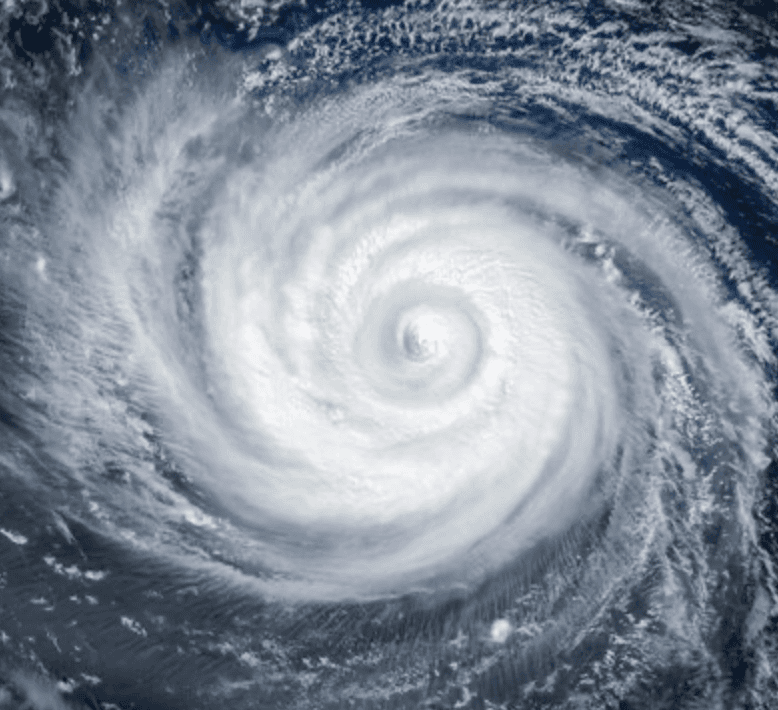


Hati-hati dengan link eksternal.
Hati-hati dengan link eksternal.
Pertanyaan yang Sering Diajukan