icon for क्या जलवायु घड़ी की 1.5 डिग्री सेल्सियस की समय सीमा... तक बदल जाएगी?

क्या जलवायु घड़ी की 1.5 डिग्री सेल्सियस की समय सीमा... तक बदल जाएगी?

icon for क्या जलवायु घड़ी की 1.5 डिग्री सेल्सियस की समय सीमा... तक बदल जाएगी?

क्या जलवायु घड़ी की 1.5 डिग्री सेल्सियस की समय सीमा... तक बदल जाएगी?

10% संभावना
Polymarket

$12,623 वॉल्यूम

10% संभावना
Polymarket

$12,623 वॉल्यूम

Each market asks whether the “Deadline” to limit global warming to 1.5°C shown by the Climate Clock (https://climateclock.world) will change before that market's listed date. A market resolves to “Yes” if, at any point on or before its listed date, 11:59 PM ET, the Climate Clock's published 1.5°C Deadline is more than 30 days earlier or more than 30 days later than July 22, 2029. Otherwise, that market resolves to “No”. The Climate Clock's 1.5°C Deadline is published as a machine-readable timestamp in its public data feed at https://api.climateclock.world/v2/clock.json (the “timestamp” value of the carbon-deadline module), which is the same target the on-site countdown at https://climateclock.world displays. As of this market's creation, that Deadline is July 22, 2029 (timestamp 2029-07-22T16:00:00+00:00). The ordinary second-by-second ticking of the countdown toward the Deadline does not constitute a change; only a change to the published Deadline date itself qualifies. Because a qualifying change is permanent once published, every market with a listed date on or after the change will resolve “Yes”, and markets whose listed date has already passed without a qualifying change will have resolved “No”. If the Climate Clock and its public data feed both become permanently unavailable before a qualifying change is published, all unresolved markets will resolve to “No”.Strong trader consensus around a 90.5% implied probability of no change to the Climate Clock's July 22, 2029 deadline by year-end 2026 stems primarily from the clock's reliance on stable carbon budget estimates anchored to IPCC AR6 and Global Carbon Project data, combined with its infrequent revision cadence. Annual or quarterly updates adjust for recent emissions trends near 40–42 GtCO₂, but these rarely shift the deadline by more than 30 days without major new scientific inputs. No IPCC assessment or comprehensive budget recalculation is scheduled before late 2026, and current observational data show steady rather than abrupt emissions trajectories. A realistic challenge could arise from an unforeseen large-scale mitigation breakthrough or a peer-reviewed revision to remaining budgets that prompts an immediate model reset.

Each market asks whether the “Deadline” to limit global warming to 1.5°C shown by the Climate Clock (https://climateclock.world) will change before that market's listed date.

A market resolves to “Yes” if, at any point on or before its listed date, 11:59 PM ET, the Climate Clock's published 1.5°C Deadline is more than 30 days earlier or more than 30 days later than July 22, 2029. Otherwise, that market resolves to “No”.

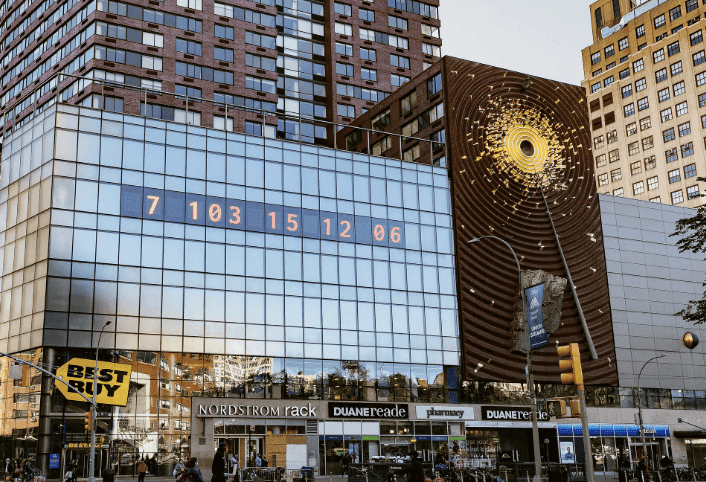
The Climate Clock's 1.5°C Deadline is published as a machine-readable timestamp in its public data feed at https://api.climateclock.world/v2/clock.json (the “timestamp” value of the carbon-deadline module), which is the same target the on-site countdown at https://climateclock.world displays. As of this market's creation, that Deadline is July 22, 2029 (timestamp 2029-07-22T16:00:00+00:00). The ordinary second-by-second ticking of the countdown toward the Deadline does not constitute a change; only a change to the published Deadline date itself qualifies.

Because a qualifying change is permanent once published, every market with a listed date on or after the change will resolve “Yes”, and markets whose listed date has already passed without a qualifying change will have resolved “No”. If the Climate Clock and its public data feed both become permanently unavailable before a qualifying change is published, all unresolved markets will resolve to “No”.
वॉल्यूम
$12,623
समाप्ति तिथि
31 दिस, 2029
बाज़ार खुला
Aug 19, 2026, 6:40 PM ET

समाधान स्रोत

https://climateclock.world
Each market asks whether the “Deadline” to limit global warming to 1.5°C shown by the Climate Clock (https://climateclock.world) will change before that market's listed date. A market resolves to “Yes” if, at any point on or before its listed date, 11:59 PM ET, the Climate Clock's published 1.5°C Deadline is more than 30 days earlier or more than 30 days later than July 22, 2029. Otherwise, that market resolves to “No”. The Climate Clock's 1.5°C Deadline is published as a machine-readable timestamp in its public data feed at https://api.climateclock.world/v2/clock.json (the “timestamp” value of the carbon-deadline module), which is the same target the on-site countdown at https://climateclock.world displays. As of this market's creation, that Deadline is July 22, 2029 (timestamp 2029-07-22T16:00:00+00:00). The ordinary second-by-second ticking of the countdown toward the Deadline does not constitute a change; only a change to the published Deadline date itself qualifies. Because a qualifying change is permanent once published, every market with a listed date on or after the change will resolve “Yes”, and markets whose listed date has already passed without a qualifying change will have resolved “No”. If the Climate Clock and its public data feed both become permanently unavailable before a qualifying change is published, all unresolved markets will resolve to “No”.
Each market asks whether the “Deadline” to limit global warming to 1.5°C shown by the Climate Clock (https://climateclock.world) will change before that market's listed date. A market resolves to “Yes” if, at any point on or before its listed date, 11:59 PM ET, the Climate Clock's published 1.5°C Deadline is more than 30 days earlier or more than 30 days later than July 22, 2029. Otherwise, that market resolves to “No”. The Climate Clock's 1.5°C Deadline is published as a machine-readable timestamp in its public data feed at https://api.climateclock.world/v2/clock.json (the “timestamp” value of the carbon-deadline module), which is the same target the on-site countdown at https://climateclock.world displays. As of this market's creation, that Deadline is July 22, 2029 (timestamp 2029-07-22T16:00:00+00:00). The ordinary second-by-second ticking of the countdown toward the Deadline does not constitute a change; only a change to the published Deadline date itself qualifies. Because a qualifying change is permanent once published, every market with a listed date on or after the change will resolve “Yes”, and markets whose listed date has already passed without a qualifying change will have resolved “No”. If the Climate Clock and its public data feed both become permanently unavailable before a qualifying change is published, all unresolved markets will resolve to “No”.Strong trader consensus around a 90.5% implied probability of no change to the Climate Clock's July 22, 2029 deadline by year-end 2026 stems primarily from the clock's reliance on stable carbon budget estimates anchored to IPCC AR6 and Global Carbon Project data, combined with its infrequent revision cadence. Annual or quarterly updates adjust for recent emissions trends near 40–42 GtCO₂, but these rarely shift the deadline by more than 30 days without major new scientific inputs. No IPCC assessment or comprehensive budget recalculation is scheduled before late 2026, and current observational data show steady rather than abrupt emissions trajectories. A realistic challenge could arise from an unforeseen large-scale mitigation breakthrough or a peer-reviewed revision to remaining budgets that prompts an immediate model reset.

Each market asks whether the “Deadline” to limit global warming to 1.5°C shown by the Climate Clock (https://climateclock.world) will change before that market's listed date.

A market resolves to “Yes” if, at any point on or before its listed date, 11:59 PM ET, the Climate Clock's published 1.5°C Deadline is more than 30 days earlier or more than 30 days later than July 22, 2029. Otherwise, that market resolves to “No”.

The Climate Clock's 1.5°C Deadline is published as a machine-readable timestamp in its public data feed at https://api.climateclock.world/v2/clock.json (the “timestamp” value of the carbon-deadline module), which is the same target the on-site countdown at https://climateclock.world displays. As of this market's creation, that Deadline is July 22, 2029 (timestamp 2029-07-22T16:00:00+00:00). The ordinary second-by-second ticking of the countdown toward the Deadline does not constitute a change; only a change to the published Deadline date itself qualifies.

Because a qualifying change is permanent once published, every market with a listed date on or after the change will resolve “Yes”, and markets whose listed date has already passed without a qualifying change will have resolved “No”. If the Climate Clock and its public data feed both become permanently unavailable before a qualifying change is published, all unresolved markets will resolve to “No”.
वॉल्यूम
$12,623
समाप्ति तिथि
1 जन, 2027
बाज़ार खुला
Aug 19, 2026, 6:40 PM ET

समाधान स्रोत

https://climateclock.world
Each market asks whether the “Deadline” to limit global warming to 1.5°C shown by the Climate Clock (https://climateclock.world) will change before that market's listed date. A market resolves to “Yes” if, at any point on or before its listed date, 11:59 PM ET, the Climate Clock's published 1.5°C Deadline is more than 30 days earlier or more than 30 days later than July 22, 2029. Otherwise, that market resolves to “No”. The Climate Clock's 1.5°C Deadline is published as a machine-readable timestamp in its public data feed at https://api.climateclock.world/v2/clock.json (the “timestamp” value of the carbon-deadline module), which is the same target the on-site countdown at https://climateclock.world displays. As of this market's creation, that Deadline is July 22, 2029 (timestamp 2029-07-22T16:00:00+00:00). The ordinary second-by-second ticking of the countdown toward the Deadline does not constitute a change; only a change to the published Deadline date itself qualifies. Because a qualifying change is permanent once published, every market with a listed date on or after the change will resolve “Yes”, and markets whose listed date has already passed without a qualifying change will have resolved “No”. If the Climate Clock and its public data feed both become permanently unavailable before a qualifying change is published, all unresolved markets will resolve to “No”.

बाहरी लिंक से सावधान रहें।

अक्सर पूछे जाने वाले प्रश्न

"क्या जलवायु घड़ी की 1.5 डिग्री सेल्सियस की समय सीमा... तक बदल जाएगी?" Polymarket पर एक पूर्वानुमान बाज़ार है जहाँ ट्रेडर इस बात के आधार पर "हाँ" या "नहीं" शेयर खरीदते और बेचते हैं कि क्या उन्हें लगता है यह घटना होगी। वर्तमान भीड़-संचालित संभावना "Yes" के लिए 10% है। उदाहरण के लिए, अगर "हाँ" की कीमत 10¢ है, तो बाज़ार सामूहिक रूप से इस घटना के होने की 10% संभावना मानता है। ये संभावनाएँ लगातार बदलती हैं जैसे-जैसे ट्रेडर नए विकास और जानकारी पर प्रतिक्रिया करते हैं। सही परिणाम में शेयर बाज़ार समाधान पर प्रत्येक $1 में भुनाए जा सकते हैं।

आज तक, "क्या जलवायु घड़ी की 1.5 डिग्री सेल्सियस की समय सीमा... तक बदल जाएगी?" ने कुल $12.6K ट्रेडिंग वॉल्यूम उत्पन्न किया है जब से बाज़ार Aug 19, 2026 को लॉन्च हुआ। ट्रेडिंग गतिविधि का यह स्तर Polymarket समुदाय से मज़बूत जुड़ाव दर्शाता है और यह सुनिश्चित करने में मदद करता है कि वर्तमान संभावनाएँ बाज़ार प्रतिभागियों के गहरे पूल से सूचित हैं। आप इस पेज पर सीधे लाइव मूल्य गतिविधियाँ ट्रैक कर सकते हैं और किसी भी परिणाम पर ट्रेड कर सकते हैं।

"क्या जलवायु घड़ी की 1.5 डिग्री सेल्सियस की समय सीमा... तक बदल जाएगी?" पर ट्रेड करने के लिए, बस चुनें कि आपको लगता है उत्तर "हाँ" है या "नहीं"। प्रत्येक पक्ष की एक वर्तमान कीमत है जो बाज़ार की निहित संभावना को दर्शाती है। अपनी राशि दर्ज करें और "ट्रेड" पर क्लिक करें। अगर आप "हाँ" शेयर खरीदते हैं और परिणाम "हाँ" हल होता है, तो प्रत्येक शेयर $1 का भुगतान करता है। अगर "नहीं" हल होता है, तो आपके "हाँ" शेयर $0 का भुगतान करते हैं। लाभ सुरक्षित करने या नुकसान कम करने के लिए आप समाधान से पहले किसी भी समय अपने शेयर बेच सकते हैं।

"क्या जलवायु घड़ी की 1.5 डिग्री सेल्सियस की समय सीमा... तक बदल जाएगी?" की वर्तमान संभावना "Yes" के लिए 10% है। इसका मतलब है कि Polymarket भीड़ वर्तमान में मानती है कि इस घटना के होने की 10% संभावना है। ये संभावनाएँ वास्तविक ट्रेड के आधार पर रियल-टाइम में अपडेट होती हैं।

"क्या जलवायु घड़ी की 1.5 डिग्री सेल्सियस की समय सीमा... तक बदल जाएगी?" के समाधान नियम ठीक-ठीक परिभाषित करते हैं कि प्रत्येक परिणाम को विजेता घोषित करने के लिए क्या होना चाहिए — जिसमें परिणाम निर्धारित करने के लिए उपयोग किए गए आधिकारिक डेटा स्रोत शामिल हैं। आप इस पेज पर टिप्पणियों के ऊपर "नियम" अनुभाग में पूर्ण समाधान मानदंड की समीक्षा कर सकते हैं।