icon for ¿Cambiará la fecha límite de 1,5° C del Reloj Climático en...?

¿Cambiará la fecha límite de 1,5° C del Reloj Climático en...?

icon for ¿Cambiará la fecha límite de 1,5° C del Reloj Climático en...?

¿Cambiará la fecha límite de 1,5° C del Reloj Climático en...?

10% probabilidad
Polymarket

$12,623 Vol.

10% probabilidad
Polymarket

$12,623 Vol.

Each market asks whether the “Deadline” to limit global warming to 1.5°C shown by the Climate Clock (https://climateclock.world) will change before that market's listed date. A market resolves to “Yes” if, at any point on or before its listed date, 11:59 PM ET, the Climate Clock's published 1.5°C Deadline is more than 30 days earlier or more than 30 days later than July 22, 2029. Otherwise, that market resolves to “No”. The Climate Clock's 1.5°C Deadline is published as a machine-readable timestamp in its public data feed at https://api.climateclock.world/v2/clock.json (the “timestamp” value of the carbon-deadline module), which is the same target the on-site countdown at https://climateclock.world displays. As of this market's creation, that Deadline is July 22, 2029 (timestamp 2029-07-22T16:00:00+00:00). The ordinary second-by-second ticking of the countdown toward the Deadline does not constitute a change; only a change to the published Deadline date itself qualifies. Because a qualifying change is permanent once published, every market with a listed date on or after the change will resolve “Yes”, and markets whose listed date has already passed without a qualifying change will have resolved “No”. If the Climate Clock and its public data feed both become permanently unavailable before a qualifying change is published, all unresolved markets will resolve to “No”.Traders see a 90.5% implied probability that the Climate Clock's 1.5°C deadline will remain July 22, 2029, through December 31, 2026, because its underlying carbon budget derives from the stable IPCC AR6 Working Group I estimate of roughly 400 GtCO₂ remaining from 2020 at 67% probability, divided by consistent annual emissions near 42 GtCO₂. Recent Global Carbon Project observations and 2026 stocktakes confirm emissions continue at expected rates without abrupt acceleration or mitigation sufficient to trigger a recalculation by the Mercator Research Institute. No major IPCC assessment or revised carbon budget is scheduled before late 2026. A new comprehensive report, sharp global emissions drop, or updated observational datasets could still shift the deadline, though current evidence indicates low likelihood of such changes within the market window.

Each market asks whether the “Deadline” to limit global warming to 1.5°C shown by the Climate Clock (https://climateclock.world) will change before that market's listed date.

A market resolves to “Yes” if, at any point on or before its listed date, 11:59 PM ET, the Climate Clock's published 1.5°C Deadline is more than 30 days earlier or more than 30 days later than July 22, 2029. Otherwise, that market resolves to “No”.

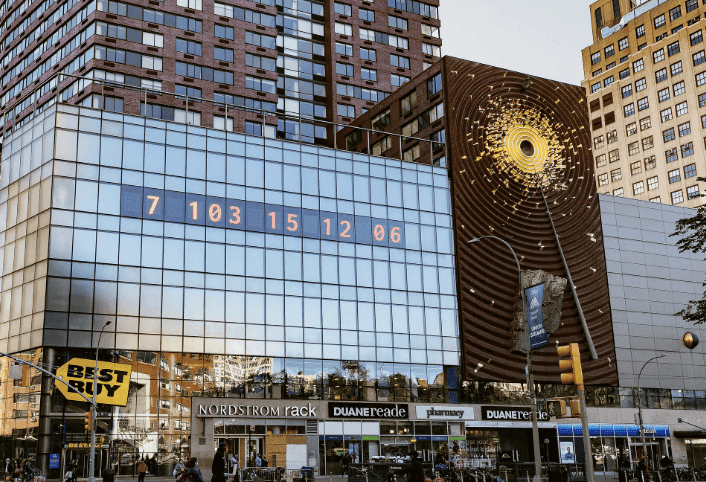
The Climate Clock's 1.5°C Deadline is published as a machine-readable timestamp in its public data feed at https://api.climateclock.world/v2/clock.json (the “timestamp” value of the carbon-deadline module), which is the same target the on-site countdown at https://climateclock.world displays. As of this market's creation, that Deadline is July 22, 2029 (timestamp 2029-07-22T16:00:00+00:00). The ordinary second-by-second ticking of the countdown toward the Deadline does not constitute a change; only a change to the published Deadline date itself qualifies.

Because a qualifying change is permanent once published, every market with a listed date on or after the change will resolve “Yes”, and markets whose listed date has already passed without a qualifying change will have resolved “No”. If the Climate Clock and its public data feed both become permanently unavailable before a qualifying change is published, all unresolved markets will resolve to “No”.
Volumen
$12,623
Fecha de finalización
31 dic 2029
Mercado abierto
Aug 19, 2026, 6:40 PM ET

Fuente de resolución

https://climateclock.world
Each market asks whether the “Deadline” to limit global warming to 1.5°C shown by the Climate Clock (https://climateclock.world) will change before that market's listed date. A market resolves to “Yes” if, at any point on or before its listed date, 11:59 PM ET, the Climate Clock's published 1.5°C Deadline is more than 30 days earlier or more than 30 days later than July 22, 2029. Otherwise, that market resolves to “No”. The Climate Clock's 1.5°C Deadline is published as a machine-readable timestamp in its public data feed at https://api.climateclock.world/v2/clock.json (the “timestamp” value of the carbon-deadline module), which is the same target the on-site countdown at https://climateclock.world displays. As of this market's creation, that Deadline is July 22, 2029 (timestamp 2029-07-22T16:00:00+00:00). The ordinary second-by-second ticking of the countdown toward the Deadline does not constitute a change; only a change to the published Deadline date itself qualifies. Because a qualifying change is permanent once published, every market with a listed date on or after the change will resolve “Yes”, and markets whose listed date has already passed without a qualifying change will have resolved “No”. If the Climate Clock and its public data feed both become permanently unavailable before a qualifying change is published, all unresolved markets will resolve to “No”.
Each market asks whether the “Deadline” to limit global warming to 1.5°C shown by the Climate Clock (https://climateclock.world) will change before that market's listed date. A market resolves to “Yes” if, at any point on or before its listed date, 11:59 PM ET, the Climate Clock's published 1.5°C Deadline is more than 30 days earlier or more than 30 days later than July 22, 2029. Otherwise, that market resolves to “No”. The Climate Clock's 1.5°C Deadline is published as a machine-readable timestamp in its public data feed at https://api.climateclock.world/v2/clock.json (the “timestamp” value of the carbon-deadline module), which is the same target the on-site countdown at https://climateclock.world displays. As of this market's creation, that Deadline is July 22, 2029 (timestamp 2029-07-22T16:00:00+00:00). The ordinary second-by-second ticking of the countdown toward the Deadline does not constitute a change; only a change to the published Deadline date itself qualifies. Because a qualifying change is permanent once published, every market with a listed date on or after the change will resolve “Yes”, and markets whose listed date has already passed without a qualifying change will have resolved “No”. If the Climate Clock and its public data feed both become permanently unavailable before a qualifying change is published, all unresolved markets will resolve to “No”.Traders see a 90.5% implied probability that the Climate Clock's 1.5°C deadline will remain July 22, 2029, through December 31, 2026, because its underlying carbon budget derives from the stable IPCC AR6 Working Group I estimate of roughly 400 GtCO₂ remaining from 2020 at 67% probability, divided by consistent annual emissions near 42 GtCO₂. Recent Global Carbon Project observations and 2026 stocktakes confirm emissions continue at expected rates without abrupt acceleration or mitigation sufficient to trigger a recalculation by the Mercator Research Institute. No major IPCC assessment or revised carbon budget is scheduled before late 2026. A new comprehensive report, sharp global emissions drop, or updated observational datasets could still shift the deadline, though current evidence indicates low likelihood of such changes within the market window.

Each market asks whether the “Deadline” to limit global warming to 1.5°C shown by the Climate Clock (https://climateclock.world) will change before that market's listed date.

A market resolves to “Yes” if, at any point on or before its listed date, 11:59 PM ET, the Climate Clock's published 1.5°C Deadline is more than 30 days earlier or more than 30 days later than July 22, 2029. Otherwise, that market resolves to “No”.

The Climate Clock's 1.5°C Deadline is published as a machine-readable timestamp in its public data feed at https://api.climateclock.world/v2/clock.json (the “timestamp” value of the carbon-deadline module), which is the same target the on-site countdown at https://climateclock.world displays. As of this market's creation, that Deadline is July 22, 2029 (timestamp 2029-07-22T16:00:00+00:00). The ordinary second-by-second ticking of the countdown toward the Deadline does not constitute a change; only a change to the published Deadline date itself qualifies.

Because a qualifying change is permanent once published, every market with a listed date on or after the change will resolve “Yes”, and markets whose listed date has already passed without a qualifying change will have resolved “No”. If the Climate Clock and its public data feed both become permanently unavailable before a qualifying change is published, all unresolved markets will resolve to “No”.
Volumen
$12,623
Fecha de finalización
1 ene 2027
Mercado abierto
Aug 19, 2026, 6:40 PM ET

Fuente de resolución

https://climateclock.world
Each market asks whether the “Deadline” to limit global warming to 1.5°C shown by the Climate Clock (https://climateclock.world) will change before that market's listed date. A market resolves to “Yes” if, at any point on or before its listed date, 11:59 PM ET, the Climate Clock's published 1.5°C Deadline is more than 30 days earlier or more than 30 days later than July 22, 2029. Otherwise, that market resolves to “No”. The Climate Clock's 1.5°C Deadline is published as a machine-readable timestamp in its public data feed at https://api.climateclock.world/v2/clock.json (the “timestamp” value of the carbon-deadline module), which is the same target the on-site countdown at https://climateclock.world displays. As of this market's creation, that Deadline is July 22, 2029 (timestamp 2029-07-22T16:00:00+00:00). The ordinary second-by-second ticking of the countdown toward the Deadline does not constitute a change; only a change to the published Deadline date itself qualifies. Because a qualifying change is permanent once published, every market with a listed date on or after the change will resolve “Yes”, and markets whose listed date has already passed without a qualifying change will have resolved “No”. If the Climate Clock and its public data feed both become permanently unavailable before a qualifying change is published, all unresolved markets will resolve to “No”.

Cuidado con los enlaces externos.

Preguntas frecuentes

"¿Cambiará la fecha límite de 1,5° C del Reloj Climático en...?" es un mercado de predicción en Polymarket donde los operadores compran y venden acciones de "Sí" o "No" según si creen que este evento ocurrirá. La probabilidad actual según la comunidad es 10% para "Yes". Por ejemplo, si "Sí" se cotiza a 10¢, el mercado colectivamente asigna una probabilidad de 10% de que este evento ocurra. Estas probabilidades cambian continuamente a medida que los operadores reaccionan a nuevos desarrollos e información. Las acciones del resultado correcto son canjeables por $1 cada una tras la resolución del mercado.

A día de hoy, "¿Cambiará la fecha límite de 1,5° C del Reloj Climático en...?" ha generado $12.6K en volumen total de trading desde que el mercado se lanzó el Aug 19, 2026. Este nivel de actividad refleja un fuerte compromiso de la comunidad de Polymarket y ayuda a garantizar que las probabilidades actuales estén respaldadas por un amplio grupo de participantes del mercado. Puedes seguir los movimientos de precios en vivo y operar en cualquier resultado directamente en esta página.

Para operar en "¿Cambiará la fecha límite de 1,5° C del Reloj Climático en...?", simplemente elige si crees que la respuesta es "Sí" o "No". Cada lado tiene un precio actual que refleja la probabilidad implícita del mercado. Introduce tu cantidad y haz clic en "Operar". Si compras acciones de "Sí" y el resultado se resuelve como "Sí", cada acción paga $1. Si se resuelve como "No", tus acciones de "Sí" pagan $0. También puedes vender tus acciones en cualquier momento antes de la resolución para asegurar ganancias o limitar pérdidas.

La probabilidad actual para "¿Cambiará la fecha límite de 1,5° C del Reloj Climático en...?" es 10% para "Yes". Esto significa que la comunidad de Polymarket actualmente cree que hay una probabilidad de 10% de que este evento ocurra. Estas probabilidades se actualizan en tiempo real basándose en operaciones reales, proporcionando una señal continuamente actualizada de lo que el mercado espera.

Las reglas de resolución para "¿Cambiará la fecha límite de 1,5° C del Reloj Climático en...?" definen exactamente qué debe ocurrir para que cada resultado sea declarado ganador, incluyendo las fuentes de datos oficiales utilizadas para determinar el resultado. Puedes revisar los criterios de resolución completos en la sección "Reglas" en esta página sobre los comentarios. Recomendamos leer las reglas cuidadosamente antes de operar, ya que especifican las condiciones exactas, casos especiales y fuentes.