
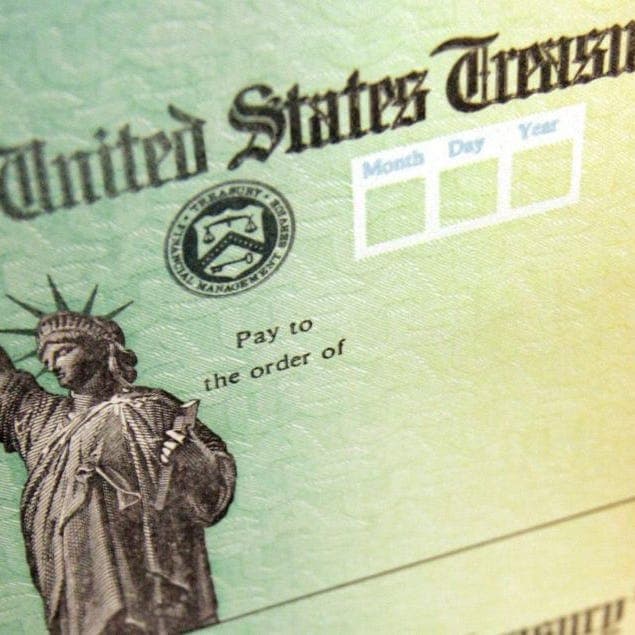
**No legislative vehicle has advanced to authorize direct tariff-funded payments, and a February 2026 Supreme Court ruling curtailed the broad emergency tariff authority that was expected to generate the necessary revenue.** Analysts estimate a $2,000-per-person program limited to lower- and middle-income households would cost $280–600 billion annually, far exceeding projected customs receipts even before the court decision triggered roughly $100 billion in importer refunds and downward revisions to future collections. Bills such as the American Worker Rebate Act remain stalled in committee with no scheduled votes, while White House economic advisers have indicated any formal proposal would not reach Congress until 2027. These structural and fiscal constraints explain the strong trader consensus against implementation by the end of 2026.
Experimentelle KI-generierte Zusammenfassung mit Polymarket-Daten. Dies ist keine Handelsberatung und spielt keine Rolle bei der Auflösung dieses Marktes. · AktualisiertAny bill signed into law or executive action taken within this market's time frame will qualify, regardless of when the law or action goes into effect.
A qualifying payment of any amount distributed to any segment of individual US taxpayers will qualify as long as it is clearly attributed primarily to tariff revenue rather than a routine tax refund or credit.
The resolution source will be a consensus of credible reporting.
Markt eröffnet: Jun 29, 2026, 3:13 PM ET
Abwickler
0x65070BE91...Any bill signed into law or executive action taken within this market's time frame will qualify, regardless of when the law or action goes into effect.
A qualifying payment of any amount distributed to any segment of individual US taxpayers will qualify as long as it is clearly attributed primarily to tariff revenue rather than a routine tax refund or credit.
The resolution source will be a consensus of credible reporting.
Abwickler
0x65070BE91...**No legislative vehicle has advanced to authorize direct tariff-funded payments, and a February 2026 Supreme Court ruling curtailed the broad emergency tariff authority that was expected to generate the necessary revenue.** Analysts estimate a $2,000-per-person program limited to lower- and middle-income households would cost $280–600 billion annually, far exceeding projected customs receipts even before the court decision triggered roughly $100 billion in importer refunds and downward revisions to future collections. Bills such as the American Worker Rebate Act remain stalled in committee with no scheduled votes, while White House economic advisers have indicated any formal proposal would not reach Congress until 2027. These structural and fiscal constraints explain the strong trader consensus against implementation by the end of 2026.
Experimentelle KI-generierte Zusammenfassung mit Polymarket-Daten. Dies ist keine Handelsberatung und spielt keine Rolle bei der Auflösung dieses Marktes. · Aktualisiert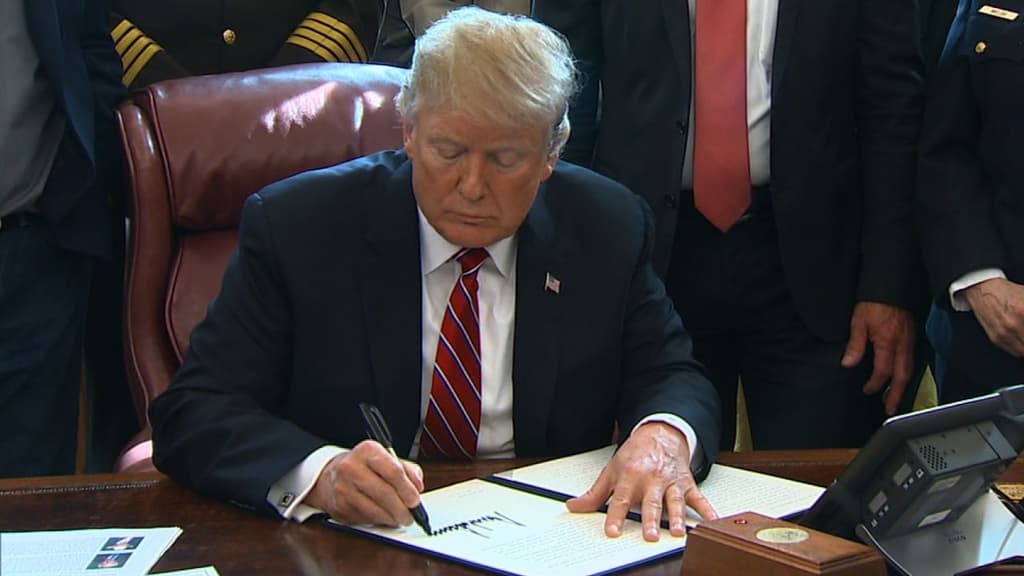


Vorsicht bei externen Links.
Vorsicht bei externen Links.
Häufig gestellte Fragen