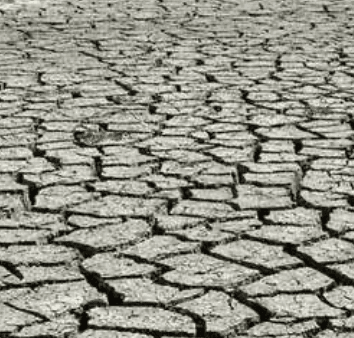
Persistent high pressure and above-normal temperatures have driven recent degradation to exceptional (D4) drought across portions of Colorado, Nebraska, and adjacent High Plains states, where soil moisture deficits and low streamflows persist according to the U.S. Drought Monitor valid August 25, 2026. Monsoonal rainfall has eased conditions in parts of the Southwest, while D3-D4 areas expanded slightly in the Pacific Northwest and northern Rockies. With the week of September 1 falling near the next USDM release (typically Thursday), traders monitor short-term precipitation forecasts and any late-August heat waves that could lock in D4 classifications. The Climate Prediction Center’s seasonal outlook highlights continued persistence risks in the northern Plains amid strong El Niño influences.
Experimentelle KI-generierte Zusammenfassung mit Polymarket-Daten. Dies ist keine Handelsberatung und spielt keine Rolle bei der Auflösung dieses Marktes. · AktualisiertAußergewöhnliche Dürre (D4) nach Bundesstaat — Woche vom 1. September 2026
Außergewöhnliche Dürre (D4) nach Bundesstaat — Woche vom 1. September 2026
$22,286 Vol.
Alabama
1%
Arizona
4%
Arkansas
88%
Kalifornien
2%
Colorado
94%
Delaware
5%
Florida
11%
Georgia
5%
Idaho
93%
Illinois
4%
Indiana
3%
Iowa
4%
Kansas
5%
Kentucky
3%
Louisiana
10%
Maryland
3%
Minnesota
6%
Mississippi
84%
Missouri
1%
Montana
4%
Nebraska
94%
Nevada
75%
New Jersey
5%
New Mexico
94%
North Carolina
75%
North Dakota
6%
Ohio
4%
Oklahoma
95%
Oregon
93%
Pennsylvania
1%
South Carolina
8%
South Dakota
8%
Tennessee
1%
Texas
99%
Utah
94%
Virginia
2%
Washington
14%
West Virginia
4%
Wisconsin
12%
Wyoming
17%
$22,286 Vol.
Alabama
1%
Arizona
4%
Arkansas
88%
Kalifornien
2%
Colorado
94%
Delaware
5%
Florida
11%
Georgia
5%
Idaho
93%
Illinois
4%
Indiana
3%
Iowa
4%
Kansas
5%
Kentucky
3%
Louisiana
10%
Maryland
3%
Minnesota
6%
Mississippi
84%
Missouri
1%
Montana
4%
Nebraska
94%
Nevada
75%
New Jersey
5%
New Mexico
94%
North Carolina
75%
North Dakota
6%
Ohio
4%
Oklahoma
95%
Oregon
93%
Pennsylvania
1%
South Carolina
8%
South Dakota
8%
Tennessee
1%
Texas
99%
Utah
94%
Virginia
2%
Washington
14%
West Virginia
4%
Wisconsin
12%
Wyoming
17%
D4 area below 0.05% is treated as cartographic noise at state borders and resolves "No".
Alabama carries a market in May through November, so this market exists for the week valid September 1, 2026. Weeks outside that window have no Alabama market and make no claim about Alabama's drought.
Each USDM release covers the seven-day period ending Tuesday at 8:00 AM ET and is published the following Thursday.
Resolution is based on the first published US Drought Monitor release for the listed week. Subsequent revisions will not be considered; the first published release is final.
The resolution source for this market is the US Drought Monitor at droughtmonitor.unl.edu.
Markt eröffnet: Aug 27, 2026, 9:00 AM ET
Abwicklungsquelle
https://droughtmonitor.unl.edu/DmData/DataTables.aspxAbwickler
0x65070BE91...D4 area below 0.05% is treated as cartographic noise at state borders and resolves "No".
Alabama carries a market in May through November, so this market exists for the week valid September 1, 2026. Weeks outside that window have no Alabama market and make no claim about Alabama's drought.
Each USDM release covers the seven-day period ending Tuesday at 8:00 AM ET and is published the following Thursday.
Resolution is based on the first published US Drought Monitor release for the listed week. Subsequent revisions will not be considered; the first published release is final.
The resolution source for this market is the US Drought Monitor at droughtmonitor.unl.edu.
Abwicklungsquelle
https://droughtmonitor.unl.edu/DmData/DataTables.aspxAbwickler
0x65070BE91...Persistent high pressure and above-normal temperatures have driven recent degradation to exceptional (D4) drought across portions of Colorado, Nebraska, and adjacent High Plains states, where soil moisture deficits and low streamflows persist according to the U.S. Drought Monitor valid August 25, 2026. Monsoonal rainfall has eased conditions in parts of the Southwest, while D3-D4 areas expanded slightly in the Pacific Northwest and northern Rockies. With the week of September 1 falling near the next USDM release (typically Thursday), traders monitor short-term precipitation forecasts and any late-August heat waves that could lock in D4 classifications. The Climate Prediction Center’s seasonal outlook highlights continued persistence risks in the northern Plains amid strong El Niño influences.
Experimentelle KI-generierte Zusammenfassung mit Polymarket-Daten. Dies ist keine Handelsberatung und spielt keine Rolle bei der Auflösung dieses Marktes. · Aktualisiert
Vorsicht bei externen Links.
Vorsicht bei externen Links.
Häufig gestellte Fragen