icon for 气候时钟的1.5°C截止日期是否会改变...... ?

气候时钟的1.5°C截止日期是否会改变...... ?

icon for 气候时钟的1.5°C截止日期是否会改变...... ?

气候时钟的1.5°C截止日期是否会改变...... ?

10% 概率
Polymarket

$12,623 交易量

10% 概率
Polymarket

$12,623 交易量

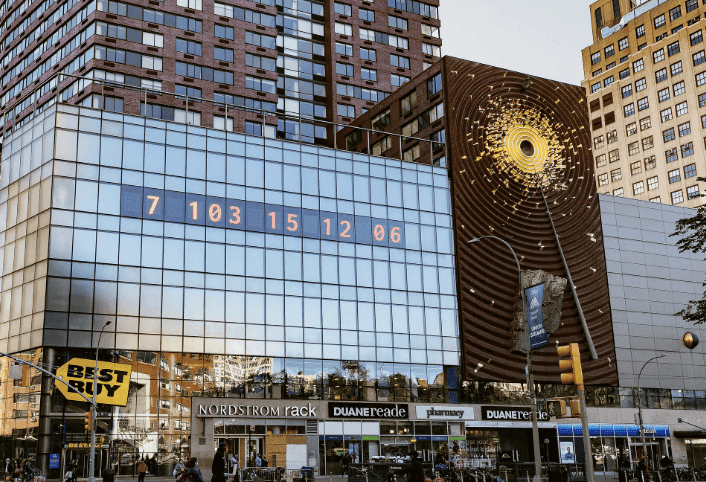
Each market asks whether the “Deadline” to limit global warming to 1.5°C shown by the Climate Clock (https://climateclock.world) will change before that market's listed date. A market resolves to “Yes” if, at any point on or before its listed date, 11:59 PM ET, the Climate Clock's published 1.5°C Deadline is more than 30 days earlier or more than 30 days later than July 22, 2029. Otherwise, that market resolves to “No”. The Climate Clock's 1.5°C Deadline is published as a machine-readable timestamp in its public data feed at https://api.climateclock.world/v2/clock.json (the “timestamp” value of the carbon-deadline module), which is the same target the on-site countdown at https://climateclock.world displays. As of this market's creation, that Deadline is July 22, 2029 (timestamp 2029-07-22T16:00:00+00:00). The ordinary second-by-second ticking of the countdown toward the Deadline does not constitute a change; only a change to the published Deadline date itself qualifies. Because a qualifying change is permanent once published, every market with a listed date on or after the change will resolve “Yes”, and markets whose listed date has already passed without a qualifying change will have resolved “No”. If the Climate Clock and its public data feed both become permanently unavailable before a qualifying change is published, all unresolved markets will resolve to “No”.The Climate Clock's 1.5°C deadline, currently set at July 22, 2029, draws from the Mercator Research Institute's carbon budget estimates grounded in the IPCC's 2021 physical science assessment, projecting depletion at a steady ~42 GtCO2 annual emissions rate. Strong trader consensus on stability through December 2026 reflects the clock's infrequent recalibrations—last major shift occurred in late 2023—combined with persistent record-high global emissions that have not yet triggered a new data release or model revision sufficient to alter the published timestamp by more than 30 days. Ongoing observational trends from agencies like NOAA show continued warming near 1.4°C but no abrupt shift in the underlying budget methodology before year-end. A realistic challenge could arise from an unscheduled MCC update incorporating accelerated 2025–2026 emission growth or revised IPCC carbon budget figures, though historical patterns indicate such changes occur on multi-year cycles rather than within the next four months.

Each market asks whether the “Deadline” to limit global warming to 1.5°C shown by the Climate Clock (https://climateclock.world) will change before that market's listed date.

A market resolves to “Yes” if, at any point on or before its listed date, 11:59 PM ET, the Climate Clock's published 1.5°C Deadline is more than 30 days earlier or more than 30 days later than July 22, 2029. Otherwise, that market resolves to “No”.

The Climate Clock's 1.5°C Deadline is published as a machine-readable timestamp in its public data feed at https://api.climateclock.world/v2/clock.json (the “timestamp” value of the carbon-deadline module), which is the same target the on-site countdown at https://climateclock.world displays. As of this market's creation, that Deadline is July 22, 2029 (timestamp 2029-07-22T16:00:00+00:00). The ordinary second-by-second ticking of the countdown toward the Deadline does not constitute a change; only a change to the published Deadline date itself qualifies.

Because a qualifying change is permanent once published, every market with a listed date on or after the change will resolve “Yes”, and markets whose listed date has already passed without a qualifying change will have resolved “No”. If the Climate Clock and its public data feed both become permanently unavailable before a qualifying change is published, all unresolved markets will resolve to “No”.
交易量
$12,623
结束日期
2029-12-31
市场开放时间
Aug 19, 2026, 6:40 PM ET
Each market asks whether the “Deadline” to limit global warming to 1.5°C shown by the Climate Clock (https://climateclock.world) will change before that market's listed date. A market resolves to “Yes” if, at any point on or before its listed date, 11:59 PM ET, the Climate Clock's published 1.5°C Deadline is more than 30 days earlier or more than 30 days later than July 22, 2029. Otherwise, that market resolves to “No”. The Climate Clock's 1.5°C Deadline is published as a machine-readable timestamp in its public data feed at https://api.climateclock.world/v2/clock.json (the “timestamp” value of the carbon-deadline module), which is the same target the on-site countdown at https://climateclock.world displays. As of this market's creation, that Deadline is July 22, 2029 (timestamp 2029-07-22T16:00:00+00:00). The ordinary second-by-second ticking of the countdown toward the Deadline does not constitute a change; only a change to the published Deadline date itself qualifies. Because a qualifying change is permanent once published, every market with a listed date on or after the change will resolve “Yes”, and markets whose listed date has already passed without a qualifying change will have resolved “No”. If the Climate Clock and its public data feed both become permanently unavailable before a qualifying change is published, all unresolved markets will resolve to “No”.
Each market asks whether the “Deadline” to limit global warming to 1.5°C shown by the Climate Clock (https://climateclock.world) will change before that market's listed date. A market resolves to “Yes” if, at any point on or before its listed date, 11:59 PM ET, the Climate Clock's published 1.5°C Deadline is more than 30 days earlier or more than 30 days later than July 22, 2029. Otherwise, that market resolves to “No”. The Climate Clock's 1.5°C Deadline is published as a machine-readable timestamp in its public data feed at https://api.climateclock.world/v2/clock.json (the “timestamp” value of the carbon-deadline module), which is the same target the on-site countdown at https://climateclock.world displays. As of this market's creation, that Deadline is July 22, 2029 (timestamp 2029-07-22T16:00:00+00:00). The ordinary second-by-second ticking of the countdown toward the Deadline does not constitute a change; only a change to the published Deadline date itself qualifies. Because a qualifying change is permanent once published, every market with a listed date on or after the change will resolve “Yes”, and markets whose listed date has already passed without a qualifying change will have resolved “No”. If the Climate Clock and its public data feed both become permanently unavailable before a qualifying change is published, all unresolved markets will resolve to “No”.The Climate Clock's 1.5°C deadline, currently set at July 22, 2029, draws from the Mercator Research Institute's carbon budget estimates grounded in the IPCC's 2021 physical science assessment, projecting depletion at a steady ~42 GtCO2 annual emissions rate. Strong trader consensus on stability through December 2026 reflects the clock's infrequent recalibrations—last major shift occurred in late 2023—combined with persistent record-high global emissions that have not yet triggered a new data release or model revision sufficient to alter the published timestamp by more than 30 days. Ongoing observational trends from agencies like NOAA show continued warming near 1.4°C but no abrupt shift in the underlying budget methodology before year-end. A realistic challenge could arise from an unscheduled MCC update incorporating accelerated 2025–2026 emission growth or revised IPCC carbon budget figures, though historical patterns indicate such changes occur on multi-year cycles rather than within the next four months.

Each market asks whether the “Deadline” to limit global warming to 1.5°C shown by the Climate Clock (https://climateclock.world) will change before that market's listed date.

A market resolves to “Yes” if, at any point on or before its listed date, 11:59 PM ET, the Climate Clock's published 1.5°C Deadline is more than 30 days earlier or more than 30 days later than July 22, 2029. Otherwise, that market resolves to “No”.

The Climate Clock's 1.5°C Deadline is published as a machine-readable timestamp in its public data feed at https://api.climateclock.world/v2/clock.json (the “timestamp” value of the carbon-deadline module), which is the same target the on-site countdown at https://climateclock.world displays. As of this market's creation, that Deadline is July 22, 2029 (timestamp 2029-07-22T16:00:00+00:00). The ordinary second-by-second ticking of the countdown toward the Deadline does not constitute a change; only a change to the published Deadline date itself qualifies.

Because a qualifying change is permanent once published, every market with a listed date on or after the change will resolve “Yes”, and markets whose listed date has already passed without a qualifying change will have resolved “No”. If the Climate Clock and its public data feed both become permanently unavailable before a qualifying change is published, all unresolved markets will resolve to “No”.
交易量
$12,623
结束日期
2027-01-01
市场开放时间
Aug 19, 2026, 6:40 PM ET
Each market asks whether the “Deadline” to limit global warming to 1.5°C shown by the Climate Clock (https://climateclock.world) will change before that market's listed date. A market resolves to “Yes” if, at any point on or before its listed date, 11:59 PM ET, the Climate Clock's published 1.5°C Deadline is more than 30 days earlier or more than 30 days later than July 22, 2029. Otherwise, that market resolves to “No”. The Climate Clock's 1.5°C Deadline is published as a machine-readable timestamp in its public data feed at https://api.climateclock.world/v2/clock.json (the “timestamp” value of the carbon-deadline module), which is the same target the on-site countdown at https://climateclock.world displays. As of this market's creation, that Deadline is July 22, 2029 (timestamp 2029-07-22T16:00:00+00:00). The ordinary second-by-second ticking of the countdown toward the Deadline does not constitute a change; only a change to the published Deadline date itself qualifies. Because a qualifying change is permanent once published, every market with a listed date on or after the change will resolve “Yes”, and markets whose listed date has already passed without a qualifying change will have resolved “No”. If the Climate Clock and its public data feed both become permanently unavailable before a qualifying change is published, all unresolved markets will resolve to “No”.

警惕外部链接哦。

常见问题

"气候时钟的1.5°C截止日期是否会改变...... ?"是 Polymarket 上的一个预测市场,交易者根据自己对事件是否会发生的判断买卖"是"或"否"的份额。当前社区预测的概率为 10%("Yes")。例如,如果"是"的价格为 10¢,则市场集体认为该事件发生的概率为 10%。这些赔率会随着交易者对新动态和信息的反应而不断变化。正确结果的份额在市场结算时可兑换为每份 $1。

截至目前,"气候时钟的1.5°C截止日期是否会改变...... ?"已产生 $12.6K 的总交易量(自Aug 19, 2026市场上线以来)。这一活跃度反映了 Polymarket 社区的高度参与,并确保当前赔率由广泛的市场参与者共同形成。你可以直接在本页追踪实时价格变动并交易任何结果。

要在"气候时钟的1.5°C截止日期是否会改变...... ?"上交易,只需选择你认为答案是"是"还是"否"。每一方都有一个反映市场隐含概率的当前价格。输入你的金额并点击"交易"。如果你买入"是"的份额且结果为"是",每份支付 $1。如果结果为"否",你的"是"份额支付 $0。你也可以在结算前随时卖出份额以锁定利润或止损。

"气候时钟的1.5°C截止日期是否会改变...... ?"的当前概率为 10%("Yes")。这意味着 Polymarket 社区目前认为该事件发生的概率为 10%。这些赔率基于实际交易实时更新,持续提供市场预期信号。

"气候时钟的1.5°C截止日期是否会改变...... ?"的结算规则明确定义了每个结果被宣布为获胜者所需满足的条件——包括用于确定结果的官方数据来源。你可以在本页评论上方的"规则"部分查看完整的结算标准。我们建议在交易前仔细阅读规则,因为它们规定了精确的条件、特殊情况和数据来源。