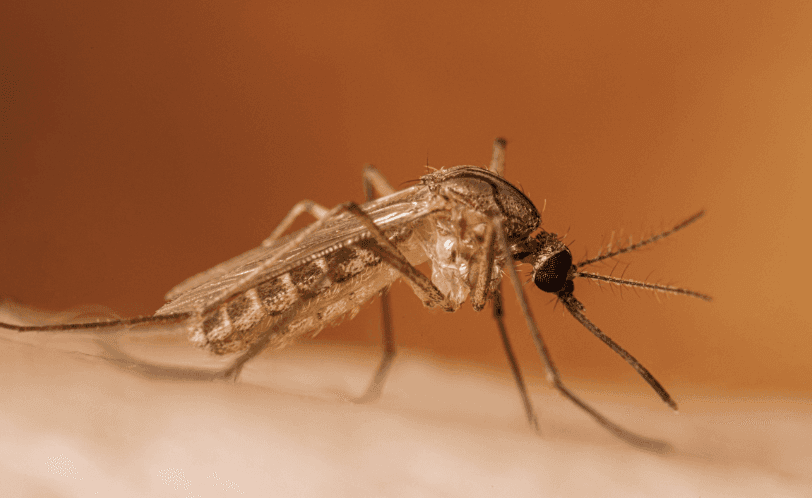
Elevated West Nile virus activity in New York City mosquitoes this season, with 1,284 positive pools detected since June 16 across all boroughs—nearly double last year's pace—has shaped trader views toward 20–34 neuroinvasive cases. Only one confirmed human case has been reported as of late August, consistent with the typical mid-July to early-fall onset, while recent years show an upward trend from a 2012–2021 average of 16 annual neuroinvasive cases to 31 from 2022–2025. Warmer temperatures and shifting precipitation patterns that boost Culex mosquito abundance and viral replication support the risk of exceeding the lower historical baseline, though underreporting of milder infections and variable late-season transmission introduce uncertainty ahead of peak activity and October surveillance updates.
Eksperimental na AI-generated summary na nire-reference ang Polymarket data. Hindi ito trading advice at wala itong papel sa kung paano nire-resolve ang market na ito. · Na-updateHow many West Nile neuroinvasive disease cases will be reported among New York City residents in 2026?
How many West Nile neuroinvasive disease cases will be reported among New York City residents in 2026?
Fewer than 20 43%
20 to 34 40%
35 to 49 16%
50 or more 6%
Fewer than 20
43%
20 to 34
40%
35 to 49
16%
50 or more
6%
Fewer than 20 43%
20 to 34 40%
35 to 49 16%
50 or more 6%
Fewer than 20
43%
20 to 34
40%
35 to 49
16%
50 or more
6%
Cases are counted as whole numbers, so each outcome covers a distinct range with no overlap or gap.
The 2026 count shown on the source as of January 1, 2027 is the starting figure.
If the DOHMH publishes or revises the 2026 count on or after January 1, 2027, this market will resolve based on the count shown on the source at 11:59 PM ET on the 14th day after the first such update, or on March 31, 2027, 11:59 PM ET, whichever comes first. If no such update occurs, this market will resolve on March 31, 2027, 11:59 PM ET, based on the 2026 count shown on the source at that time.
If no 2026 count has been published on the source by March 31, 2027, 11:59 PM ET, this market will resolve based on the sum of 2026 West Nile neuroinvasive disease case counts reported by CDC ArboNET for the five New York City counties (Bronx, Kings, New York, Queens, and Richmond). Revisions published after this market resolves will not be considered. If the DOHMH changes its reporting format or URL structure, the closest equivalent NYC Health Department publication of 2026 West Nile neuroinvasive case data will be used.
Binuksan ang Market: Aug 20, 2026, 5:18 PM ET
Resolver
0x69c47De9D...Cases are counted as whole numbers, so each outcome covers a distinct range with no overlap or gap.
The 2026 count shown on the source as of January 1, 2027 is the starting figure.
If the DOHMH publishes or revises the 2026 count on or after January 1, 2027, this market will resolve based on the count shown on the source at 11:59 PM ET on the 14th day after the first such update, or on March 31, 2027, 11:59 PM ET, whichever comes first. If no such update occurs, this market will resolve on March 31, 2027, 11:59 PM ET, based on the 2026 count shown on the source at that time.
If no 2026 count has been published on the source by March 31, 2027, 11:59 PM ET, this market will resolve based on the sum of 2026 West Nile neuroinvasive disease case counts reported by CDC ArboNET for the five New York City counties (Bronx, Kings, New York, Queens, and Richmond). Revisions published after this market resolves will not be considered. If the DOHMH changes its reporting format or URL structure, the closest equivalent NYC Health Department publication of 2026 West Nile neuroinvasive case data will be used.
Resolver
0x69c47De9D...Elevated West Nile virus activity in New York City mosquitoes this season, with 1,284 positive pools detected since June 16 across all boroughs—nearly double last year's pace—has shaped trader views toward 20–34 neuroinvasive cases. Only one confirmed human case has been reported as of late August, consistent with the typical mid-July to early-fall onset, while recent years show an upward trend from a 2012–2021 average of 16 annual neuroinvasive cases to 31 from 2022–2025. Warmer temperatures and shifting precipitation patterns that boost Culex mosquito abundance and viral replication support the risk of exceeding the lower historical baseline, though underreporting of milder infections and variable late-season transmission introduce uncertainty ahead of peak activity and October surveillance updates.
Eksperimental na AI-generated summary na nire-reference ang Polymarket data. Hindi ito trading advice at wala itong papel sa kung paano nire-resolve ang market na ito. · Na-update

Mag-ingat sa mga external link.
Mag-ingat sa mga external link.
Mga Madalas na Tanong