icon for Will the Climate Clock's 1.5°C deadline change by...?

Will the Climate Clock's 1.5°C deadline change by...?

icon for Will the Climate Clock's 1.5°C deadline change by...?

Will the Climate Clock's 1.5°C deadline change by...?

10% szansa
Polymarket

$12,623 Wol.

10% szansa
Polymarket

$12,623 Wol.

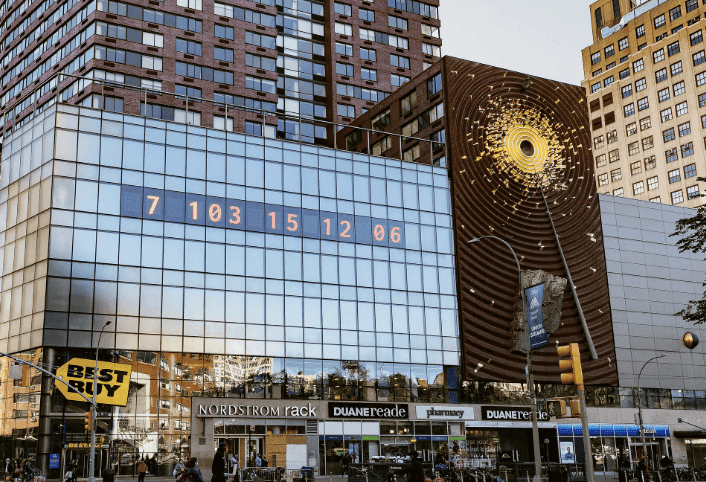
Each market asks whether the “Deadline” to limit global warming to 1.5°C shown by the Climate Clock (https://climateclock.world) will change before that market's listed date. A market resolves to “Yes” if, at any point on or before its listed date, 11:59 PM ET, the Climate Clock's published 1.5°C Deadline is more than 30 days earlier or more than 30 days later than July 22, 2029. Otherwise, that market resolves to “No”. The Climate Clock's 1.5°C Deadline is published as a machine-readable timestamp in its public data feed at https://api.climateclock.world/v2/clock.json (the “timestamp” value of the carbon-deadline module), which is the same target the on-site countdown at https://climateclock.world displays. As of this market's creation, that Deadline is July 22, 2029 (timestamp 2029-07-22T16:00:00+00:00). The ordinary second-by-second ticking of the countdown toward the Deadline does not constitute a change; only a change to the published Deadline date itself qualifies. Because a qualifying change is permanent once published, every market with a listed date on or after the change will resolve “Yes”, and markets whose listed date has already passed without a qualifying change will have resolved “No”. If the Climate Clock and its public data feed both become permanently unavailable before a qualifying change is published, all unresolved markets will resolve to “No”.Strong trader consensus around a 90.5% implied probability of no change to the Climate Clock's July 22, 2029 deadline by year-end 2026 stems primarily from the clock's reliance on stable carbon budget estimates anchored to IPCC AR6 and Global Carbon Project data, combined with its infrequent revision cadence. Annual or quarterly updates adjust for recent emissions trends near 40–42 GtCO₂, but these rarely shift the deadline by more than 30 days without major new scientific inputs. No IPCC assessment or comprehensive budget recalculation is scheduled before late 2026, and current observational data show steady rather than abrupt emissions trajectories. A realistic challenge could arise from an unforeseen large-scale mitigation breakthrough or a peer-reviewed revision to remaining budgets that prompts an immediate model reset.

Each market asks whether the “Deadline” to limit global warming to 1.5°C shown by the Climate Clock (https://climateclock.world) will change before that market's listed date.

A market resolves to “Yes” if, at any point on or before its listed date, 11:59 PM ET, the Climate Clock's published 1.5°C Deadline is more than 30 days earlier or more than 30 days later than July 22, 2029. Otherwise, that market resolves to “No”.

The Climate Clock's 1.5°C Deadline is published as a machine-readable timestamp in its public data feed at https://api.climateclock.world/v2/clock.json (the “timestamp” value of the carbon-deadline module), which is the same target the on-site countdown at https://climateclock.world displays. As of this market's creation, that Deadline is July 22, 2029 (timestamp 2029-07-22T16:00:00+00:00). The ordinary second-by-second ticking of the countdown toward the Deadline does not constitute a change; only a change to the published Deadline date itself qualifies.

Because a qualifying change is permanent once published, every market with a listed date on or after the change will resolve “Yes”, and markets whose listed date has already passed without a qualifying change will have resolved “No”. If the Climate Clock and its public data feed both become permanently unavailable before a qualifying change is published, all unresolved markets will resolve to “No”.
Wolumen
$12,623
Data zakończenia
Dec 31, 2029
Rynek otwarty
Aug 19, 2026, 6:40 PM ET

Źródło rozstrzygnięcia

https://climateclock.world
Each market asks whether the “Deadline” to limit global warming to 1.5°C shown by the Climate Clock (https://climateclock.world) will change before that market's listed date. A market resolves to “Yes” if, at any point on or before its listed date, 11:59 PM ET, the Climate Clock's published 1.5°C Deadline is more than 30 days earlier or more than 30 days later than July 22, 2029. Otherwise, that market resolves to “No”. The Climate Clock's 1.5°C Deadline is published as a machine-readable timestamp in its public data feed at https://api.climateclock.world/v2/clock.json (the “timestamp” value of the carbon-deadline module), which is the same target the on-site countdown at https://climateclock.world displays. As of this market's creation, that Deadline is July 22, 2029 (timestamp 2029-07-22T16:00:00+00:00). The ordinary second-by-second ticking of the countdown toward the Deadline does not constitute a change; only a change to the published Deadline date itself qualifies. Because a qualifying change is permanent once published, every market with a listed date on or after the change will resolve “Yes”, and markets whose listed date has already passed without a qualifying change will have resolved “No”. If the Climate Clock and its public data feed both become permanently unavailable before a qualifying change is published, all unresolved markets will resolve to “No”.
Each market asks whether the “Deadline” to limit global warming to 1.5°C shown by the Climate Clock (https://climateclock.world) will change before that market's listed date. A market resolves to “Yes” if, at any point on or before its listed date, 11:59 PM ET, the Climate Clock's published 1.5°C Deadline is more than 30 days earlier or more than 30 days later than July 22, 2029. Otherwise, that market resolves to “No”. The Climate Clock's 1.5°C Deadline is published as a machine-readable timestamp in its public data feed at https://api.climateclock.world/v2/clock.json (the “timestamp” value of the carbon-deadline module), which is the same target the on-site countdown at https://climateclock.world displays. As of this market's creation, that Deadline is July 22, 2029 (timestamp 2029-07-22T16:00:00+00:00). The ordinary second-by-second ticking of the countdown toward the Deadline does not constitute a change; only a change to the published Deadline date itself qualifies. Because a qualifying change is permanent once published, every market with a listed date on or after the change will resolve “Yes”, and markets whose listed date has already passed without a qualifying change will have resolved “No”. If the Climate Clock and its public data feed both become permanently unavailable before a qualifying change is published, all unresolved markets will resolve to “No”.Strong trader consensus around a 90.5% implied probability of no change to the Climate Clock's July 22, 2029 deadline by year-end 2026 stems primarily from the clock's reliance on stable carbon budget estimates anchored to IPCC AR6 and Global Carbon Project data, combined with its infrequent revision cadence. Annual or quarterly updates adjust for recent emissions trends near 40–42 GtCO₂, but these rarely shift the deadline by more than 30 days without major new scientific inputs. No IPCC assessment or comprehensive budget recalculation is scheduled before late 2026, and current observational data show steady rather than abrupt emissions trajectories. A realistic challenge could arise from an unforeseen large-scale mitigation breakthrough or a peer-reviewed revision to remaining budgets that prompts an immediate model reset.

Each market asks whether the “Deadline” to limit global warming to 1.5°C shown by the Climate Clock (https://climateclock.world) will change before that market's listed date.

A market resolves to “Yes” if, at any point on or before its listed date, 11:59 PM ET, the Climate Clock's published 1.5°C Deadline is more than 30 days earlier or more than 30 days later than July 22, 2029. Otherwise, that market resolves to “No”.

The Climate Clock's 1.5°C Deadline is published as a machine-readable timestamp in its public data feed at https://api.climateclock.world/v2/clock.json (the “timestamp” value of the carbon-deadline module), which is the same target the on-site countdown at https://climateclock.world displays. As of this market's creation, that Deadline is July 22, 2029 (timestamp 2029-07-22T16:00:00+00:00). The ordinary second-by-second ticking of the countdown toward the Deadline does not constitute a change; only a change to the published Deadline date itself qualifies.

Because a qualifying change is permanent once published, every market with a listed date on or after the change will resolve “Yes”, and markets whose listed date has already passed without a qualifying change will have resolved “No”. If the Climate Clock and its public data feed both become permanently unavailable before a qualifying change is published, all unresolved markets will resolve to “No”.
Wolumen
$12,623
Data zakończenia
Jan 1, 2027
Rynek otwarty
Aug 19, 2026, 6:40 PM ET

Źródło rozstrzygnięcia

https://climateclock.world
Each market asks whether the “Deadline” to limit global warming to 1.5°C shown by the Climate Clock (https://climateclock.world) will change before that market's listed date. A market resolves to “Yes” if, at any point on or before its listed date, 11:59 PM ET, the Climate Clock's published 1.5°C Deadline is more than 30 days earlier or more than 30 days later than July 22, 2029. Otherwise, that market resolves to “No”. The Climate Clock's 1.5°C Deadline is published as a machine-readable timestamp in its public data feed at https://api.climateclock.world/v2/clock.json (the “timestamp” value of the carbon-deadline module), which is the same target the on-site countdown at https://climateclock.world displays. As of this market's creation, that Deadline is July 22, 2029 (timestamp 2029-07-22T16:00:00+00:00). The ordinary second-by-second ticking of the countdown toward the Deadline does not constitute a change; only a change to the published Deadline date itself qualifies. Because a qualifying change is permanent once published, every market with a listed date on or after the change will resolve “Yes”, and markets whose listed date has already passed without a qualifying change will have resolved “No”. If the Climate Clock and its public data feed both become permanently unavailable before a qualifying change is published, all unresolved markets will resolve to “No”.

Uważaj na linki zewnętrzne.

Często zadawane pytania

"Will the Climate Clock's 1.5°C deadline change by...?" to rynek prognoz na Polymarket, gdzie traderzy kupują i sprzedają udziały "Tak" lub "Nie" w zależności od tego, czy wierzą, że to wydarzenie nastąpi. Obecne zbiorowe prawdopodobieństwo to 10% na "Yes". Na przykład, jeśli "Tak" kosztuje 10¢, rynek zbiorowo przypisuje 10% szansy na to, że to wydarzenie nastąpi. Te kursy zmieniają się ciągle, gdy traderzy reagują na nowe informacje i wydarzenia. Udziały w poprawnym wyniku można wymienić na $1 za sztukę po rozstrzygnięciu rynku.

Na dzień dzisiejszy "Will the Climate Clock's 1.5°C deadline change by...?" wygenerował $12.6K łącznego wolumenu od uruchomienia rynku Aug 19, 2026. Ten poziom aktywności handlowej odzwierciedla silne zaangażowanie społeczności Polymarket i pomaga zapewnić, że bieżące kursy są informowane przez głęboką pulę uczestników rynku. Możesz śledzić ruchy cen na żywo i handlować na dowolny wynik bezpośrednio na tej stronie.

Aby handlować na "Will the Climate Clock's 1.5°C deadline change by...?", wybierz, czy uważasz, że odpowiedź to "Tak" czy "Nie". Każda strona ma bieżącą cenę odzwierciedlającą implikowane prawdopodobieństwo rynku. Wpisz kwotę i kliknij "Handluj". Jeśli kupisz udziały "Tak" i wynik okaże się "Tak", każdy udział wypłaci $1. Jeśli okaże się "Nie", Twoje udziały "Tak" wypłacą $0. Możesz też sprzedać swoje udziały w dowolnym momencie przed rozstrzygnięciem, jeśli chcesz zrealizować zysk lub ograniczyć stratę.

Obecne prawdopodobieństwo dla "Will the Climate Clock's 1.5°C deadline change by...?" to 10% na "Yes". Oznacza to, że społeczność Polymarket uważa, że istnieje 10% szansy na to, że to wydarzenie nastąpi. Te kursy aktualizują się w czasie rzeczywistym na podstawie rzeczywistych transakcji, dostarczając ciągle aktualizowany sygnał tego, czego rynek oczekuje.

Zasady rozstrzygania "Will the Climate Clock's 1.5°C deadline change by...?" określają dokładnie, co musi się wydarzyć, aby każdy wynik został ogłoszony zwycięzcą — w tym oficjalne źródła danych używane do ustalenia wyniku. Możesz przejrzeć pełne kryteria rozstrzygania w sekcji "Zasady" na tej stronie nad komentarzami. Zalecamy dokładne zapoznanie się z zasadami przed handlem, ponieważ określają one precyzyjne warunki, przypadki graniczne i źródła regulujące rozstrzyganie tego rynku.