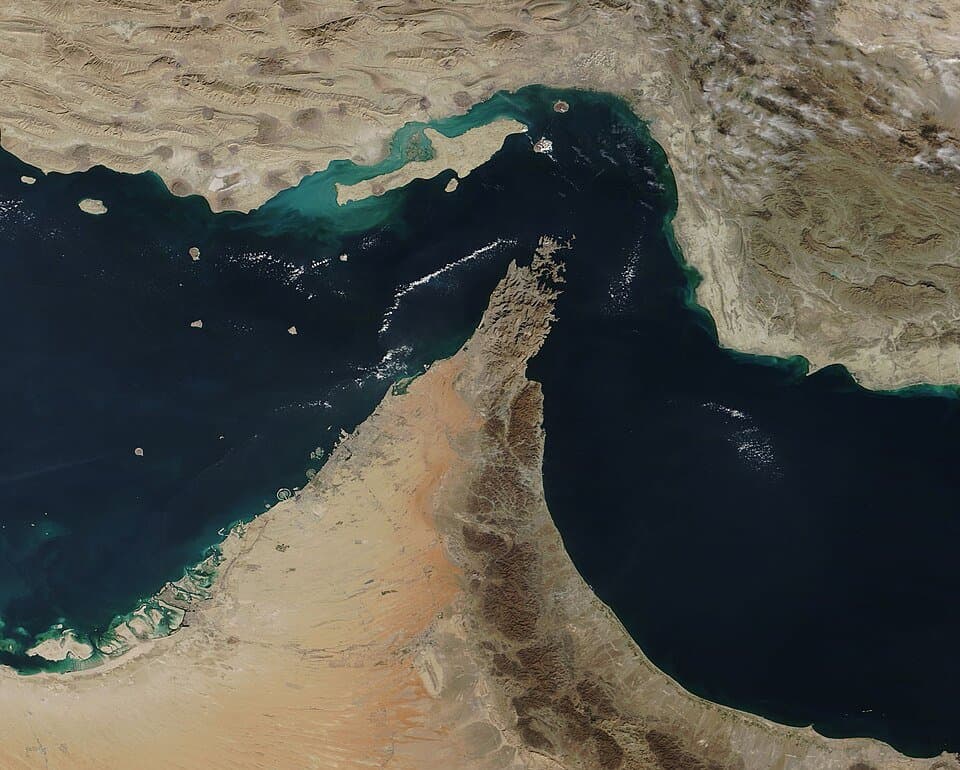
Escalating U.S.-Iran military tensions, including March 2026 strikes on Kharg Island's military sites while sparing its oil export terminal, represent the core driver of trader sentiment around potential shifts in control of Farsi, Hengam, Hormuz, and Kharg. Kharg processes roughly 90% of Iran's crude exports—primarily to China—making any loss of sovereignty a direct hit to Tehran's revenue and global supply chains. The Strait of Hormuz, handling about 20% of seaborne oil trade, amplifies risks to Brent and WTI benchmarks, tanker insurance rates, and energy volatility measures. Ongoing considerations of blockades or seizures have sustained elevated geopolitical risk premiums in commodity markets, with upcoming catalysts tied to further FOMC-influenced rate paths and any de-escalation talks that could stabilize or disrupt flows.
Experimental AI-generated summary referencing Polymarket data. This is not trading advice and plays no role in how this market resolves. · UpdatedFarsi, Hengam, Hormuz or Kharg Island no longer under Iranian control by...?
Farsi, Hengam, Hormuz or Kharg Island no longer under Iranian control by...?
$106,421 Vol.
August 31
1%
September 30
3%
$106,421 Vol.
August 31
1%
September 30
3%
The islands that will be considered for resolution are: Farsi Island, Hengam Island, Hormuz Island and Kharg Island.
"No longer under the control of Iran" means that Iran no longer exercises primary governmental or military control over at least one of the specified islands, and another state, occupying force, or internationally backed authority has established control.
Temporary raids, isolated landings, special operations, bombardment, sabotage, naval presence offshore, or temporary disruption of Iranian activity will not qualify on their own.
An announcement, threat, or claim that Iran has lost control will not qualify without actual control being established.
If control changes pursuant to a negotiated settlement, ceasefire term, surrender, or transfer agreement, this will qualify only once actual control has been established on the island.
If control over at least one of the specified islands is contested, unclear, disputed, or not sufficiently established by the resolution date, this will not qualify, and the market will resolve to "No".
The primary resolution source will be official statements from the relevant governments and militaries, along with a consensus of credible reporting.
Market Opened: Aug 4, 2026, 8:03 PM ET
Resolver
0x65070BE91...The islands that will be considered for resolution are: Farsi Island, Hengam Island, Hormuz Island and Kharg Island.
"No longer under the control of Iran" means that Iran no longer exercises primary governmental or military control over at least one of the specified islands, and another state, occupying force, or internationally backed authority has established control.
Temporary raids, isolated landings, special operations, bombardment, sabotage, naval presence offshore, or temporary disruption of Iranian activity will not qualify on their own.
An announcement, threat, or claim that Iran has lost control will not qualify without actual control being established.
If control changes pursuant to a negotiated settlement, ceasefire term, surrender, or transfer agreement, this will qualify only once actual control has been established on the island.
If control over at least one of the specified islands is contested, unclear, disputed, or not sufficiently established by the resolution date, this will not qualify, and the market will resolve to "No".
The primary resolution source will be official statements from the relevant governments and militaries, along with a consensus of credible reporting.
Resolver
0x65070BE91...Escalating U.S.-Iran military tensions, including March 2026 strikes on Kharg Island's military sites while sparing its oil export terminal, represent the core driver of trader sentiment around potential shifts in control of Farsi, Hengam, Hormuz, and Kharg. Kharg processes roughly 90% of Iran's crude exports—primarily to China—making any loss of sovereignty a direct hit to Tehran's revenue and global supply chains. The Strait of Hormuz, handling about 20% of seaborne oil trade, amplifies risks to Brent and WTI benchmarks, tanker insurance rates, and energy volatility measures. Ongoing considerations of blockades or seizures have sustained elevated geopolitical risk premiums in commodity markets, with upcoming catalysts tied to further FOMC-influenced rate paths and any de-escalation talks that could stabilize or disrupt flows.
Experimental AI-generated summary referencing Polymarket data. This is not trading advice and plays no role in how this market resolves. · Updated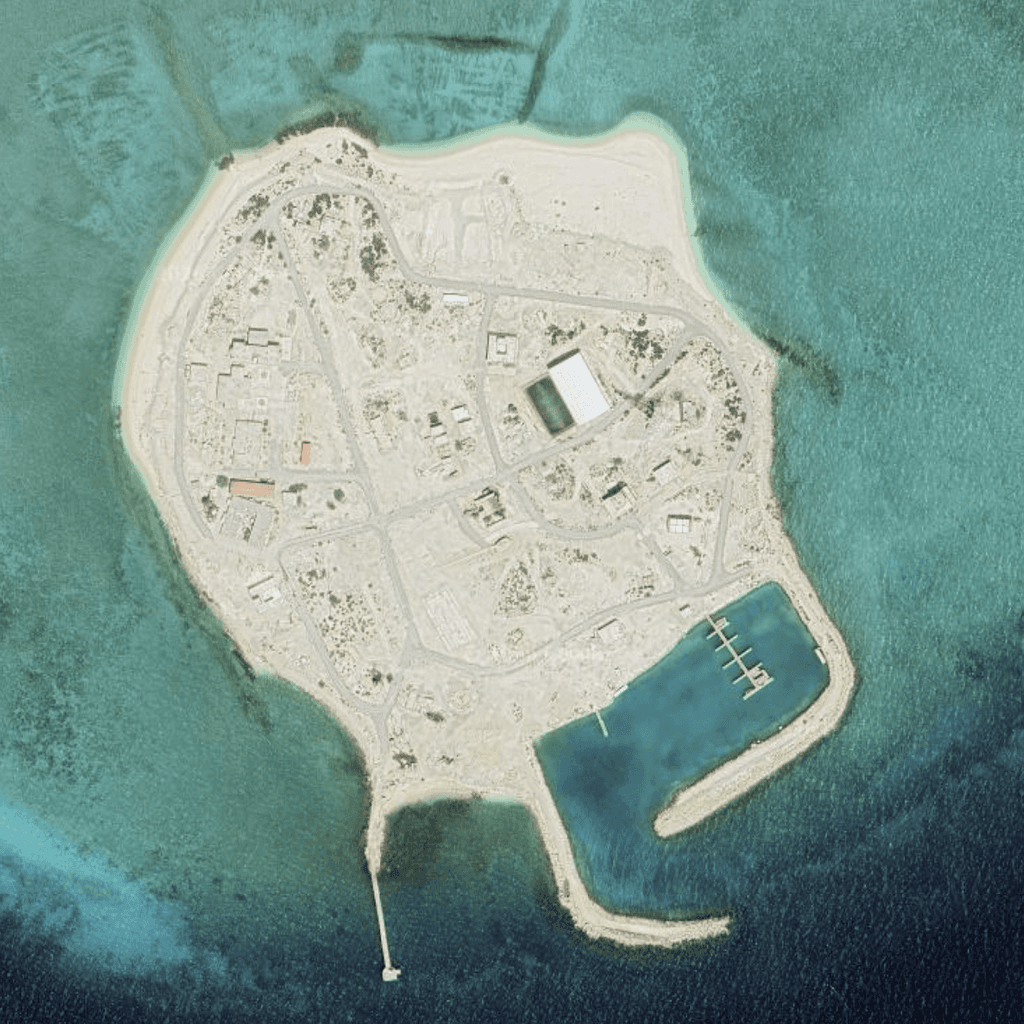


Beware of external links.
Beware of external links.
Frequently Asked Questions