icon for ¿El Super Typhoon Dolphin tocará tierra con una fuerza de categoría 4 o superior?

¿El Super Typhoon Dolphin tocará tierra con una fuerza de categoría 4 o superior?

icon for ¿El Super Typhoon Dolphin tocará tierra con una fuerza de categoría 4 o superior?

¿El Super Typhoon Dolphin tocará tierra con una fuerza de categoría 4 o superior?

3% probabilidad
Polymarket

$17,479 Vol.

3% probabilidad
Polymarket

$17,479 Vol.

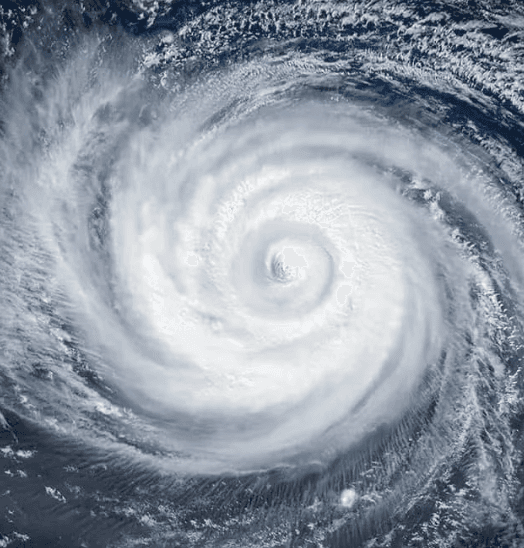
This market resolves "Yes" if Super Typhoon Dolphin makes landfall on any landmass while the most recently issued JMA advisory prior to the crossing shows maximum sustained wind speed near center of 105 knots or higher, corresponding approximately to Category 4 equivalent intensity on the Saffir-Simpson scale. Landfall is defined as the center of Dolphin's circulation physically crossing any coastline, as determined by the Japan Meteorological Agency's (JMA) position advisories (https://www.jma.go.jp/bosai/map.html#contents=typhoon&lang=en), or by credible international news reporting confirming landfall. The single JMA advisory in effect immediately prior to the observed crossing is authoritative for both position and intensity; no subsequent real-time advisory, reclassification, or post-season best-track reanalysis may retroactively change the outcome. JMA position advisories are the primary resolution source. If a JMA advisory plots the center on land, the market resolves based on that advisory's wind speed. If no JMA advisory plots the center on land but credible reporting confirms a crossing occurred between discrete advisory fixes, the intensity is taken from the most recently issued JMA advisory prior to the confirmed crossing time. This market resolves "No" if Dolphin makes landfall with the most recent prior JMA advisory showing maximum sustained winds below 105 knots, if Dolphin dissipates without making landfall on any territory, or if no landfall has physically occurred by the close of August 15, 2026.Super Typhoon Dolphin reached Category 5 strength with peak winds near 160–165 mph in late July 2026 but has since weakened steadily through multiple eyewall replacement cycles and increasing environmental shear while tracking northwest across the western Pacific. As of early August 9, the system is a Category 1-equivalent typhoon with sustained winds around 80–85 mph near 27–28°N, 123–124°E, and official forecasts from the Joint Typhoon Warning Center and Japan Meteorological Agency indicate no re-intensification before its imminent landfall along China’s southeastern coast south of Taizhou. This rapid decay over progressively less favorable ocean conditions and proximity to land explains the 97.3% market-implied probability of “No.” The primary remaining uncertainty is any last-hour track wobble or brief convective burst, though models show minimal potential for winds to reach the Category 4 threshold of 130 mph before crossing the coastline.

This market resolves "Yes" if Super Typhoon Dolphin makes landfall on any landmass while the most recently issued JMA advisory prior to the crossing shows maximum sustained wind speed near center of 105 knots or higher, corresponding approximately to Category 4 equivalent intensity on the Saffir-Simpson scale. Landfall is defined as the center of Dolphin's circulation physically crossing any coastline, as determined by the Japan Meteorological Agency's (JMA) position advisories (https://www.jma.go.jp/bosai/map.html#contents=typhoon&lang=en), or by credible international news reporting confirming landfall.

The single JMA advisory in effect immediately prior to the observed crossing is authoritative for both position and intensity; no subsequent real-time advisory, reclassification, or post-season best-track reanalysis may retroactively change the outcome.

JMA position advisories are the primary resolution source. If a JMA advisory plots the center on land, the market resolves based on that advisory's wind speed. If no JMA advisory plots the center on land but credible reporting confirms a crossing occurred between discrete advisory fixes, the intensity is taken from the most recently issued JMA advisory prior to the confirmed crossing time.

This market resolves "No" if Dolphin makes landfall with the most recent prior JMA advisory showing maximum sustained winds below 105 knots, if Dolphin dissipates without making landfall on any territory, or if no landfall has physically occurred by the close of August 15, 2026.
Volumen
$17,479
Mercado abierto
Jul 30, 2026, 4:58 PM ET
This market resolves "Yes" if Super Typhoon Dolphin makes landfall on any landmass while the most recently issued JMA advisory prior to the crossing shows maximum sustained wind speed near center of 105 knots or higher, corresponding approximately to Category 4 equivalent intensity on the Saffir-Simpson scale. Landfall is defined as the center of Dolphin's circulation physically crossing any coastline, as determined by the Japan Meteorological Agency's (JMA) position advisories (https://www.jma.go.jp/bosai/map.html#contents=typhoon&lang=en), or by credible international news reporting confirming landfall. The single JMA advisory in effect immediately prior to the observed crossing is authoritative for both position and intensity; no subsequent real-time advisory, reclassification, or post-season best-track reanalysis may retroactively change the outcome. JMA position advisories are the primary resolution source. If a JMA advisory plots the center on land, the market resolves based on that advisory's wind speed. If no JMA advisory plots the center on land but credible reporting confirms a crossing occurred between discrete advisory fixes, the intensity is taken from the most recently issued JMA advisory prior to the confirmed crossing time. This market resolves "No" if Dolphin makes landfall with the most recent prior JMA advisory showing maximum sustained winds below 105 knots, if Dolphin dissipates without making landfall on any territory, or if no landfall has physically occurred by the close of August 15, 2026.
This market resolves "Yes" if Super Typhoon Dolphin makes landfall on any landmass while the most recently issued JMA advisory prior to the crossing shows maximum sustained wind speed near center of 105 knots or higher, corresponding approximately to Category 4 equivalent intensity on the Saffir-Simpson scale. Landfall is defined as the center of Dolphin's circulation physically crossing any coastline, as determined by the Japan Meteorological Agency's (JMA) position advisories (https://www.jma.go.jp/bosai/map.html#contents=typhoon&lang=en), or by credible international news reporting confirming landfall. The single JMA advisory in effect immediately prior to the observed crossing is authoritative for both position and intensity; no subsequent real-time advisory, reclassification, or post-season best-track reanalysis may retroactively change the outcome. JMA position advisories are the primary resolution source. If a JMA advisory plots the center on land, the market resolves based on that advisory's wind speed. If no JMA advisory plots the center on land but credible reporting confirms a crossing occurred between discrete advisory fixes, the intensity is taken from the most recently issued JMA advisory prior to the confirmed crossing time. This market resolves "No" if Dolphin makes landfall with the most recent prior JMA advisory showing maximum sustained winds below 105 knots, if Dolphin dissipates without making landfall on any territory, or if no landfall has physically occurred by the close of August 15, 2026.Super Typhoon Dolphin reached Category 5 strength with peak winds near 160–165 mph in late July 2026 but has since weakened steadily through multiple eyewall replacement cycles and increasing environmental shear while tracking northwest across the western Pacific. As of early August 9, the system is a Category 1-equivalent typhoon with sustained winds around 80–85 mph near 27–28°N, 123–124°E, and official forecasts from the Joint Typhoon Warning Center and Japan Meteorological Agency indicate no re-intensification before its imminent landfall along China’s southeastern coast south of Taizhou. This rapid decay over progressively less favorable ocean conditions and proximity to land explains the 97.3% market-implied probability of “No.” The primary remaining uncertainty is any last-hour track wobble or brief convective burst, though models show minimal potential for winds to reach the Category 4 threshold of 130 mph before crossing the coastline.

This market resolves "Yes" if Super Typhoon Dolphin makes landfall on any landmass while the most recently issued JMA advisory prior to the crossing shows maximum sustained wind speed near center of 105 knots or higher, corresponding approximately to Category 4 equivalent intensity on the Saffir-Simpson scale. Landfall is defined as the center of Dolphin's circulation physically crossing any coastline, as determined by the Japan Meteorological Agency's (JMA) position advisories (https://www.jma.go.jp/bosai/map.html#contents=typhoon&lang=en), or by credible international news reporting confirming landfall.

The single JMA advisory in effect immediately prior to the observed crossing is authoritative for both position and intensity; no subsequent real-time advisory, reclassification, or post-season best-track reanalysis may retroactively change the outcome.

JMA position advisories are the primary resolution source. If a JMA advisory plots the center on land, the market resolves based on that advisory's wind speed. If no JMA advisory plots the center on land but credible reporting confirms a crossing occurred between discrete advisory fixes, the intensity is taken from the most recently issued JMA advisory prior to the confirmed crossing time.

This market resolves "No" if Dolphin makes landfall with the most recent prior JMA advisory showing maximum sustained winds below 105 knots, if Dolphin dissipates without making landfall on any territory, or if no landfall has physically occurred by the close of August 15, 2026.
Volumen
$17,554
Fecha de finalización
16 ago 2026
Mercado abierto
Jul 30, 2026, 4:58 PM ET
This market resolves "Yes" if Super Typhoon Dolphin makes landfall on any landmass while the most recently issued JMA advisory prior to the crossing shows maximum sustained wind speed near center of 105 knots or higher, corresponding approximately to Category 4 equivalent intensity on the Saffir-Simpson scale. Landfall is defined as the center of Dolphin's circulation physically crossing any coastline, as determined by the Japan Meteorological Agency's (JMA) position advisories (https://www.jma.go.jp/bosai/map.html#contents=typhoon&lang=en), or by credible international news reporting confirming landfall. The single JMA advisory in effect immediately prior to the observed crossing is authoritative for both position and intensity; no subsequent real-time advisory, reclassification, or post-season best-track reanalysis may retroactively change the outcome. JMA position advisories are the primary resolution source. If a JMA advisory plots the center on land, the market resolves based on that advisory's wind speed. If no JMA advisory plots the center on land but credible reporting confirms a crossing occurred between discrete advisory fixes, the intensity is taken from the most recently issued JMA advisory prior to the confirmed crossing time. This market resolves "No" if Dolphin makes landfall with the most recent prior JMA advisory showing maximum sustained winds below 105 knots, if Dolphin dissipates without making landfall on any territory, or if no landfall has physically occurred by the close of August 15, 2026.

Cuidado con los enlaces externos.

Preguntas frecuentes

"¿El Super Typhoon Dolphin tocará tierra con una fuerza de categoría 4 o superior?" es un mercado de predicción en Polymarket con 2 resultados posibles donde los operadores compran y venden acciones según lo que creen que sucederá. El resultado líder actual es "¿El súper tifón Dolphin tocará tierra con una intensidad de categoría 4 o superior?" con 3%. Los precios reflejan probabilidades en tiempo real de la comunidad. Por ejemplo, una acción cotizada a 3¢ implica que el mercado colectivamente asigna una probabilidad de 3% a ese resultado. Estas probabilidades cambian continuamente a medida que los operadores reaccionan a nuevos desarrollos. Las acciones del resultado correcto son canjeables por $1 cada una tras la resolución del mercado.

A día de hoy, "¿El Super Typhoon Dolphin tocará tierra con una fuerza de categoría 4 o superior?" ha generado $17.5K en volumen total de trading desde que el mercado se lanzó el Jul 30, 2026. Este nivel de actividad refleja un fuerte compromiso de la comunidad de Polymarket y ayuda a garantizar que las probabilidades actuales estén respaldadas por un amplio grupo de participantes del mercado. Puedes seguir los movimientos de precios en vivo y operar en cualquier resultado directamente en esta página.

Para operar en "¿El Super Typhoon Dolphin tocará tierra con una fuerza de categoría 4 o superior?", explora los 2 resultados disponibles en esta página. Cada resultado muestra un precio actual que representa la probabilidad implícita del mercado. Para tomar una posición, selecciona el resultado que consideres más probable, elige "Sí" para operar a favor o "No" para operar en contra, introduce tu cantidad y haz clic en "Operar". Si tu resultado elegido es correcto cuando el mercado se resuelve, tus acciones de "Sí" pagan $1 cada una. Si es incorrecto, pagan $0. También puedes vender tus acciones en cualquier momento antes de la resolución.

Este es un mercado muy abierto. El líder actual para "¿El Super Typhoon Dolphin tocará tierra con una fuerza de categoría 4 o superior?" es "¿El súper tifón Dolphin tocará tierra con una intensidad de categoría 4 o superior?" con solo 3%. Sin ningún resultado con una mayoría clara, los operadores lo ven como altamente incierto, lo que puede presentar oportunidades de trading únicas. Estas probabilidades se actualizan en tiempo real, así que guarda esta página en marcadores.

Las reglas de resolución para "¿El Super Typhoon Dolphin tocará tierra con una fuerza de categoría 4 o superior?" definen exactamente qué debe ocurrir para que cada resultado sea declarado ganador, incluyendo las fuentes de datos oficiales utilizadas para determinar el resultado. Puedes revisar los criterios de resolución completos en la sección "Reglas" en esta página sobre los comentarios. Recomendamos leer las reglas cuidadosamente antes de operar, ya que especifican las condiciones exactas, casos especiales y fuentes.