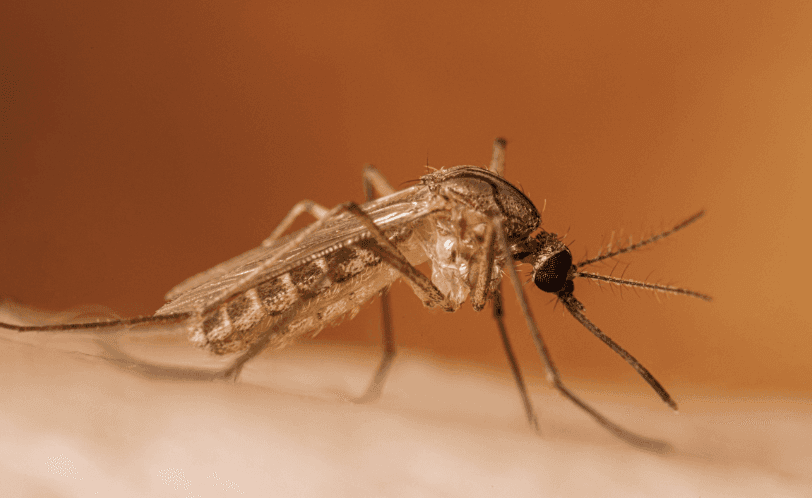
Elevated West Nile virus activity in mosquitoes—1,284 positive pools across all boroughs, nearly double last year’s pace—combined with just one confirmed neuroinvasive case among New York City residents as of late August is the main driver behind closely matched market-implied odds favoring under 20 or 20–34 cases for 2026. Recent annual averages of 25–31 neuroinvasive cases (2021–2025) reflect the roughly 1-in-150 infection rate that produces severe central-nervous-system illness, yet only a fraction of infections are detected. Peak transmission typically occurs through September, and intensified surveillance plus larviciding may limit further human cases despite widespread vector positivity. Trader consensus therefore hinges on whether current conditions produce a below-average or typical season before mosquito activity declines in October.
Resumen experimental generado por IA con datos de Polymarket. Esto no es asesoramiento de trading y no influye en cómo se resuelve este mercado. · Actualizado¿Cuántos casos de enfermedad neuroinvasiva del Nilo Occidental se notificarán entre los residentes de la ciudad de Nueva York en 2026?
¿Cuántos casos de enfermedad neuroinvasiva del Nilo Occidental se notificarán entre los residentes de la ciudad de Nueva York en 2026?
Menos de 20 43%
20 a 34 39%
35 a 49 16%
50 o más 7%
Menos de 20
43%
20 a 34
39%
35 a 49
16%
50 o más
7%
Menos de 20 43%
20 a 34 39%
35 a 49 16%
50 o más 7%
Menos de 20
43%
20 a 34
39%
35 a 49
16%
50 o más
7%
Cases are counted as whole numbers, so each outcome covers a distinct range with no overlap or gap.
The 2026 count shown on the source as of January 1, 2027 is the starting figure.
If the DOHMH publishes or revises the 2026 count on or after January 1, 2027, this market will resolve based on the count shown on the source at 11:59 PM ET on the 14th day after the first such update, or on March 31, 2027, 11:59 PM ET, whichever comes first. If no such update occurs, this market will resolve on March 31, 2027, 11:59 PM ET, based on the 2026 count shown on the source at that time.
If no 2026 count has been published on the source by March 31, 2027, 11:59 PM ET, this market will resolve based on the sum of 2026 West Nile neuroinvasive disease case counts reported by CDC ArboNET for the five New York City counties (Bronx, Kings, New York, Queens, and Richmond). Revisions published after this market resolves will not be considered. If the DOHMH changes its reporting format or URL structure, the closest equivalent NYC Health Department publication of 2026 West Nile neuroinvasive case data will be used.
Mercado abierto: Aug 20, 2026, 5:18 PM ET
Fuente de resolución
https://www.nyc.gov/site/doh/health/health-topics/west-nile-virus-reports.pageResolver
0x69c47De9D...Cases are counted as whole numbers, so each outcome covers a distinct range with no overlap or gap.
The 2026 count shown on the source as of January 1, 2027 is the starting figure.
If the DOHMH publishes or revises the 2026 count on or after January 1, 2027, this market will resolve based on the count shown on the source at 11:59 PM ET on the 14th day after the first such update, or on March 31, 2027, 11:59 PM ET, whichever comes first. If no such update occurs, this market will resolve on March 31, 2027, 11:59 PM ET, based on the 2026 count shown on the source at that time.
If no 2026 count has been published on the source by March 31, 2027, 11:59 PM ET, this market will resolve based on the sum of 2026 West Nile neuroinvasive disease case counts reported by CDC ArboNET for the five New York City counties (Bronx, Kings, New York, Queens, and Richmond). Revisions published after this market resolves will not be considered. If the DOHMH changes its reporting format or URL structure, the closest equivalent NYC Health Department publication of 2026 West Nile neuroinvasive case data will be used.
Fuente de resolución
https://www.nyc.gov/site/doh/health/health-topics/west-nile-virus-reports.pageResolver
0x69c47De9D...Elevated West Nile virus activity in mosquitoes—1,284 positive pools across all boroughs, nearly double last year’s pace—combined with just one confirmed neuroinvasive case among New York City residents as of late August is the main driver behind closely matched market-implied odds favoring under 20 or 20–34 cases for 2026. Recent annual averages of 25–31 neuroinvasive cases (2021–2025) reflect the roughly 1-in-150 infection rate that produces severe central-nervous-system illness, yet only a fraction of infections are detected. Peak transmission typically occurs through September, and intensified surveillance plus larviciding may limit further human cases despite widespread vector positivity. Trader consensus therefore hinges on whether current conditions produce a below-average or typical season before mosquito activity declines in October.
Resumen experimental generado por IA con datos de Polymarket. Esto no es asesoramiento de trading y no influye en cómo se resuelve este mercado. · Actualizado

Cuidado con los enlaces externos.
Cuidado con los enlaces externos.
Preguntas frecuentes