
Recent developments center on the collapse of the June 17 Islamabad Memorandum of Understanding, a 14-point framework that set a 60-day window (now expired) for talks on a ceasefire, Strait of Hormuz navigation, nuclear limits and IAEA inspections, sanctions relief, and a $300 billion reconstruction plan. Mutual violations, including disputes over port access, shipping routes, and Lebanese front deconfliction, halted progress by mid-August, with both sides accusing the other of non-compliance. Core sticking points remain Iran's nuclear stockpile and missile program, limits on support for regional groups, and the sequencing of sanctions termination versus verifiable concessions. Pakistan, Qatar, and Oman continue mediation efforts, though U.S. officials have signaled further economic measures and Iran has pursued separate Hormuz arrangements. Trader focus tracks whether these channels can revive elements of the MOU framework before further escalation.
Polymarket ডেটা রেফারেন্স করে পরীক্ষামূলক AI-জেনারেটেড সারাংশ। এটি ট্রেডিং পরামর্শ নয় এবং এই মার্কেট কীভাবে রেজলভ হয় তাতে কোনো ভূমিকা রাখে না। · আপডেটেডWhat will be in a US-Iran deal in 2026?
What will be in a US-Iran deal in 2026?
$728,799 Vol.

Iran Reconstruction Funding
16%

Dilution of Iran's Uranium
14%
1+ Year Enrichment Moratorium
13%

Uranium Enrichment % Cap (1+ Year)
12%
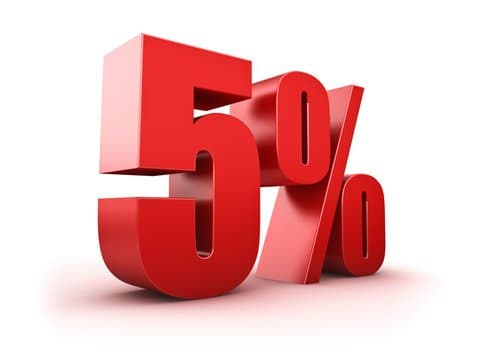
≤5% Uranium Enrichment Cap (1+ Year)
12%

Enriched Uranium Surrender
9%
$728,799 Vol.
Iran Reconstruction Funding
16%
Dilution of Iran's Uranium
14%
1+ Year Enrichment Moratorium
13%
Uranium Enrichment % Cap (1+ Year)
12%
≤5% Uranium Enrichment Cap (1+ Year)
12%
Enriched Uranium Surrender
9%
A qualifying written instrument must provide for any quantity of enriched uranium held by Iran to be downblended or diluted to a lower enrichment level. The establishment of an enrichment cap or an enrichment moratorium, without a commitment to downblend or dilute already enriched uranium, will not qualify.
The instrument must require the dilution to occur within Iran, or for the diluted material to be returned to Iranian control, having been dilated or downblended elsewhere. Iran need not carry out the downblending or dilution itself; a commitment for a third-party entity (e.g., the IAEA) to perform it will qualify. A commitment to remove enriched uranium from Iranian territory does not qualify, unless the terms of the instrument specifically require the uranium to be diluted and the resulting diluted material be returned to Iran’s possession or control.
The dilution or downblending of Iranian enriched uranium must be expressed as a presently-agreed obligation to be implemented. A presently-agreed obligation to dilute Iranian uranium will qualify, even if technical or procedural details, including the implementation schedule or exact dilution method, remain subject to future arrangements. A conditional commitment the substantive obligation of which remains explicitly subject to a future agreement, negotiation process, or mutually agreed follow-on instrument (e.g., a commitment to negotiate a dilution requirement in a future agreement) will not qualify. A commitment explicitly framed as a minimum requirement for a future negotiation, rather than a present obligation, will not qualify.
Unless the written instrument is formally adopted without signature as described below, the instrument must be signed by both the United States and Iran. Both parties must either sign the same document or sign individual documents that substantively and directly indicate acceptance of the same underlying instrument, regardless of minor formatting, wording, or translation differences between the signed versions. Both physical signatures and officially-issued electronic signatures will qualify as signatures.
If the written instrument is recognized by the United States and Iran as not requiring signature for execution, formal adoption of the instrument by both countries without signature will qualify. Formal adoption may be established by official actions, including:
(i) an official joint statement announcing that the United States and Iran have adopted, approved, executed, concluded, or otherwise finalized the instrument;
(ii) mutual official confirmation that the same published instrument has been agreed to, adopted, approved, executed, or concluded by both countries;
(iii) adoption, approval, or endorsement through an official resolution, ministerial decision, executive decision, or equivalent institutional act, where that act is the mechanism by which the relevant country adopts the instrument; or
(iv) an exchange of official diplomatic notes or letters confirming acceptance of the same instrument.
Whether an instrument qualifies will be primarily determined by its officially released text. A qualifying instrument must be signed or formally adopted by both the United States and Iran by the specified date, 11:59 PM ET. If an instrument is signed or formally adopted by that time, but the complete text has not been released, and genuine material ambiguity remains as to whether it satisfies this market’s requirements, this market may remain open for up to 28 calendar days after the specified date pending release of the text. If the text has still not been released after 28 calendar days, official and definitive announcements from the United States or Iran, and a consensus of credible reporting, will be used to determine whether the instrument qualifies.
An instrument to which parties other than the United States and Iran are also party will qualify, provided that both the United States and Iran are parties to the instrument and all other requirements are satisfied.
Once a diplomatic instrument has been signed or formally adopted without signature by both the United States and Iran and confirmed to satisfy the requirements of a qualifying written diplomatic instrument, this market’s condition is met, regardless of whether the instrument later enters into force, is ratified, receives legislative or treaty consent, or is subsequently repudiated, withdrawn from, or not implemented by the United States or Iran.
The primary resolution sources for this market will be official communications from the governments of the United States and Iran, or their authorized representatives. A consensus of credible reporting from major news agencies of record may also be used.
মার্কেট ওপেন হয়েছে: Jun 24, 2026, 11:18 AM ET
Resolver
0x65070BE91...A qualifying written instrument must provide for any quantity of enriched uranium held by Iran to be downblended or diluted to a lower enrichment level. The establishment of an enrichment cap or an enrichment moratorium, without a commitment to downblend or dilute already enriched uranium, will not qualify.
The instrument must require the dilution to occur within Iran, or for the diluted material to be returned to Iranian control, having been dilated or downblended elsewhere. Iran need not carry out the downblending or dilution itself; a commitment for a third-party entity (e.g., the IAEA) to perform it will qualify. A commitment to remove enriched uranium from Iranian territory does not qualify, unless the terms of the instrument specifically require the uranium to be diluted and the resulting diluted material be returned to Iran’s possession or control.
The dilution or downblending of Iranian enriched uranium must be expressed as a presently-agreed obligation to be implemented. A presently-agreed obligation to dilute Iranian uranium will qualify, even if technical or procedural details, including the implementation schedule or exact dilution method, remain subject to future arrangements. A conditional commitment the substantive obligation of which remains explicitly subject to a future agreement, negotiation process, or mutually agreed follow-on instrument (e.g., a commitment to negotiate a dilution requirement in a future agreement) will not qualify. A commitment explicitly framed as a minimum requirement for a future negotiation, rather than a present obligation, will not qualify.
Unless the written instrument is formally adopted without signature as described below, the instrument must be signed by both the United States and Iran. Both parties must either sign the same document or sign individual documents that substantively and directly indicate acceptance of the same underlying instrument, regardless of minor formatting, wording, or translation differences between the signed versions. Both physical signatures and officially-issued electronic signatures will qualify as signatures.
If the written instrument is recognized by the United States and Iran as not requiring signature for execution, formal adoption of the instrument by both countries without signature will qualify. Formal adoption may be established by official actions, including:
(i) an official joint statement announcing that the United States and Iran have adopted, approved, executed, concluded, or otherwise finalized the instrument;
(ii) mutual official confirmation that the same published instrument has been agreed to, adopted, approved, executed, or concluded by both countries;
(iii) adoption, approval, or endorsement through an official resolution, ministerial decision, executive decision, or equivalent institutional act, where that act is the mechanism by which the relevant country adopts the instrument; or
(iv) an exchange of official diplomatic notes or letters confirming acceptance of the same instrument.
Whether an instrument qualifies will be primarily determined by its officially released text. A qualifying instrument must be signed or formally adopted by both the United States and Iran by the specified date, 11:59 PM ET. If an instrument is signed or formally adopted by that time, but the complete text has not been released, and genuine material ambiguity remains as to whether it satisfies this market’s requirements, this market may remain open for up to 28 calendar days after the specified date pending release of the text. If the text has still not been released after 28 calendar days, official and definitive announcements from the United States or Iran, and a consensus of credible reporting, will be used to determine whether the instrument qualifies.
An instrument to which parties other than the United States and Iran are also party will qualify, provided that both the United States and Iran are parties to the instrument and all other requirements are satisfied.
Once a diplomatic instrument has been signed or formally adopted without signature by both the United States and Iran and confirmed to satisfy the requirements of a qualifying written diplomatic instrument, this market’s condition is met, regardless of whether the instrument later enters into force, is ratified, receives legislative or treaty consent, or is subsequently repudiated, withdrawn from, or not implemented by the United States or Iran.
The primary resolution sources for this market will be official communications from the governments of the United States and Iran, or their authorized representatives. A consensus of credible reporting from major news agencies of record may also be used.
Resolver
0x65070BE91...Recent developments center on the collapse of the June 17 Islamabad Memorandum of Understanding, a 14-point framework that set a 60-day window (now expired) for talks on a ceasefire, Strait of Hormuz navigation, nuclear limits and IAEA inspections, sanctions relief, and a $300 billion reconstruction plan. Mutual violations, including disputes over port access, shipping routes, and Lebanese front deconfliction, halted progress by mid-August, with both sides accusing the other of non-compliance. Core sticking points remain Iran's nuclear stockpile and missile program, limits on support for regional groups, and the sequencing of sanctions termination versus verifiable concessions. Pakistan, Qatar, and Oman continue mediation efforts, though U.S. officials have signaled further economic measures and Iran has pursued separate Hormuz arrangements. Trader focus tracks whether these channels can revive elements of the MOU framework before further escalation.
Polymarket ডেটা রেফারেন্স করে পরীক্ষামূলক AI-জেনারেটেড সারাংশ। এটি ট্রেডিং পরামর্শ নয় এবং এই মার্কেট কীভাবে রেজলভ হয় তাতে কোনো ভূমিকা রাখে না। · আপডেটেড


বাহ্যিক লিংক থেকে সাবধান।
বাহ্যিক লিংক থেকে সাবধান।
সচরাচর জিজ্ঞাসা