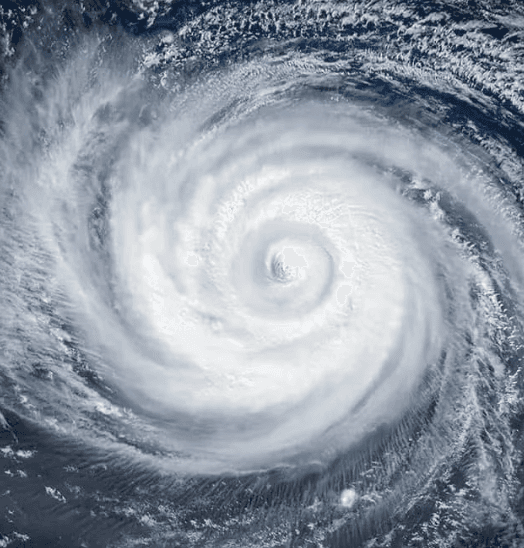
icon for 熱帶氣旋會在2026年8月登陸本州嗎?

熱帶氣旋會在2026年8月登陸本州嗎?

icon for 熱帶氣旋會在2026年8月登陸本州嗎?

熱帶氣旋會在2026年8月登陸本州嗎?

89% 機率
Polymarket
最新
89% 機率
Polymarket
最新
This market will resolve to "Yes" if a tropical cyclone makes landfall on Honshu, Japan between market creation and August 31, 2026, 11:59:59 PM ET. Otherwise, this market will resolve to "No". A landfall counts only if it occurs within this window; the time of the physical landfall governs, not the time any confirming advisory is issued. A tropical cyclone is a system classified by the Japan Meteorological Agency (JMA) as a tropical storm or stronger, meaning maximum sustained winds (10-minute average) of at least 34 knots (17.2 m/s), in the JMA advisory in effect immediately prior to the landfall. A system classified only as a tropical depression, or as extratropical, dissipated, or absorbed, at that time does not qualify. Landfall means the center of the tropical cyclone's circulation physically crosses the coastline of Honshu. A system whose center crosses the coastline only of Hokkaido, Kyushu, Shikoku, Okinawa, the Ryukyu Islands, or any smaller island, or that passes over or near Honshu without its center crossing the Honshu coastline, does not qualify. The primary resolution source for this market will be the Japan Meteorological Agency's position advisories (https://www.jma.go.jp/bosai/map.html#contents=typhoon&lang=en). If a JMA advisory plots the storm's center over Honshu, this market resolves "Yes" regardless of what other sources say. If no JMA advisory plots the center over Honshu but credible international news reporting confirms a crossing occurred between discrete advisory fixes, this market resolves "Yes", with classification taken from the most recently issued JMA advisory prior to the confirmed crossing time. Where a JMA advisory and credible reporting make contradictory claims about the storm's position at the same point in time, JMA is the default resolution source. Once a qualifying landfall is reported, this market may remain open for up to 36 hours to establish confirmation, after which it will resolve according to the latest JMA data. This market may resolve based on the initial JMA advisory reporting a qualifying landfall regardless of any later advisory, retraction, best-track revision, or reanalysis that changes the storm's classification or position at the time of landfall.Tropical Storm Chan-hom is currently tracking toward central Honshu and is forecast by the Japan Meteorological Agency to make landfall near the Tohoku or Kanto region on August 11, providing the dominant near-term driver for the 77.5% market-implied probability of at least one August landfall. The 2026 Pacific typhoon season has been unusually active, with 16 named storms by early August and above-normal formation expected through the month, increasing the chance of additional systems following recurving tracks into Japan. Official model guidance shows good agreement on Chan-hom’s path despite potential weakening from cooler sea-surface temperatures and dry-air entrainment before terrain interaction. Historical August climatology supports multiple approaches to Honshu, reinforcing trader consensus that the threshold will be met even if later storms deviate.

This market will resolve to "Yes" if a tropical cyclone makes landfall on Honshu, Japan between market creation and August 31, 2026, 11:59:59 PM ET. Otherwise, this market will resolve to "No". A landfall counts only if it occurs within this window; the time of the physical landfall governs, not the time any confirming advisory is issued.

A tropical cyclone is a system classified by the Japan Meteorological Agency (JMA) as a tropical storm or stronger, meaning maximum sustained winds (10-minute average) of at least 34 knots (17.2 m/s), in the JMA advisory in effect immediately prior to the landfall. A system classified only as a tropical depression, or as extratropical, dissipated, or absorbed, at that time does not qualify.

Landfall means the center of the tropical cyclone's circulation physically crosses the coastline of Honshu. A system whose center crosses the coastline only of Hokkaido, Kyushu, Shikoku, Okinawa, the Ryukyu Islands, or any smaller island, or that passes over or near Honshu without its center crossing the Honshu coastline, does not qualify.

The primary resolution source for this market will be the Japan Meteorological Agency's position advisories (https://www.jma.go.jp/bosai/map.html#contents=typhoon&lang=en). If a JMA advisory plots the storm's center over Honshu, this market resolves "Yes" regardless of what other sources say. If no JMA advisory plots the center over Honshu but credible international news reporting confirms a crossing occurred between discrete advisory fixes, this market resolves "Yes", with classification taken from the most recently issued JMA advisory prior to the confirmed crossing time. Where a JMA advisory and credible reporting make contradictory claims about the storm's position at the same point in time, JMA is the default resolution source.

Once a qualifying landfall is reported, this market may remain open for up to 36 hours to establish confirmation, after which it will resolve according to the latest JMA data. This market may resolve based on the initial JMA advisory reporting a qualifying landfall regardless of any later advisory, retraction, best-track revision, or reanalysis that changes the storm's classification or position at the time of landfall.
交易量
$252
結束日期
2026-09-01
市場開放時間
Aug 10, 2026, 11:27 AM ET
This market will resolve to "Yes" if a tropical cyclone makes landfall on Honshu, Japan between market creation and August 31, 2026, 11:59:59 PM ET. Otherwise, this market will resolve to "No". A landfall counts only if it occurs within this window; the time of the physical landfall governs, not the time any confirming advisory is issued. A tropical cyclone is a system classified by the Japan Meteorological Agency (JMA) as a tropical storm or stronger, meaning maximum sustained winds (10-minute average) of at least 34 knots (17.2 m/s), in the JMA advisory in effect immediately prior to the landfall. A system classified only as a tropical depression, or as extratropical, dissipated, or absorbed, at that time does not qualify. Landfall means the center of the tropical cyclone's circulation physically crosses the coastline of Honshu. A system whose center crosses the coastline only of Hokkaido, Kyushu, Shikoku, Okinawa, the Ryukyu Islands, or any smaller island, or that passes over or near Honshu without its center crossing the Honshu coastline, does not qualify. The primary resolution source for this market will be the Japan Meteorological Agency's position advisories (https://www.jma.go.jp/bosai/map.html#contents=typhoon&lang=en). If a JMA advisory plots the storm's center over Honshu, this market resolves "Yes" regardless of what other sources say. If no JMA advisory plots the center over Honshu but credible international news reporting confirms a crossing occurred between discrete advisory fixes, this market resolves "Yes", with classification taken from the most recently issued JMA advisory prior to the confirmed crossing time. Where a JMA advisory and credible reporting make contradictory claims about the storm's position at the same point in time, JMA is the default resolution source. Once a qualifying landfall is reported, this market may remain open for up to 36 hours to establish confirmation, after which it will resolve according to the latest JMA data. This market may resolve based on the initial JMA advisory reporting a qualifying landfall regardless of any later advisory, retraction, best-track revision, or reanalysis that changes the storm's classification or position at the time of landfall.
This market will resolve to "Yes" if a tropical cyclone makes landfall on Honshu, Japan between market creation and August 31, 2026, 11:59:59 PM ET. Otherwise, this market will resolve to "No". A landfall counts only if it occurs within this window; the time of the physical landfall governs, not the time any confirming advisory is issued. A tropical cyclone is a system classified by the Japan Meteorological Agency (JMA) as a tropical storm or stronger, meaning maximum sustained winds (10-minute average) of at least 34 knots (17.2 m/s), in the JMA advisory in effect immediately prior to the landfall. A system classified only as a tropical depression, or as extratropical, dissipated, or absorbed, at that time does not qualify. Landfall means the center of the tropical cyclone's circulation physically crosses the coastline of Honshu. A system whose center crosses the coastline only of Hokkaido, Kyushu, Shikoku, Okinawa, the Ryukyu Islands, or any smaller island, or that passes over or near Honshu without its center crossing the Honshu coastline, does not qualify. The primary resolution source for this market will be the Japan Meteorological Agency's position advisories (https://www.jma.go.jp/bosai/map.html#contents=typhoon&lang=en). If a JMA advisory plots the storm's center over Honshu, this market resolves "Yes" regardless of what other sources say. If no JMA advisory plots the center over Honshu but credible international news reporting confirms a crossing occurred between discrete advisory fixes, this market resolves "Yes", with classification taken from the most recently issued JMA advisory prior to the confirmed crossing time. Where a JMA advisory and credible reporting make contradictory claims about the storm's position at the same point in time, JMA is the default resolution source. Once a qualifying landfall is reported, this market may remain open for up to 36 hours to establish confirmation, after which it will resolve according to the latest JMA data. This market may resolve based on the initial JMA advisory reporting a qualifying landfall regardless of any later advisory, retraction, best-track revision, or reanalysis that changes the storm's classification or position at the time of landfall.Tropical Storm Chan-hom is currently tracking toward central Honshu and is forecast by the Japan Meteorological Agency to make landfall near the Tohoku or Kanto region on August 11, providing the dominant near-term driver for the 77.5% market-implied probability of at least one August landfall. The 2026 Pacific typhoon season has been unusually active, with 16 named storms by early August and above-normal formation expected through the month, increasing the chance of additional systems following recurving tracks into Japan. Official model guidance shows good agreement on Chan-hom’s path despite potential weakening from cooler sea-surface temperatures and dry-air entrainment before terrain interaction. Historical August climatology supports multiple approaches to Honshu, reinforcing trader consensus that the threshold will be met even if later storms deviate.

This market will resolve to "Yes" if a tropical cyclone makes landfall on Honshu, Japan between market creation and August 31, 2026, 11:59:59 PM ET. Otherwise, this market will resolve to "No". A landfall counts only if it occurs within this window; the time of the physical landfall governs, not the time any confirming advisory is issued.

A tropical cyclone is a system classified by the Japan Meteorological Agency (JMA) as a tropical storm or stronger, meaning maximum sustained winds (10-minute average) of at least 34 knots (17.2 m/s), in the JMA advisory in effect immediately prior to the landfall. A system classified only as a tropical depression, or as extratropical, dissipated, or absorbed, at that time does not qualify.

Landfall means the center of the tropical cyclone's circulation physically crosses the coastline of Honshu. A system whose center crosses the coastline only of Hokkaido, Kyushu, Shikoku, Okinawa, the Ryukyu Islands, or any smaller island, or that passes over or near Honshu without its center crossing the Honshu coastline, does not qualify.

The primary resolution source for this market will be the Japan Meteorological Agency's position advisories (https://www.jma.go.jp/bosai/map.html#contents=typhoon&lang=en). If a JMA advisory plots the storm's center over Honshu, this market resolves "Yes" regardless of what other sources say. If no JMA advisory plots the center over Honshu but credible international news reporting confirms a crossing occurred between discrete advisory fixes, this market resolves "Yes", with classification taken from the most recently issued JMA advisory prior to the confirmed crossing time. Where a JMA advisory and credible reporting make contradictory claims about the storm's position at the same point in time, JMA is the default resolution source.

Once a qualifying landfall is reported, this market may remain open for up to 36 hours to establish confirmation, after which it will resolve according to the latest JMA data. This market may resolve based on the initial JMA advisory reporting a qualifying landfall regardless of any later advisory, retraction, best-track revision, or reanalysis that changes the storm's classification or position at the time of landfall.
交易量
$252
結束日期
2026-09-01
市場開放時間
Aug 10, 2026, 11:27 AM ET
This market will resolve to "Yes" if a tropical cyclone makes landfall on Honshu, Japan between market creation and August 31, 2026, 11:59:59 PM ET. Otherwise, this market will resolve to "No". A landfall counts only if it occurs within this window; the time of the physical landfall governs, not the time any confirming advisory is issued. A tropical cyclone is a system classified by the Japan Meteorological Agency (JMA) as a tropical storm or stronger, meaning maximum sustained winds (10-minute average) of at least 34 knots (17.2 m/s), in the JMA advisory in effect immediately prior to the landfall. A system classified only as a tropical depression, or as extratropical, dissipated, or absorbed, at that time does not qualify. Landfall means the center of the tropical cyclone's circulation physically crosses the coastline of Honshu. A system whose center crosses the coastline only of Hokkaido, Kyushu, Shikoku, Okinawa, the Ryukyu Islands, or any smaller island, or that passes over or near Honshu without its center crossing the Honshu coastline, does not qualify. The primary resolution source for this market will be the Japan Meteorological Agency's position advisories (https://www.jma.go.jp/bosai/map.html#contents=typhoon&lang=en). If a JMA advisory plots the storm's center over Honshu, this market resolves "Yes" regardless of what other sources say. If no JMA advisory plots the center over Honshu but credible international news reporting confirms a crossing occurred between discrete advisory fixes, this market resolves "Yes", with classification taken from the most recently issued JMA advisory prior to the confirmed crossing time. Where a JMA advisory and credible reporting make contradictory claims about the storm's position at the same point in time, JMA is the default resolution source. Once a qualifying landfall is reported, this market may remain open for up to 36 hours to establish confirmation, after which it will resolve according to the latest JMA data. This market may resolve based on the initial JMA advisory reporting a qualifying landfall regardless of any later advisory, retraction, best-track revision, or reanalysis that changes the storm's classification or position at the time of landfall.

警惕外部連結哦。

Frequently Asked Questions

"熱帶氣旋會在2026年8月登陸本州嗎?" is a prediction market on Polymarket where traders buy and sell "Yes" or "No" shares based on whether they believe this event will happen. The current crowd-sourced probability is 78% for "Yes." For example, if "Yes" is priced at 78¢, the market collectively assigns a 78% chance that this event will occur. These odds shift continuously as traders react to new developments and information. Shares in the correct outcome are redeemable for $1 each upon market resolution.

"熱帶氣旋會在2026年8月登陸本州嗎?" is a newly created market on Polymarket, launched on Aug 10, 2026. As an early market, this is your opportunity to be among the first traders to set the odds and establish the market's initial price signals. You can also bookmark this page to track volume and trading activity as the market gains traction over time.

To trade on "熱帶氣旋會在2026年8月登陸本州嗎?," simply choose whether you believe the answer is "Yes" or "No." Each side has a current price that reflects the market's implied probability. Enter your amount and click "Trade." If you buy "Yes" shares and the outcome resolves as "Yes," each share pays out $1. If it resolves as "No," your "Yes" shares pay $0. You can also sell your shares at any time before resolution if you want to lock in a profit or cut a loss.

The current probability for "熱帶氣旋會在2026年8月登陸本州嗎?" is 78% for "Yes." This means the Polymarket crowd currently believes there is a 78% chance that this event will occur. These odds update in real-time based on actual trades, providing a continuously updated signal of what the market expects to happen.

The resolution rules for "熱帶氣旋會在2026年8月登陸本州嗎?" define exactly what needs to happen for each outcome to be declared a winner — including the official data sources used to determine the result. You can review the complete resolution criteria in the "Rules" section on this page above the comments. We recommend reading the rules carefully before trading, as they specify the precise conditions, edge cases, and sources that govern how this market is settled.