Le cessez-le-feu entre Israël et l'Iran se poursuit jusqu'au... ?
$2,353,911 Vol.
25 juil. 2026
20 juillet
$324,505 Vol.
100%
22 juillet
$756,407 Vol.
99%
25 juillet
$383,333 Vol.
73%
31 juillet
$404,045 Vol.
60%
15 août
$103,634 Vol.
44%
31 août
$136,214 Vol.
34%
$2,353,911 Vol.
20 juillet
$324,505 Vol.
100%
22 juillet
$756,407 Vol.
99%
25 juillet
$383,333 Vol.
73%
31 juillet
$404,045 Vol.
60%
15 août
$103,634 Vol.
44%
31 août
$136,214 Vol.
34%
This market will resolve to "Yes" if a state of ceasefire remains in effect between Israel and Iran through the listed date, 11:59 PM Iran Standard Time (IRST). Otherwise this market will resolve to “No”.
A state of ceasefire will be considered to no longer be in effect between Israel and Iran if either Israel or Iran takes a qualifying military action against the other country between market creation and the listed date, 11:59 PM IRST.
A qualifying military action refers to an air strike or a surface-to-surface missile strike, initiated by Israel or Iran, that directly impacts the other country. An air strike includes bombs, air-to-surface missiles, and air-launched drones. A surface-to-surface missile strike includes one-way attack drones and surface-to-surface missiles such as cruise or ballistic missiles.
The following actions do not constitute a qualifying military action:
Munitions destroyed or intercepted before impact;
Surface-to-air missile strikes;
Small-arms fire;
Ground incursions;
Cyber operations;
Naval gunfire and artillery fire;
Howitzers, artillery pieces, mortars, and rocket artillery (e.g. MLRS systems);
Minor surface-to-surface strikes, including short range loitering munitions, FPV drones, and ATGM strikes;
Any threat, authorization, or announcement of force that has not been executed.
Any munition that is intercepted or destroyed before impact does not constitute a qualifying military action. Debris, fragments, or any wreckage from intercepted munitions that land on Israel or Iran do not constitute a military action regardless of any damage incurred.
A military action will be considered to impact Israel or Iran if it directly impacts the terrestrial territory of Israel or Iran, including any internal waters. Maritime territory and airspace are not encompassed. Where territorial borders are disputed, all territory claimed by and under the de facto control of the relevant state as of market creation will qualify.
The occurrence, attribution, and timing of a qualifying military action will be primarily determined based on a consensus of information available from the resolution sources. Where multiple sources conflict regarding the occurrence, attribution, or timing of a relevant military action, this market will remain open until the earlier of: i) the confirmation of the occurrence, attribution, and timing of the action based on a consensus of information available from the resolution sources or ii) 3 full calendar days (IRST) from the date of the first credibly reported evidence of the action. If this period would extend past the end date, this market will remain open to allow for 3 full calendar days to pass. If, at the end of the third calendar day, conflicting reports remain as to the occurrence, attribution, or timing of the action, this market will resolve based on the totality of information available from the resolution sources at that time. No single statement, denial, or presentation of evidence will govern where it is contradicted by the totality of information.
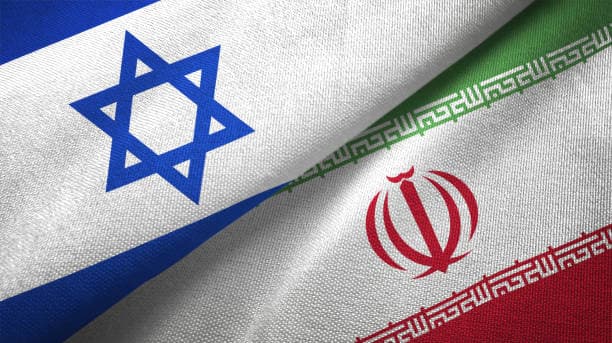
The resolution sources for this market will be official information from the governments and militaries of Israel and Iran and credible reporting.Recent escalations in the Strait of Hormuz have driven trader sentiment on the durability of any Israel-Iran ceasefire framework. Iranian forces struck multiple commercial vessels in early July, prompting U.S. Central Command strikes on Iranian military targets and President Trump’s July 8 declaration that the June Islamabad Memorandum truce had ended. Both sides have since exchanged further strikes, with U.S. operations expanding deeper into Iran and Iranian missile responses targeting regional U.S. positions. Israel has maintained high alert status and signaled readiness for independent action while conducting separate operations against Hezbollah in Lebanon, though it has not directly re-engaged Iranian territory in the latest exchanges. Negotiations on nuclear issues and a permanent settlement remain stalled amid mutual accusations of violations, with no scheduled diplomatic milestones in the immediate term that would restore the prior 60-day negotiation window.
This market will resolve to "Yes" if a state of ceasefire remains in effect between Israel and Iran through the listed date, 11:59 PM Iran Standard Time (IRST). Otherwise this market will resolve to “No”.
A state of ceasefire will be considered to no longer be in effect between Israel and Iran if either Israel or Iran takes a qualifying military action against the other country between market creation and the listed date, 11:59 PM IRST.
A qualifying military action refers to an air strike or a surface-to-surface missile strike, initiated by Israel or Iran, that directly impacts the other country. An air strike includes bombs, air-to-surface missiles, and air-launched drones. A surface-to-surface missile strike includes one-way attack drones and surface-to-surface missiles such as cruise or ballistic missiles.
The following actions do not constitute a qualifying military action: Munitions destroyed or intercepted before impact; Surface-to-air missile strikes; Small-arms fire; Ground incursions; Cyber operations; Naval gunfire and artillery fire; Howitzers, artillery pieces, mortars, and rocket artillery (e.g. MLRS systems); Minor surface-to-surface strikes, including short range loitering munitions, FPV drones, and ATGM strikes; Any threat, authorization, or announcement of force that has not been executed.
Any munition that is intercepted or destroyed before impact does not constitute a qualifying military action. Debris, fragments, or any wreckage from intercepted munitions that land on Israel or Iran do not constitute a military action regardless of any damage incurred.
A military action will be considered to impact Israel or Iran if it directly impacts the terrestrial territory of Israel or Iran, including any internal waters. Maritime territory and airspace are not encompassed. Where territorial borders are disputed, all territory claimed by and under the de facto control of the relevant state as of market creation will qualify.
The occurrence, attribution, and timing of a qualifying military action will be primarily determined based on a consensus of information available from the resolution sources. Where multiple sources conflict regarding the occurrence, attribution, or timing of a relevant military action, this market will remain open until the earlier of: i) the confirmation of the occurrence, attribution, and timing of the action based on a consensus of information available from the resolution sources or ii) 3 full calendar days (IRST) from the date of the first credibly reported evidence of the action. If this period would extend past the end date, this market will remain open to allow for 3 full calendar days to pass. If, at the end of the third calendar day, conflicting reports remain as to the occurrence, attribution, or timing of the action, this market will resolve based on the totality of information available from the resolution sources at that time. No single statement, denial, or presentation of evidence will govern where it is contradicted by the totality of information.
The resolution sources for this market will be official information from the governments and militaries of Israel and Iran and credible reporting.
This market will resolve to "Yes" if a state of ceasefire remains in effect between Israel and Iran through the listed date, 11:59 PM Iran Standard Time (IRST). Otherwise this market will resolve to “No”.
A state of ceasefire will be considered to no longer be in effect between Israel and Iran if either Israel or Iran takes a qualifying military action against the other country between market creation and the listed date, 11:59 PM IRST.
A qualifying military action refers to an air strike or a surface-to-surface missile strike, initiated by Israel or Iran, that directly impacts the other country. An air strike includes bombs, air-to-surface missiles, and air-launched drones. A surface-to-surface missile strike includes one-way attack drones and surface-to-surface missiles such as cruise or ballistic missiles.
The following actions do not constitute a qualifying military action:
Munitions destroyed or intercepted before impact;
Surface-to-air missile strikes;
Small-arms fire;
Ground incursions;
Cyber operations;
Naval gunfire and artillery fire;
Howitzers, artillery pieces, mortars, and rocket artillery (e.g. MLRS systems);
Minor surface-to-surface strikes, including short range loitering munitions, FPV drones, and ATGM strikes;
Any threat, authorization, or announcement of force that has not been executed.
Any munition that is intercepted or destroyed before impact does not constitute a qualifying military action. Debris, fragments, or any wreckage from intercepted munitions that land on Israel or Iran do not constitute a military action regardless of any damage incurred.
A military action will be considered to impact Israel or Iran if it directly impacts the terrestrial territory of Israel or Iran, including any internal waters. Maritime territory and airspace are not encompassed. Where territorial borders are disputed, all territory claimed by and under the de facto control of the relevant state as of market creation will qualify.
The occurrence, attribution, and timing of a qualifying military action will be primarily determined based on a consensus of information available from the resolution sources. Where multiple sources conflict regarding the occurrence, attribution, or timing of a relevant military action, this market will remain open until the earlier of: i) the confirmation of the occurrence, attribution, and timing of the action based on a consensus of information available from the resolution sources or ii) 3 full calendar days (IRST) from the date of the first credibly reported evidence of the action. If this period would extend past the end date, this market will remain open to allow for 3 full calendar days to pass. If, at the end of the third calendar day, conflicting reports remain as to the occurrence, attribution, or timing of the action, this market will resolve based on the totality of information available from the resolution sources at that time. No single statement, denial, or presentation of evidence will govern where it is contradicted by the totality of information.
The resolution sources for this market will be official information from the governments and militaries of Israel and Iran and credible reporting.
Recent escalations in the Strait of Hormuz have driven trader sentiment on the durability of any Israel-Iran ceasefire framework. Iranian forces struck multiple commercial vessels in early July, prompting U.S. Central Command strikes on Iranian military targets and President Trump’s July 8 declaration that the June Islamabad Memorandum truce had ended. Both sides have since exchanged further strikes, with U.S. operations expanding deeper into Iran and Iranian missile responses targeting regional U.S. positions. Israel has maintained high alert status and signaled readiness for independent action while conducting separate operations against Hezbollah in Lebanon, though it has not directly re-engaged Iranian territory in the latest exchanges. Negotiations on nuclear issues and a permanent settlement remain stalled amid mutual accusations of violations, with no scheduled diplomatic milestones in the immediate term that would restore the prior 60-day negotiation window.
Résumé expérimental généré par IA à partir des données Polymarket. Ceci n'est pas un conseil de trading et ne joue aucun rôle dans la résolution de ce marché. · Mis à jour
Jul 22 2026
US military reports 17 total deaths in Iran conflict amid ongoing strikes
July 22 jumps to 92%8%
By July 22, the US military reported a total of 17 deaths in the conflict with Iran, with ongoing strikes continuing. Despite this, Israel had not engaged in direct qualifying military actions against Iran, supporting market confidence that the Israel-Iran ceasefire would hold through July 22.
Jul 21 2026
US weighs 10-day ceasefire or full military campaign against Iran
July 22 rises to 94%3%
On July 21, 2026, reports indicated that US President Trump was considering accepting a 10-day ceasefire proposal or pursuing a broader military campaign with Israel against Iran. This uncertainty caused some market volatility but overall maintained optimism for a short-term ceasefire continuation, especially for the July 22 outcome.
Jul 21 2026
Iranian Interior Minister visits Pakistan to seek diplomatic revival
July 25 jumps to 81%6%
Iran's Interior Minister Eskandar Momeni visited Pakistan on July 21, 2026, to engage with mediators and seek renewed diplomatic efforts to salvage the ceasefire and negotiate a permanent solution. This diplomatic activity supported market confidence in the ceasefire holding through mid to late July.
Jul 20 2026
Mediators propose 10-day ceasefire to Iran to revive interim deal
July 22 jumps to 94%14%
On July 20, 2026, senior Iranian officials confirmed receiving a proposal from mediators for a 10-day ceasefire aimed at de-escalating the conflict and reviving the interim ceasefire agreement. This diplomatic development boosted market confidence significantly, reflected in sharp price increases for the July 20 and July 22 outcomes.
Jul 20 2026
Mediators propose 10-day ceasefire to revive interim Iran-US deal
July 20 jumps to 93%6%
On July 20, mediators passed Iran a proposal for a 10-day ceasefire aimed at reviving the interim deal signed in June. This diplomatic development reinforced market confidence in the Israel-Iran ceasefire holding through July 20 and beyond, as it suggested efforts to de-escalate the broader conflict were ongoing.
Jul 20 2026
Mediators propose 10-day truce to revive US-Iran ceasefire deal
July 25 jumps to 84%14%
On July 20, 2026, mediators presented Iran with a proposal for a 10-day truce aimed at reviving the interim ceasefire deal with the US, which included provisions affecting the broader conflict involving Israel. This diplomatic development reinforced market expectations that the ceasefire between Israel and Iran would continue through the near term dates.
Jul 20 2026
Regional mediators present 10-day ceasefire proposal to Iran and US
July 20 jumps to 99%9%
On July 20, 2026, mediators including Qatar, Egypt, and Pakistan presented a 10-day truce proposal aimed at reviving the interim ceasefire deal between Iran and the US, which also affected the broader conflict involving Israel. This diplomatic development reinforced market expectations that the ceasefire would continue through near-term dates.
Jul 20 2026
Mediators present Iran with 10-day truce proposal to revive interim ceasefire
July 20 rises to 96%3%
On July 20, 2026, regional mediators including Qatar, Egypt, and Pakistan presented Iran with a proposal for a 10-day truce aimed at reviving the interim ceasefire deal with the US, which included provisions affecting the broader conflict involving Israel. This diplomatic development reinforced market expectations that the ceasefire between Israel and Iran would continue through the near-term dates.
Jul 19 2026
US launches ninth consecutive night of strikes on Iran; Iran retaliates against US bases
July 20 jumps to 99%7%
On July 19, 2026, the US conducted a ninth consecutive night of strikes on Iran, while Iran retaliated by firing missiles at US bases and Gulf nations. However, no direct qualifying military actions occurred between Israel and Iran, sustaining market confidence in the ceasefire continuation through July 20.
Jul 19 2026
US Central Command shares video of ninth consecutive night of strikes on Iran
July 20 rises to 90%4%
On July 19, 2026, US Central Command released footage showing ongoing strikes against Iran, signaling sustained US military pressure. Iran refrained from direct attacks on Israel but continued missile barrages against US allies. Israel remained cautious, not directly engaging Iran, which supported market confidence that the Israel-Iran ceasefire remained intact through near-term dates.
Jul 19 2026
US and Iran exchange strikes; Israel and Iran maintain ceasefire
July 20 jumps to 99%11%
On July 19, 2026, the US launched a ninth consecutive night of strikes on Iran, while Iran retaliated by firing missiles at US bases and Gulf nations. However, no direct military actions qualifying as ceasefire violations occurred between Israel and Iran, sustaining market confidence in the ceasefire continuing through July 20 and beyond.
Jul 18 2026
Israel refrains from strikes on Iran amid ongoing US-Iran conflict
July 18 jumps to 100%7%
Despite ongoing US strikes on Iran and Iranian threats, Israel did not engage in military actions against Iran on July 18, 2026, reinforcing market confidence that the Israel-Iran ceasefire would hold through this date.
Jul 18 2026
Israel abstains from strikes on Iran as ceasefire frays between US and Tehran
July 20 surges to 99%48%
Despite the breakdown of a fragile ceasefire between Washington and Tehran, Israel did not participate in recent strikes on Iran, and Iran refrained from attacking Israel. This absence of qualifying military actions between Israel and Iran supported the market's rising confidence in the ceasefire holding through July 20.
Jul 18 2026
US sends additional warplanes to Middle East as conflict with Iran intensifies
July 22 surges to 92%42%
Reports on July 18 indicated the US was deploying more warplanes, including F-35 and F-16 jets, to the Middle East to counter Iranian missile and radar capabilities. This military buildup heightened regional tensions but did not constitute a direct Israel-Iran strike, maintaining market optimism for the ceasefire continuation through July 22.
Jul 17 2026
US launches strikes on Iranian military and surveillance sites amid rising tensions
July 20 surges to 92%41%
On July 17, the US conducted strikes on Iranian coastal surveillance, air defense sites, and military infrastructure, including the destruction of a port surveillance tower used to track commercial vessels. These actions escalated tensions but did not involve direct military action between Israel and Iran, supporting market confidence that the Israel-Iran ceasefire remained intact for near-term dates.
Jul 17 2026
US launches multiple strikes on Iran amid escalating conflict
July 20 surges to 78%27%
On July 17, 2026, the US military conducted strikes on Iranian military targets, marking continued hostilities after the collapse of the ceasefire earlier in July. These strikes increased tensions but did not directly involve Israel in attacks on Iran, maintaining the fragile ceasefire status between Israel and Iran. The market reflected uncertainty but maintained moderate confidence in the ceasefire holding through short-term dates.
Jul 17 2026
US sends dozens of refueling aircraft to Israel amid rising tensions with Iran
July 18 surges to 96%46%
On July 17, 2026, the US deployed additional refueling aircraft to Israel, signaling preparedness for potential escalation but no direct Israeli military action against Iran occurred. This bolstered market confidence that the ceasefire between Israel and Iran remained intact as Israel refrained from strikes during this period.
Jul 17 2026
US deploys additional refueling aircraft to Israel amid regional tensions
July 18 surges to 96%46%
On July 17, 2026, the US sent dozens of refueling aircraft to Israel signaling preparedness for potential escalation, but no direct Israeli military action against Iran occurred, supporting market confidence in the ceasefire continuation.
This market will resolve to "Yes" if a state of ceasefire remains in effect between Israel and Iran through the listed date, 11:59 PM Iran Standard Time (IRST). Otherwise this market will resolve to “No”.
A state of ceasefire will be considered to no longer be in effect between Israel and Iran if either Israel or Iran takes a qualifying military action against the other country between market creation and the listed date, 11:59 PM IRST.
A qualifying military action refers to an air strike or a surface-to-surface missile strike, initiated by Israel or Iran, that directly impacts the other country. An air strike includes bombs, air-to-surface missiles, and air-launched drones. A surface-to-surface missile strike includes one-way attack drones and surface-to-surface missiles such as cruise or ballistic missiles.
The following actions do not constitute a qualifying military action:
Munitions destroyed or intercepted before impact;
Surface-to-air missile strikes;
Small-arms fire;
Ground incursions;
Cyber operations;
Naval gunfire and artillery fire;
Howitzers, artillery pieces, mortars, and rocket artillery (e.g. MLRS systems);
Minor surface-to-surface strikes, including short range loitering munitions, FPV drones, and ATGM strikes;
Any threat, authorization, or announcement of force that has not been executed.
Any munition that is intercepted or destroyed before impact does not constitute a qualifying military action. Debris, fragments, or any wreckage from intercepted munitions that land on Israel or Iran do not constitute a military action regardless of any damage incurred.
A military action will be considered to impact Israel or Iran if it directly impacts the terrestrial territory of Israel or Iran, including any internal waters. Maritime territory and airspace are not encompassed. Where territorial borders are disputed, all territory claimed by and under the de facto control of the relevant state as of market creation will qualify.
The occurrence, attribution, and timing of a qualifying military action will be primarily determined based on a consensus of information available from the resolution sources. Where multiple sources conflict regarding the occurrence, attribution, or timing of a relevant military action, this market will remain open until the earlier of: i) the confirmation of the occurrence, attribution, and timing of the action based on a consensus of information available from the resolution sources or ii) 3 full calendar days (IRST) from the date of the first credibly reported evidence of the action. If this period would extend past the end date, this market will remain open to allow for 3 full calendar days to pass. If, at the end of the third calendar day, conflicting reports remain as to the occurrence, attribution, or timing of the action, this market will resolve based on the totality of information available from the resolution sources at that time. No single statement, denial, or presentation of evidence will govern where it is contradicted by the totality of information.
The resolution sources for this market will be official information from the governments and militaries of Israel and Iran and credible reporting.Recent escalations in the Strait of Hormuz have driven trader sentiment on the durability of any Israel-Iran ceasefire framework. Iranian forces struck multiple commercial vessels in early July, prompting U.S. Central Command strikes on Iranian military targets and President Trump’s July 8 declaration that the June Islamabad Memorandum truce had ended. Both sides have since exchanged further strikes, with U.S. operations expanding deeper into Iran and Iranian missile responses targeting regional U.S. positions. Israel has maintained high alert status and signaled readiness for independent action while conducting separate operations against Hezbollah in Lebanon, though it has not directly re-engaged Iranian territory in the latest exchanges. Negotiations on nuclear issues and a permanent settlement remain stalled amid mutual accusations of violations, with no scheduled diplomatic milestones in the immediate term that would restore the prior 60-day negotiation window.
This market will resolve to "Yes" if a state of ceasefire remains in effect between Israel and Iran through the listed date, 11:59 PM Iran Standard Time (IRST). Otherwise this market will resolve to “No”.
A state of ceasefire will be considered to no longer be in effect between Israel and Iran if either Israel or Iran takes a qualifying military action against the other country between market creation and the listed date, 11:59 PM IRST.
A qualifying military action refers to an air strike or a surface-to-surface missile strike, initiated by Israel or Iran, that directly impacts the other country. An air strike includes bombs, air-to-surface missiles, and air-launched drones. A surface-to-surface missile strike includes one-way attack drones and surface-to-surface missiles such as cruise or ballistic missiles.
The following actions do not constitute a qualifying military action: Munitions destroyed or intercepted before impact; Surface-to-air missile strikes; Small-arms fire; Ground incursions; Cyber operations; Naval gunfire and artillery fire; Howitzers, artillery pieces, mortars, and rocket artillery (e.g. MLRS systems); Minor surface-to-surface strikes, including short range loitering munitions, FPV drones, and ATGM strikes; Any threat, authorization, or announcement of force that has not been executed.
Any munition that is intercepted or destroyed before impact does not constitute a qualifying military action. Debris, fragments, or any wreckage from intercepted munitions that land on Israel or Iran do not constitute a military action regardless of any damage incurred.
A military action will be considered to impact Israel or Iran if it directly impacts the terrestrial territory of Israel or Iran, including any internal waters. Maritime territory and airspace are not encompassed. Where territorial borders are disputed, all territory claimed by and under the de facto control of the relevant state as of market creation will qualify.
The occurrence, attribution, and timing of a qualifying military action will be primarily determined based on a consensus of information available from the resolution sources. Where multiple sources conflict regarding the occurrence, attribution, or timing of a relevant military action, this market will remain open until the earlier of: i) the confirmation of the occurrence, attribution, and timing of the action based on a consensus of information available from the resolution sources or ii) 3 full calendar days (IRST) from the date of the first credibly reported evidence of the action. If this period would extend past the end date, this market will remain open to allow for 3 full calendar days to pass. If, at the end of the third calendar day, conflicting reports remain as to the occurrence, attribution, or timing of the action, this market will resolve based on the totality of information available from the resolution sources at that time. No single statement, denial, or presentation of evidence will govern where it is contradicted by the totality of information.
The resolution sources for this market will be official information from the governments and militaries of Israel and Iran and credible reporting.
This market will resolve to "Yes" if a state of ceasefire remains in effect between Israel and Iran through the listed date, 11:59 PM Iran Standard Time (IRST). Otherwise this market will resolve to “No”.
A state of ceasefire will be considered to no longer be in effect between Israel and Iran if either Israel or Iran takes a qualifying military action against the other country between market creation and the listed date, 11:59 PM IRST.
A qualifying military action refers to an air strike or a surface-to-surface missile strike, initiated by Israel or Iran, that directly impacts the other country. An air strike includes bombs, air-to-surface missiles, and air-launched drones. A surface-to-surface missile strike includes one-way attack drones and surface-to-surface missiles such as cruise or ballistic missiles.
The following actions do not constitute a qualifying military action:
Munitions destroyed or intercepted before impact;
Surface-to-air missile strikes;
Small-arms fire;
Ground incursions;
Cyber operations;
Naval gunfire and artillery fire;
Howitzers, artillery pieces, mortars, and rocket artillery (e.g. MLRS systems);
Minor surface-to-surface strikes, including short range loitering munitions, FPV drones, and ATGM strikes;
Any threat, authorization, or announcement of force that has not been executed.
Any munition that is intercepted or destroyed before impact does not constitute a qualifying military action. Debris, fragments, or any wreckage from intercepted munitions that land on Israel or Iran do not constitute a military action regardless of any damage incurred.
A military action will be considered to impact Israel or Iran if it directly impacts the terrestrial territory of Israel or Iran, including any internal waters. Maritime territory and airspace are not encompassed. Where territorial borders are disputed, all territory claimed by and under the de facto control of the relevant state as of market creation will qualify.
The occurrence, attribution, and timing of a qualifying military action will be primarily determined based on a consensus of information available from the resolution sources. Where multiple sources conflict regarding the occurrence, attribution, or timing of a relevant military action, this market will remain open until the earlier of: i) the confirmation of the occurrence, attribution, and timing of the action based on a consensus of information available from the resolution sources or ii) 3 full calendar days (IRST) from the date of the first credibly reported evidence of the action. If this period would extend past the end date, this market will remain open to allow for 3 full calendar days to pass. If, at the end of the third calendar day, conflicting reports remain as to the occurrence, attribution, or timing of the action, this market will resolve based on the totality of information available from the resolution sources at that time. No single statement, denial, or presentation of evidence will govern where it is contradicted by the totality of information.
The resolution sources for this market will be official information from the governments and militaries of Israel and Iran and credible reporting.
Recent escalations in the Strait of Hormuz have driven trader sentiment on the durability of any Israel-Iran ceasefire framework. Iranian forces struck multiple commercial vessels in early July, prompting U.S. Central Command strikes on Iranian military targets and President Trump’s July 8 declaration that the June Islamabad Memorandum truce had ended. Both sides have since exchanged further strikes, with U.S. operations expanding deeper into Iran and Iranian missile responses targeting regional U.S. positions. Israel has maintained high alert status and signaled readiness for independent action while conducting separate operations against Hezbollah in Lebanon, though it has not directly re-engaged Iranian territory in the latest exchanges. Negotiations on nuclear issues and a permanent settlement remain stalled amid mutual accusations of violations, with no scheduled diplomatic milestones in the immediate term that would restore the prior 60-day negotiation window.
Résumé expérimental généré par IA à partir des données Polymarket. Ceci n'est pas un conseil de trading et ne joue aucun rôle dans la résolution de ce marché. · Mis à jour
Jul 22 2026
US military reports 17 total deaths in Iran conflict amid ongoing strikes
July 22 jumps to 92%8%
By July 22, the US military reported a total of 17 deaths in the conflict with Iran, with ongoing strikes continuing. Despite this, Israel had not engaged in direct qualifying military actions against Iran, supporting market confidence that the Israel-Iran ceasefire would hold through July 22.
Jul 21 2026
US weighs 10-day ceasefire or full military campaign against Iran
July 22 rises to 94%3%
On July 21, 2026, reports indicated that US President Trump was considering accepting a 10-day ceasefire proposal or pursuing a broader military campaign with Israel against Iran. This uncertainty caused some market volatility but overall maintained optimism for a short-term ceasefire continuation, especially for the July 22 outcome.
Jul 21 2026
Iranian Interior Minister visits Pakistan to seek diplomatic revival
July 25 jumps to 81%6%
Iran's Interior Minister Eskandar Momeni visited Pakistan on July 21, 2026, to engage with mediators and seek renewed diplomatic efforts to salvage the ceasefire and negotiate a permanent solution. This diplomatic activity supported market confidence in the ceasefire holding through mid to late July.
Jul 20 2026
Mediators propose 10-day ceasefire to Iran to revive interim deal
July 22 jumps to 94%14%
On July 20, 2026, senior Iranian officials confirmed receiving a proposal from mediators for a 10-day ceasefire aimed at de-escalating the conflict and reviving the interim ceasefire agreement. This diplomatic development boosted market confidence significantly, reflected in sharp price increases for the July 20 and July 22 outcomes.
Jul 20 2026
Mediators propose 10-day ceasefire to revive interim Iran-US deal
July 20 jumps to 93%6%
On July 20, mediators passed Iran a proposal for a 10-day ceasefire aimed at reviving the interim deal signed in June. This diplomatic development reinforced market confidence in the Israel-Iran ceasefire holding through July 20 and beyond, as it suggested efforts to de-escalate the broader conflict were ongoing.
Jul 20 2026
Mediators propose 10-day truce to revive US-Iran ceasefire deal
July 25 jumps to 84%14%
On July 20, 2026, mediators presented Iran with a proposal for a 10-day truce aimed at reviving the interim ceasefire deal with the US, which included provisions affecting the broader conflict involving Israel. This diplomatic development reinforced market expectations that the ceasefire between Israel and Iran would continue through the near term dates.
Jul 20 2026
Regional mediators present 10-day ceasefire proposal to Iran and US
July 20 jumps to 99%9%
On July 20, 2026, mediators including Qatar, Egypt, and Pakistan presented a 10-day truce proposal aimed at reviving the interim ceasefire deal between Iran and the US, which also affected the broader conflict involving Israel. This diplomatic development reinforced market expectations that the ceasefire would continue through near-term dates.
Jul 20 2026
Mediators present Iran with 10-day truce proposal to revive interim ceasefire
July 20 rises to 96%3%
On July 20, 2026, regional mediators including Qatar, Egypt, and Pakistan presented Iran with a proposal for a 10-day truce aimed at reviving the interim ceasefire deal with the US, which included provisions affecting the broader conflict involving Israel. This diplomatic development reinforced market expectations that the ceasefire between Israel and Iran would continue through the near-term dates.
Jul 19 2026
US launches ninth consecutive night of strikes on Iran; Iran retaliates against US bases
July 20 jumps to 99%7%
On July 19, 2026, the US conducted a ninth consecutive night of strikes on Iran, while Iran retaliated by firing missiles at US bases and Gulf nations. However, no direct qualifying military actions occurred between Israel and Iran, sustaining market confidence in the ceasefire continuation through July 20.
Jul 19 2026
US Central Command shares video of ninth consecutive night of strikes on Iran
July 20 rises to 90%4%
On July 19, 2026, US Central Command released footage showing ongoing strikes against Iran, signaling sustained US military pressure. Iran refrained from direct attacks on Israel but continued missile barrages against US allies. Israel remained cautious, not directly engaging Iran, which supported market confidence that the Israel-Iran ceasefire remained intact through near-term dates.
Jul 19 2026
US and Iran exchange strikes; Israel and Iran maintain ceasefire
July 20 jumps to 99%11%
On July 19, 2026, the US launched a ninth consecutive night of strikes on Iran, while Iran retaliated by firing missiles at US bases and Gulf nations. However, no direct military actions qualifying as ceasefire violations occurred between Israel and Iran, sustaining market confidence in the ceasefire continuing through July 20 and beyond.
Jul 18 2026
Israel refrains from strikes on Iran amid ongoing US-Iran conflict
July 18 jumps to 100%7%
Despite ongoing US strikes on Iran and Iranian threats, Israel did not engage in military actions against Iran on July 18, 2026, reinforcing market confidence that the Israel-Iran ceasefire would hold through this date.
Jul 18 2026
Israel abstains from strikes on Iran as ceasefire frays between US and Tehran
July 20 surges to 99%48%
Despite the breakdown of a fragile ceasefire between Washington and Tehran, Israel did not participate in recent strikes on Iran, and Iran refrained from attacking Israel. This absence of qualifying military actions between Israel and Iran supported the market's rising confidence in the ceasefire holding through July 20.
Jul 18 2026
US sends additional warplanes to Middle East as conflict with Iran intensifies
July 22 surges to 92%42%
Reports on July 18 indicated the US was deploying more warplanes, including F-35 and F-16 jets, to the Middle East to counter Iranian missile and radar capabilities. This military buildup heightened regional tensions but did not constitute a direct Israel-Iran strike, maintaining market optimism for the ceasefire continuation through July 22.
Jul 17 2026
US launches strikes on Iranian military and surveillance sites amid rising tensions
July 20 surges to 92%41%
On July 17, the US conducted strikes on Iranian coastal surveillance, air defense sites, and military infrastructure, including the destruction of a port surveillance tower used to track commercial vessels. These actions escalated tensions but did not involve direct military action between Israel and Iran, supporting market confidence that the Israel-Iran ceasefire remained intact for near-term dates.
Jul 17 2026
US launches multiple strikes on Iran amid escalating conflict
July 20 surges to 78%27%
On July 17, 2026, the US military conducted strikes on Iranian military targets, marking continued hostilities after the collapse of the ceasefire earlier in July. These strikes increased tensions but did not directly involve Israel in attacks on Iran, maintaining the fragile ceasefire status between Israel and Iran. The market reflected uncertainty but maintained moderate confidence in the ceasefire holding through short-term dates.
Jul 17 2026
US sends dozens of refueling aircraft to Israel amid rising tensions with Iran
July 18 surges to 96%46%
On July 17, 2026, the US deployed additional refueling aircraft to Israel, signaling preparedness for potential escalation but no direct Israeli military action against Iran occurred. This bolstered market confidence that the ceasefire between Israel and Iran remained intact as Israel refrained from strikes during this period.
Jul 17 2026
US deploys additional refueling aircraft to Israel amid regional tensions
July 18 surges to 96%46%
On July 17, 2026, the US sent dozens of refueling aircraft to Israel signaling preparedness for potential escalation, but no direct Israeli military action against Iran occurred, supporting market confidence in the ceasefire continuation.
« Le cessez-le-feu entre Israël et l'Iran se poursuit jusqu'au... ? » est un marché de prédiction sur Polymarket avec 7 résultats possibles où les traders achètent et vendent des parts selon ce qu'ils pensent qu'il se passera. Le résultat en tête actuel est « 20 juillet » à 100%, suivi de « 18 juillet » à 100%. Les prix reflètent des probabilités en temps réel de la communauté. Par exemple, une part cotée à 100¢ implique que le marché attribue collectivement une probabilité de 100% à ce résultat. Ces cotes changent en permanence. Les parts du résultat correct sont échangeables contre $1 chacune lors de la résolution du marché.
À ce jour, « Le cessez-le-feu entre Israël et l'Iran se poursuit jusqu'au... ? » a généré $2.4 million en volume total de trading depuis le lancement du marché le Jul 16, 2026. Ce niveau d'activité reflète un fort engagement de la communauté Polymarket et garantit que les cotes actuelles sont alimentées par un large bassin de participants. Vous pouvez suivre les mouvements de prix en direct et trader sur n'importe quel résultat directement sur cette page.
Pour trader sur « Le cessez-le-feu entre Israël et l'Iran se poursuit jusqu'au... ? », parcourez les 7 résultats disponibles sur cette page. Chaque résultat affiche un prix actuel représentant la probabilité implicite du marché. Pour prendre position, sélectionnez le résultat que vous estimez le plus probable, choisissez « Oui » pour trader en sa faveur ou « Non » pour trader contre, entrez votre montant et cliquez sur « Trader ». Si votre résultat choisi est correct lors de la résolution, vos parts « Oui » rapportent $1 chacune. S'il est incorrect, elles rapportent $0. Vous pouvez également vendre vos parts avant la résolution.
Le favori actuel pour « Le cessez-le-feu entre Israël et l'Iran se poursuit jusqu'au... ? » est « 20 juillet » à 100%, ce qui signifie que le marché attribue une probabilité de 100% à ce résultat. Le résultat le plus proche ensuite est « 18 juillet » à 100%. Ces cotes sont mises à jour en temps réel à mesure que les traders achètent et vendent des parts. Revenez fréquemment ou ajoutez cette page à vos favoris.
Les règles de résolution de « Le cessez-le-feu entre Israël et l'Iran se poursuit jusqu'au... ? » définissent exactement ce qui doit se produire pour que chaque résultat soit déclaré gagnant, y compris les sources de données officielles utilisées pour déterminer le résultat. Vous pouvez consulter les critères de résolution complets dans la section « Règles » sur cette page au-dessus des commentaires. Nous recommandons de lire attentivement les règles avant de trader, car elles précisent les conditions exactes, les cas particuliers et les sources.
Oui. Vous n'avez pas besoin de trader pour rester informé. Cette page sert de suivi en direct pour « Le cessez-le-feu entre Israël et l'Iran se poursuit jusqu'au... ? ». Les probabilités des résultats sont mises à jour en temps réel à mesure que de nouvelles transactions arrivent. Vous pouvez ajouter cette page à vos favoris et consulter la section commentaires pour voir ce que disent les autres traders. Vous pouvez également utiliser les filtres de plage temporelle sur le graphique pour voir comment les cotes ont évolué au fil du temps.
Les cotes de Polymarket sont fixées par de vrais traders qui mettent de l'argent réel derrière leurs convictions, ce qui tend à produire des prédictions précises. Avec $2.4 million échangés sur « Le cessez-le-feu entre Israël et l'Iran se poursuit jusqu'au... ? », ces prix agrègent les connaissances collectives et la conviction de milliers de participants — surpassant souvent les sondages, les prévisions d’experts et les enquêtes traditionnelles. Les marchés de prédiction comme Polymarket ont un solide historique de précision, surtout à mesure que les événements approchent de leur date de résolution. Par exemple, Polymarket a un score de précision sur un mois de 94%. Pour les dernières statistiques sur la précision des prédictions de Polymarket, visitez la page de précision sur Polymarket.
Pour placer votre première transaction sur « Le cessez-le-feu entre Israël et l'Iran se poursuit jusqu'au... ? », inscrivez-vous pour un compte Polymarket gratuit et approvisionnez-le en utilisant des cryptomonnaies, une carte de crédit ou débit, ou un virement bancaire. Une fois votre compte approvisionné, revenez sur cette page, sélectionnez le résultat sur lequel vous souhaitez trader, entrez votre montant et cliquez sur « Trader ». Si vous êtes nouveau dans les marchés de prédiction, cliquez sur le lien « Comment ça marche » en haut de n'importe quelle page Polymarket pour un guide étape par étape.
Sur Polymarket, le prix de chaque résultat représente la probabilité implicite du marché. Un prix de 100¢ pour « 20 juillet » sur le marché « Le cessez-le-feu entre Israël et l'Iran se poursuit jusqu'au... ? » signifie que les traders estiment collectivement qu'il y a environ une probabilité de 100% que « 20 juillet » sera le résultat correct. Si vous achetez des parts « Oui » à 100¢ et que le résultat est correct, vous recevez $1,00 par part — un gain de 0¢ par part. S'il est incorrect, ces parts valent $0.
Le marché « Le cessez-le-feu entre Israël et l'Iran se poursuit jusqu'au... ? » est prévu pour être résolu autour du Aug 31, 2026. Cela signifie que le trading restera ouvert et les cotes continueront d'évoluer jusqu'à cette date. Le moment exact de la résolution dépend de la disponibilité du résultat officiel, comme décrit dans la section « Règles ».
Le marché « Le cessez-le-feu entre Israël et l'Iran se poursuit jusqu'au... ? » a une communauté active de 17 commentaires où les traders partagent leurs analyses, débattent des résultats et discutent des derniers développements. Faites défiler jusqu'à la section commentaires ci-dessous pour lire ce que pensent les autres participants. Vous pouvez également filtrer par « Principaux détenteurs » ou consulter l'onglet « Activité » pour un flux en temps réel des transactions.
Polymarket est le plus grand marché de prédiction au monde, où vous pouvez rester informé et profiter de vos connaissances sur les événements du monde réel. Les traders achètent et vendent des parts sur des résultats allant de la politique et des élections aux cryptomonnaies, finances, sports, technologie et culture, y compris des marchés comme « Le cessez-le-feu entre Israël et l'Iran se poursuit jusqu'au... ? ». Les prix reflètent des probabilités en temps réel soutenues par une conviction financière, fournissant souvent des signaux plus rapides et plus précis que les sondages, les commentateurs ou les enquêtes traditionnelles.


Méfiez-vous des liens externes.
Méfiez-vous des liens externes.
Questions fréquentes