icon for Ändert sich die 1,5°C-Frist der Climate Clock bis zum...?

Ändert sich die 1,5°C-Frist der Climate Clock bis zum...?

icon for Ändert sich die 1,5°C-Frist der Climate Clock bis zum...?

Ändert sich die 1,5°C-Frist der Climate Clock bis zum...?

10% Chance
Polymarket

$12,623 Vol.

10% Chance
Polymarket

$12,623 Vol.

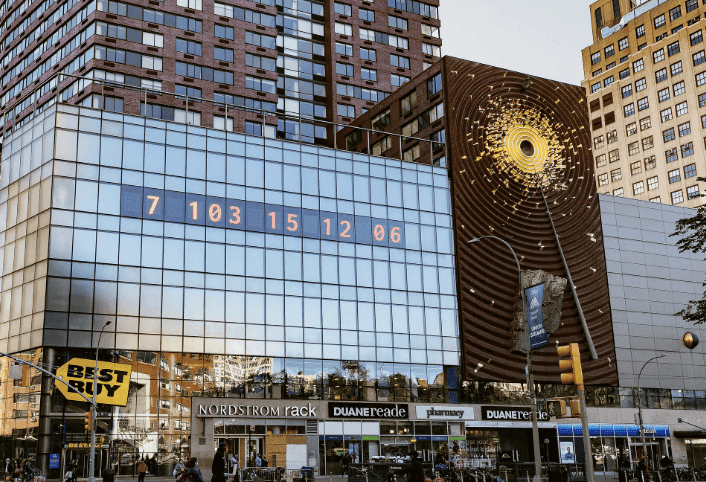
Each market asks whether the “Deadline” to limit global warming to 1.5°C shown by the Climate Clock (https://climateclock.world) will change before that market's listed date. A market resolves to “Yes” if, at any point on or before its listed date, 11:59 PM ET, the Climate Clock's published 1.5°C Deadline is more than 30 days earlier or more than 30 days later than July 22, 2029. Otherwise, that market resolves to “No”. The Climate Clock's 1.5°C Deadline is published as a machine-readable timestamp in its public data feed at https://api.climateclock.world/v2/clock.json (the “timestamp” value of the carbon-deadline module), which is the same target the on-site countdown at https://climateclock.world displays. As of this market's creation, that Deadline is July 22, 2029 (timestamp 2029-07-22T16:00:00+00:00). The ordinary second-by-second ticking of the countdown toward the Deadline does not constitute a change; only a change to the published Deadline date itself qualifies. Because a qualifying change is permanent once published, every market with a listed date on or after the change will resolve “Yes”, and markets whose listed date has already passed without a qualifying change will have resolved “No”. If the Climate Clock and its public data feed both become permanently unavailable before a qualifying change is published, all unresolved markets will resolve to “No”.Strong trader consensus around a 90.5% implied probability of no change to the Climate Clock's July 22, 2029 deadline by year-end 2026 stems primarily from the clock's reliance on stable carbon budget estimates anchored to IPCC AR6 and Global Carbon Project data, combined with its infrequent revision cadence. Annual or quarterly updates adjust for recent emissions trends near 40–42 GtCO₂, but these rarely shift the deadline by more than 30 days without major new scientific inputs. No IPCC assessment or comprehensive budget recalculation is scheduled before late 2026, and current observational data show steady rather than abrupt emissions trajectories. A realistic challenge could arise from an unforeseen large-scale mitigation breakthrough or a peer-reviewed revision to remaining budgets that prompts an immediate model reset.

Each market asks whether the “Deadline” to limit global warming to 1.5°C shown by the Climate Clock (https://climateclock.world) will change before that market's listed date.

A market resolves to “Yes” if, at any point on or before its listed date, 11:59 PM ET, the Climate Clock's published 1.5°C Deadline is more than 30 days earlier or more than 30 days later than July 22, 2029. Otherwise, that market resolves to “No”.

The Climate Clock's 1.5°C Deadline is published as a machine-readable timestamp in its public data feed at https://api.climateclock.world/v2/clock.json (the “timestamp” value of the carbon-deadline module), which is the same target the on-site countdown at https://climateclock.world displays. As of this market's creation, that Deadline is July 22, 2029 (timestamp 2029-07-22T16:00:00+00:00). The ordinary second-by-second ticking of the countdown toward the Deadline does not constitute a change; only a change to the published Deadline date itself qualifies.

Because a qualifying change is permanent once published, every market with a listed date on or after the change will resolve “Yes”, and markets whose listed date has already passed without a qualifying change will have resolved “No”. If the Climate Clock and its public data feed both become permanently unavailable before a qualifying change is published, all unresolved markets will resolve to “No”.
Volumen
$12,623
Enddatum
31. Dez. 2029
Markt eröffnet
Aug 19, 2026, 6:40 PM ET
Each market asks whether the “Deadline” to limit global warming to 1.5°C shown by the Climate Clock (https://climateclock.world) will change before that market's listed date. A market resolves to “Yes” if, at any point on or before its listed date, 11:59 PM ET, the Climate Clock's published 1.5°C Deadline is more than 30 days earlier or more than 30 days later than July 22, 2029. Otherwise, that market resolves to “No”. The Climate Clock's 1.5°C Deadline is published as a machine-readable timestamp in its public data feed at https://api.climateclock.world/v2/clock.json (the “timestamp” value of the carbon-deadline module), which is the same target the on-site countdown at https://climateclock.world displays. As of this market's creation, that Deadline is July 22, 2029 (timestamp 2029-07-22T16:00:00+00:00). The ordinary second-by-second ticking of the countdown toward the Deadline does not constitute a change; only a change to the published Deadline date itself qualifies. Because a qualifying change is permanent once published, every market with a listed date on or after the change will resolve “Yes”, and markets whose listed date has already passed without a qualifying change will have resolved “No”. If the Climate Clock and its public data feed both become permanently unavailable before a qualifying change is published, all unresolved markets will resolve to “No”.
Each market asks whether the “Deadline” to limit global warming to 1.5°C shown by the Climate Clock (https://climateclock.world) will change before that market's listed date. A market resolves to “Yes” if, at any point on or before its listed date, 11:59 PM ET, the Climate Clock's published 1.5°C Deadline is more than 30 days earlier or more than 30 days later than July 22, 2029. Otherwise, that market resolves to “No”. The Climate Clock's 1.5°C Deadline is published as a machine-readable timestamp in its public data feed at https://api.climateclock.world/v2/clock.json (the “timestamp” value of the carbon-deadline module), which is the same target the on-site countdown at https://climateclock.world displays. As of this market's creation, that Deadline is July 22, 2029 (timestamp 2029-07-22T16:00:00+00:00). The ordinary second-by-second ticking of the countdown toward the Deadline does not constitute a change; only a change to the published Deadline date itself qualifies. Because a qualifying change is permanent once published, every market with a listed date on or after the change will resolve “Yes”, and markets whose listed date has already passed without a qualifying change will have resolved “No”. If the Climate Clock and its public data feed both become permanently unavailable before a qualifying change is published, all unresolved markets will resolve to “No”.Strong trader consensus around a 90.5% implied probability of no change to the Climate Clock's July 22, 2029 deadline by year-end 2026 stems primarily from the clock's reliance on stable carbon budget estimates anchored to IPCC AR6 and Global Carbon Project data, combined with its infrequent revision cadence. Annual or quarterly updates adjust for recent emissions trends near 40–42 GtCO₂, but these rarely shift the deadline by more than 30 days without major new scientific inputs. No IPCC assessment or comprehensive budget recalculation is scheduled before late 2026, and current observational data show steady rather than abrupt emissions trajectories. A realistic challenge could arise from an unforeseen large-scale mitigation breakthrough or a peer-reviewed revision to remaining budgets that prompts an immediate model reset.

Each market asks whether the “Deadline” to limit global warming to 1.5°C shown by the Climate Clock (https://climateclock.world) will change before that market's listed date.

A market resolves to “Yes” if, at any point on or before its listed date, 11:59 PM ET, the Climate Clock's published 1.5°C Deadline is more than 30 days earlier or more than 30 days later than July 22, 2029. Otherwise, that market resolves to “No”.

The Climate Clock's 1.5°C Deadline is published as a machine-readable timestamp in its public data feed at https://api.climateclock.world/v2/clock.json (the “timestamp” value of the carbon-deadline module), which is the same target the on-site countdown at https://climateclock.world displays. As of this market's creation, that Deadline is July 22, 2029 (timestamp 2029-07-22T16:00:00+00:00). The ordinary second-by-second ticking of the countdown toward the Deadline does not constitute a change; only a change to the published Deadline date itself qualifies.

Because a qualifying change is permanent once published, every market with a listed date on or after the change will resolve “Yes”, and markets whose listed date has already passed without a qualifying change will have resolved “No”. If the Climate Clock and its public data feed both become permanently unavailable before a qualifying change is published, all unresolved markets will resolve to “No”.
Volumen
$12,623
Enddatum
1. Jan. 2027
Markt eröffnet
Aug 19, 2026, 6:40 PM ET
Each market asks whether the “Deadline” to limit global warming to 1.5°C shown by the Climate Clock (https://climateclock.world) will change before that market's listed date. A market resolves to “Yes” if, at any point on or before its listed date, 11:59 PM ET, the Climate Clock's published 1.5°C Deadline is more than 30 days earlier or more than 30 days later than July 22, 2029. Otherwise, that market resolves to “No”. The Climate Clock's 1.5°C Deadline is published as a machine-readable timestamp in its public data feed at https://api.climateclock.world/v2/clock.json (the “timestamp” value of the carbon-deadline module), which is the same target the on-site countdown at https://climateclock.world displays. As of this market's creation, that Deadline is July 22, 2029 (timestamp 2029-07-22T16:00:00+00:00). The ordinary second-by-second ticking of the countdown toward the Deadline does not constitute a change; only a change to the published Deadline date itself qualifies. Because a qualifying change is permanent once published, every market with a listed date on or after the change will resolve “Yes”, and markets whose listed date has already passed without a qualifying change will have resolved “No”. If the Climate Clock and its public data feed both become permanently unavailable before a qualifying change is published, all unresolved markets will resolve to “No”.

Vorsicht bei externen Links.

Häufig gestellte Fragen

„Ändert sich die 1,5°C-Frist der Climate Clock bis zum...?" ist ein Prognosemarkt auf Polymarket, auf dem Händler „Ja"- oder „Nein"-Anteile kaufen und verkaufen, je nachdem, ob sie glauben, dass dieses Ereignis eintreten wird. Die aktuelle Wahrscheinlichkeit laut Community liegt bei 10% für „Yes". Wird „Ja" beispielsweise bei 10¢ gehandelt, schätzt der Markt die Wahrscheinlichkeit des Eintretens auf 10%. Diese Quoten ändern sich laufend, wenn Händler auf neue Entwicklungen und Informationen reagieren. Anteile am richtigen Ergebnis können bei Marktauflösung für jeweils $1 eingelöst werden.

Stand heute hat „Ändert sich die 1,5°C-Frist der Climate Clock bis zum...?" ein Gesamthandelsvolumen von $12.6K generiert, seit der Markt am Aug 19, 2026 gestartet wurde. Dieses Aktivitätsniveau spiegelt starkes Engagement der Polymarket-Community wider und stellt sicher, dass die aktuellen Quoten von einem breiten Pool an Marktteilnehmern geprägt werden. Sie können Live-Preisbewegungen verfolgen und direkt auf dieser Seite auf jedes Ergebnis handeln.

Um auf „Ändert sich die 1,5°C-Frist der Climate Clock bis zum...?" zu handeln, wählen Sie einfach, ob Sie glauben, dass die Antwort „Ja" oder „Nein" lautet. Jede Seite hat einen aktuellen Preis, der die implizierte Wahrscheinlichkeit des Marktes widerspiegelt. Geben Sie Ihren Betrag ein und klicken Sie auf „Handeln". Wenn Sie „Ja"-Anteile kaufen und das Ergebnis als „Ja" aufgelöst wird, zahlt jeder Anteil $1 aus. Wird es als „Nein" aufgelöst, zahlen Ihre „Ja"-Anteile $0. Sie können Ihre Anteile auch jederzeit vor der Auflösung verkaufen, um einen Gewinn zu sichern oder einen Verlust zu begrenzen.

Die aktuelle Wahrscheinlichkeit für „Ändert sich die 1,5°C-Frist der Climate Clock bis zum...?" liegt bei 10% für „Yes". Das bedeutet, die Polymarket-Community glaubt derzeit, dass eine Wahrscheinlichkeit von 10% besteht, dass dieses Ereignis eintritt. Diese Quoten werden in Echtzeit auf Basis tatsächlicher Handelsgeschäfte aktualisiert und liefern ein ständig aktualisiertes Signal dessen, was der Markt erwartet.

Die Auflösungsregeln für „Ändert sich die 1,5°C-Frist der Climate Clock bis zum...?" definieren genau, was passieren muss, damit jedes Ergebnis als Gewinner erklärt wird – einschließlich der offiziellen Datenquellen zur Bestimmung des Ergebnisses. Sie können die vollständigen Auflösungskriterien im Abschnitt „Regeln" auf dieser Seite über den Kommentaren einsehen. Wir empfehlen, die Regeln vor dem Handeln sorgfältig zu lesen, da sie die genauen Bedingungen, Sonderfälle und Quellen festlegen.