
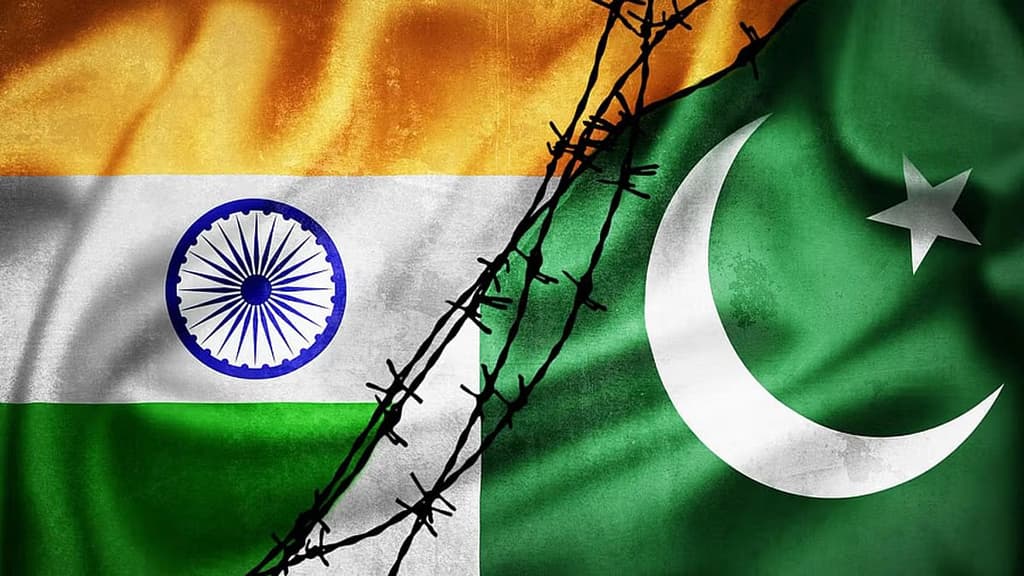
**Trader consensus on an Indian strike on Pakistan by late 2026 reflects the fragile post-2025 ceasefire amid unresolved bilateral strains.** Following the April 2025 Pahalgam attack and India's May Operation Sindoor strikes that escalated into a four-day conflict, a U.S.-brokered ceasefire has held along the Line of Control without major new cross-border aerial or missile operations. Persistent drivers include India's suspension of the Indus Waters Treaty, Pakistan's repeated warnings that water diversions could trigger conflict, and recent Hague arbitration rulings upholding the treaty with interim measures on projects. Diplomatic channels remain frozen, mutual terrorism accusations continue, and both sides have accelerated missile and air defense modernization. These factors sustain elevated but contained risks, with traders pricing limited near-term escalation potential absent fresh triggers such as major attacks or water-related moves.
基於Polymarket數據的AI實驗性摘要。這不是交易建議,也不影響該市場的結算方式。 · 更新於$990,780 交易量
2026年12月31日
14%
$990,780 交易量
2026年12月31日
14%
For the purposes of this market, a qualifying "strike" is defined as the use of aerial bombs, drones, or missiles (including cruise or ballistic missiles) launched by Indian military forces that impact Pakistani territory (e.g., if an Indian missile or drone hits a target within Pakistan’s borders, this market will resolve to "Yes").
Missiles or drones that are intercepted before reaching Pakistani territory, as well as surface-to-air missile strikes, will not be sufficient for a "Yes" resolution regardless of whether debris lands on Pakistani soil or causes damage.
Actions such as artillery fire, small arms fire, FPV or ATGM strikes, ground incursions, naval shelling, cyberattacks, or any operation conducted by Indian ground forces will not qualify as a strike under this market.
The resolution source will be a consensus of credible reporting.
市場開放時間: Nov 13, 2025, 11:15 AM ET
For the purposes of this market, a qualifying "strike" is defined as the use of aerial bombs, drones, or missiles (including cruise or ballistic missiles) launched by Indian military forces that impact Pakistani territory (e.g., if an Indian missile or drone hits a target within Pakistan’s borders, this market will resolve to "Yes").
Missiles or drones that are intercepted before reaching Pakistani territory, as well as surface-to-air missile strikes, will not be sufficient for a "Yes" resolution regardless of whether debris lands on Pakistani soil or causes damage.
Actions such as artillery fire, small arms fire, FPV or ATGM strikes, ground incursions, naval shelling, cyberattacks, or any operation conducted by Indian ground forces will not qualify as a strike under this market.
The resolution source will be a consensus of credible reporting.
**Trader consensus on an Indian strike on Pakistan by late 2026 reflects the fragile post-2025 ceasefire amid unresolved bilateral strains.** Following the April 2025 Pahalgam attack and India's May Operation Sindoor strikes that escalated into a four-day conflict, a U.S.-brokered ceasefire has held along the Line of Control without major new cross-border aerial or missile operations. Persistent drivers include India's suspension of the Indus Waters Treaty, Pakistan's repeated warnings that water diversions could trigger conflict, and recent Hague arbitration rulings upholding the treaty with interim measures on projects. Diplomatic channels remain frozen, mutual terrorism accusations continue, and both sides have accelerated missile and air defense modernization. These factors sustain elevated but contained risks, with traders pricing limited near-term escalation potential absent fresh triggers such as major attacks or water-related moves.
基於Polymarket數據的AI實驗性摘要。這不是交易建議,也不影響該市場的結算方式。 · 更新於


警惕外部連結哦。
警惕外部連結哦。
Frequently Asked Questions