
The 2026 Kraków mayoral election, scheduled for a first round on 27 September following the May recall referendum that removed Civic Coalition mayor Aleksander Miszalski, features a fragmented field of over two dozen registered candidates from KO, PiS, independents, and smaller groupings. This structure, combined with the short campaign window after the July announcement of the date, has kept implied probabilities clustered without a dominant frontrunner. Traders reflect uncertainty over first-round vote splitting and the potential for a runoff, with recent candidate launches and party endorsements failing to produce clear separation. Key variables that could consolidate support include turnout patterns among Kraków’s urban and suburban voters, coalition signals ahead of any second round, and late developments in local policy debates on housing, transport, and EU-funded projects. Historical precedent for Polish local races shows that early polling leads often narrow once full candidate lists and media scrutiny intensify.
สรุปจาก AI ทดลองที่อ้างอิงข้อมูลจาก Polymarket ไม่ใช่คำแนะนำในการเทรดและไม่มีผลต่อการตัดสินตลาดนี้ · อัปเดตแล้วMarian Banaś 36%
Łukasz Wantuch 33%
Marianna Schreiber 33%
Łukasz Gibała 33%

Marian Banaś
36%

Łukasz Wantuch
33%

Marianna Schreiber
33%

Łukasz Gibała
33%

Daria Gosek-Popiołek
33%

Bartosz Bocheńczak
33%

Michał Klimek
33%

Aleksandra Owca
33%

Jan Hoffman
33%

Paweł Śliz
33%

Rafał Sonik
33%

Sławomir Pietrzyk
33%

Marta Ratuszyńska
33%

Michał Drewnicki
33%
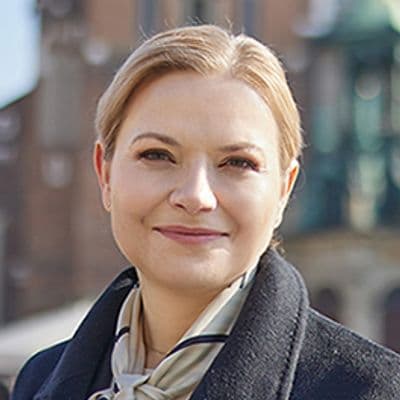
Monika Piątkowska
33%
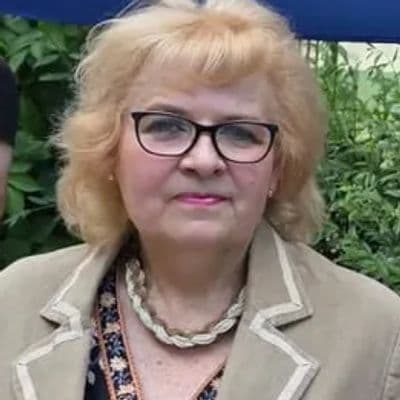
Grażyna Zofia Świat
13%

Rafał Komarewicz
30%
Marian Banaś 36%
Łukasz Wantuch 33%
Marianna Schreiber 33%
Łukasz Gibała 33%
Marian Banaś
36%
Łukasz Wantuch
33%
Marianna Schreiber
33%
Łukasz Gibała
33%
Daria Gosek-Popiołek
33%
Bartosz Bocheńczak
33%
Michał Klimek
33%
Aleksandra Owca
33%
Jan Hoffman
33%
Paweł Śliz
33%
Rafał Sonik
33%
Sławomir Pietrzyk
33%
Marta Ratuszyńska
33%
Michał Drewnicki
33%
Monika Piątkowska
33%
Grażyna Zofia Świat
13%
Rafał Komarewicz
30%
This market will resolve according to the candidate who becomes the next mayor of Kraków as a result of this election.
Temporary, interim, or placeholder mayors appointed before the election will not be considered.
If the result of this election isn't known by December 31, 2026, 11:59 PM ET, the market will resolve to “Other.”
The primary resolution source for this market will be a consensus of credible reporting; however, if there is any ambiguity in the results, this market will resolve according to official information from the City of Kraków, including its election office and Municipal Electoral Commission.
ตลาดเปิดเมื่อ: Aug 6, 2026, 8:39 PM ET
Resolver
0x69c47De9D...This market will resolve according to the candidate who becomes the next mayor of Kraków as a result of this election.
Temporary, interim, or placeholder mayors appointed before the election will not be considered.
If the result of this election isn't known by December 31, 2026, 11:59 PM ET, the market will resolve to “Other.”
The primary resolution source for this market will be a consensus of credible reporting; however, if there is any ambiguity in the results, this market will resolve according to official information from the City of Kraków, including its election office and Municipal Electoral Commission.
Resolver
0x69c47De9D...The 2026 Kraków mayoral election, scheduled for a first round on 27 September following the May recall referendum that removed Civic Coalition mayor Aleksander Miszalski, features a fragmented field of over two dozen registered candidates from KO, PiS, independents, and smaller groupings. This structure, combined with the short campaign window after the July announcement of the date, has kept implied probabilities clustered without a dominant frontrunner. Traders reflect uncertainty over first-round vote splitting and the potential for a runoff, with recent candidate launches and party endorsements failing to produce clear separation. Key variables that could consolidate support include turnout patterns among Kraków’s urban and suburban voters, coalition signals ahead of any second round, and late developments in local policy debates on housing, transport, and EU-funded projects. Historical precedent for Polish local races shows that early polling leads often narrow once full candidate lists and media scrutiny intensify.
สรุปจาก AI ทดลองที่อ้างอิงข้อมูลจาก Polymarket ไม่ใช่คำแนะนำในการเทรดและไม่มีผลต่อการตัดสินตลาดนี้ · อัปเดตแล้ว

ระวังลิงก์ภายนอก
ระวังลิงก์ภายนอก
คำถามที่พบบ่อย