
Um in den USA zu traden, geh zu polymarket.us

icon for Werden 2026 zwei oder mehr Hurrikane in den USA landen?

Werden 2026 zwei oder mehr Hurrikane in den USA landen?

icon for Werden 2026 zwei oder mehr Hurrikane in den USA landen?

Werden 2026 zwei oder mehr Hurrikane in den USA landen?

Ja

<1% Chance
Polymarket
NEU

Ja

<1% Chance
Polymarket
NEU
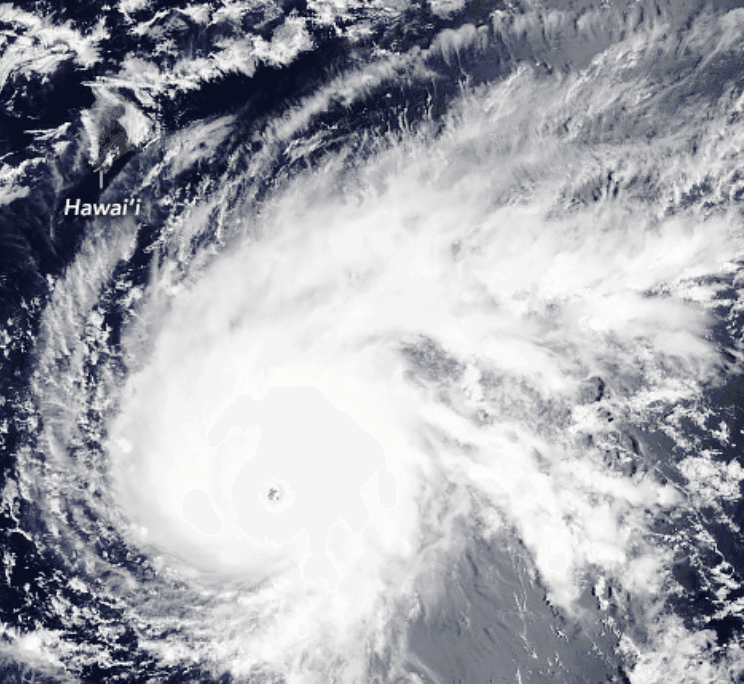
This market will resolve to "Yes" if at least 2 hurricane landfalls occur in the conterminous United States between market creation and December 31, 2026, 11:59:59 PM ET, as reported in official National Hurricane Center advisories (https://www.nhc.noaa.gov/archive/) and post-storm Tropical Cyclone Reports (https://www.nhc.noaa.gov/data/tcr/). Otherwise, this market will resolve to "No". A landfall counts toward this total only if it occurs within this window; the time of the physical landfall governs, not the time any confirming advisory is issued. A hurricane is a tropical cyclone with maximum sustained winds of 74 mph or greater (Category 1 or higher on the Saffir-Simpson Hurricane Wind Scale), as described at https://www.nhc.noaa.gov/aboutsshws.php, and a hurricane landfall is said to occur when the hurricane's surface center intersects with the coastline, as described at https://www.nhc.noaa.gov/aboutgloss.shtml#LANDFALL. A storm must hold hurricane strength (Category 1 or higher on the Saffir-Simpson scale) at the moment its surface center intersects the coastline for that landfall to qualify. If a single storm makes landfall more than once within this area during this period, each landfall identified as a distinct landfall by the NHC is counted separately toward the total. A storm that briefly moves over open water and returns to make an additional landfall counts as a separate landfall only if the NHC's own reporting identifies it as such; a single continuous track that does not leave and re-strike land counts once. This market may resolve based on the initial NHC advisory reporting a qualifying landfall regardless of any later advisory, retraction, best-track revision, or reanalysis that revises that storm's intensity downward at the time of landfall. However, if a subsequent advisory or correction identifies a qualifying landfall that was not reflected in initial reporting, that landfall will be added to the count.**Persistent El Niño conditions have suppressed Atlantic tropical cyclone development throughout the 2026 season, driving the near-certain market-implied odds against two or more U.S. hurricane landfalls.** As of September 10, the basin has produced only five named storms—all tropical storms with maximum sustained winds below hurricane strength (64 knots)—and zero hurricanes, according to National Hurricane Center summaries. Three of those systems (Arthur, Bertha, and Edouard) made U.S. Gulf Coast landfalls as tropical storms. Official NOAA outlooks issued in August project a below-normal season overall, with a 75% probability of below-average activity and ranges centered on just 2–6 hurricanes for the full year, citing continued El Niño-driven wind shear and atmospheric stability that inhibit organization and intensification. With the climatological peak now passing and no hurricanes formed to date, the Accumulated Cyclone Energy stands at roughly 4% of the long-term median. Remaining activity is expected to stay limited, keeping the probability of even one U.S. hurricane landfall low and the chance of two or more extremely remote. While late-season surprises remain possible if steering patterns or shear relax unexpectedly, current model consensus and observational data support the strong trader consensus reflected in the 98.8% implied probability for “No.”

This market will resolve to "Yes" if at least 2 hurricane landfalls occur in the conterminous United States between market creation and December 31, 2026, 11:59:59 PM ET, as reported in official National Hurricane Center advisories (https://www.nhc.noaa.gov/archive/) and post-storm Tropical Cyclone Reports (https://www.nhc.noaa.gov/data/tcr/). Otherwise, this market will resolve to "No". A landfall counts toward this total only if it occurs within this window; the time of the physical landfall governs, not the time any confirming advisory is issued.

A hurricane is a tropical cyclone with maximum sustained winds of 74 mph or greater (Category 1 or higher on the Saffir-Simpson Hurricane Wind Scale), as described at https://www.nhc.noaa.gov/aboutsshws.php, and a hurricane landfall is said to occur when the hurricane's surface center intersects with the coastline, as described at https://www.nhc.noaa.gov/aboutgloss.shtml#LANDFALL. A storm must hold hurricane strength (Category 1 or higher on the Saffir-Simpson scale) at the moment its surface center intersects the coastline for that landfall to qualify.

If a single storm makes landfall more than once within this area during this period, each landfall identified as a distinct landfall by the NHC is counted separately toward the total. A storm that briefly moves over open water and returns to make an additional landfall counts as a separate landfall only if the NHC's own reporting identifies it as such; a single continuous track that does not leave and re-strike land counts once.

This market may resolve based on the initial NHC advisory reporting a qualifying landfall regardless of any later advisory, retraction, best-track revision, or reanalysis that revises that storm's intensity downward at the time of landfall. However, if a subsequent advisory or correction identifies a qualifying landfall that was not reflected in initial reporting, that landfall will be added to the count.
This market will resolve to "Yes" if at least 2 hurricane landfalls occur in the conterminous United States between market creation and December 31, 2026, 11:59:59 PM ET, as reported in official National Hurricane Center advisories (https://www.nhc.noaa.gov/archive/) and post-storm Tropical Cyclone Reports (https://www.nhc.noaa.gov/data/tcr/). Otherwise, this market will resolve to "No". A landfall counts toward this total only if it occurs within this window; the time of the physical landfall governs, not the time any confirming advisory is issued. A hurricane is a tropical cyclone with maximum sustained winds of 74 mph or greater (Category 1 or higher on the Saffir-Simpson Hurricane Wind Scale), as described at https://www.nhc.noaa.gov/aboutsshws.php, and a hurricane landfall is said to occur when the hurricane's surface center intersects with the coastline, as described at https://www.nhc.noaa.gov/aboutgloss.shtml#LANDFALL. A storm must hold hurricane strength (Category 1 or higher on the Saffir-Simpson scale) at the moment its surface center intersects the coastline for that landfall to qualify. If a single storm makes landfall more than once within this area during this period, each landfall identified as a distinct landfall by the NHC is counted separately toward the total. A storm that briefly moves over open water and returns to make an additional landfall counts as a separate landfall only if the NHC's own reporting identifies it as such; a single continuous track that does not leave and re-strike land counts once. This market may resolve based on the initial NHC advisory reporting a qualifying landfall regardless of any later advisory, retraction, best-track revision, or reanalysis that revises that storm's intensity downward at the time of landfall. However, if a subsequent advisory or correction identifies a qualifying landfall that was not reflected in initial reporting, that landfall will be added to the count.
Volumen
$1,651
Enddatum
1. Jan. 2027
Markt eröffnet
Jul 24, 2026, 12:04 PM ET
This market will resolve to "Yes" if at least 2 hurricane landfalls occur in the conterminous United States between market creation and December 31, 2026, 11:59:59 PM ET, as reported in official National Hurricane Center advisories (https://www.nhc.noaa.gov/archive/) and post-storm Tropical Cyclone Reports (https://www.nhc.noaa.gov/data/tcr/). Otherwise, this market will resolve to "No". A landfall counts toward this total only if it occurs within this window; the time of the physical landfall governs, not the time any confirming advisory is issued. A hurricane is a tropical cyclone with maximum sustained winds of 74 mph or greater (Category 1 or higher on the Saffir-Simpson Hurricane Wind Scale), as described at https://www.nhc.noaa.gov/aboutsshws.php, and a hurricane landfall is said to occur when the hurricane's surface center intersects with the coastline, as described at https://www.nhc.noaa.gov/aboutgloss.shtml#LANDFALL. A storm must hold hurricane strength (Category 1 or higher on the Saffir-Simpson scale) at the moment its surface center intersects the coastline for that landfall to qualify. If a single storm makes landfall more than once within this area during this period, each landfall identified as a distinct landfall by the NHC is counted separately toward the total. A storm that briefly moves over open water and returns to make an additional landfall counts as a separate landfall only if the NHC's own reporting identifies it as such; a single continuous track that does not leave and re-strike land counts once. This market may resolve based on the initial NHC advisory reporting a qualifying landfall regardless of any later advisory, retraction, best-track revision, or reanalysis that revises that storm's intensity downward at the time of landfall. However, if a subsequent advisory or correction identifies a qualifying landfall that was not reflected in initial reporting, that landfall will be added to the count.**Persistent El Niño conditions have suppressed Atlantic tropical cyclone development throughout the 2026 season, driving the near-certain market-implied odds against two or more U.S. hurricane landfalls.** As of September 10, the basin has produced only five named storms—all tropical storms with maximum sustained winds below hurricane strength (64 knots)—and zero hurricanes, according to National Hurricane Center summaries. Three of those systems (Arthur, Bertha, and Edouard) made U.S. Gulf Coast landfalls as tropical storms. Official NOAA outlooks issued in August project a below-normal season overall, with a 75% probability of below-average activity and ranges centered on just 2–6 hurricanes for the full year, citing continued El Niño-driven wind shear and atmospheric stability that inhibit organization and intensification. With the climatological peak now passing and no hurricanes formed to date, the Accumulated Cyclone Energy stands at roughly 4% of the long-term median. Remaining activity is expected to stay limited, keeping the probability of even one U.S. hurricane landfall low and the chance of two or more extremely remote. While late-season surprises remain possible if steering patterns or shear relax unexpectedly, current model consensus and observational data support the strong trader consensus reflected in the 98.8% implied probability for “No.”

This market will resolve to "Yes" if at least 2 hurricane landfalls occur in the conterminous United States between market creation and December 31, 2026, 11:59:59 PM ET, as reported in official National Hurricane Center advisories (https://www.nhc.noaa.gov/archive/) and post-storm Tropical Cyclone Reports (https://www.nhc.noaa.gov/data/tcr/). Otherwise, this market will resolve to "No". A landfall counts toward this total only if it occurs within this window; the time of the physical landfall governs, not the time any confirming advisory is issued.

A hurricane is a tropical cyclone with maximum sustained winds of 74 mph or greater (Category 1 or higher on the Saffir-Simpson Hurricane Wind Scale), as described at https://www.nhc.noaa.gov/aboutsshws.php, and a hurricane landfall is said to occur when the hurricane's surface center intersects with the coastline, as described at https://www.nhc.noaa.gov/aboutgloss.shtml#LANDFALL. A storm must hold hurricane strength (Category 1 or higher on the Saffir-Simpson scale) at the moment its surface center intersects the coastline for that landfall to qualify.

If a single storm makes landfall more than once within this area during this period, each landfall identified as a distinct landfall by the NHC is counted separately toward the total. A storm that briefly moves over open water and returns to make an additional landfall counts as a separate landfall only if the NHC's own reporting identifies it as such; a single continuous track that does not leave and re-strike land counts once.

This market may resolve based on the initial NHC advisory reporting a qualifying landfall regardless of any later advisory, retraction, best-track revision, or reanalysis that revises that storm's intensity downward at the time of landfall. However, if a subsequent advisory or correction identifies a qualifying landfall that was not reflected in initial reporting, that landfall will be added to the count.
This market will resolve to "Yes" if at least 2 hurricane landfalls occur in the conterminous United States between market creation and December 31, 2026, 11:59:59 PM ET, as reported in official National Hurricane Center advisories (https://www.nhc.noaa.gov/archive/) and post-storm Tropical Cyclone Reports (https://www.nhc.noaa.gov/data/tcr/). Otherwise, this market will resolve to "No". A landfall counts toward this total only if it occurs within this window; the time of the physical landfall governs, not the time any confirming advisory is issued. A hurricane is a tropical cyclone with maximum sustained winds of 74 mph or greater (Category 1 or higher on the Saffir-Simpson Hurricane Wind Scale), as described at https://www.nhc.noaa.gov/aboutsshws.php, and a hurricane landfall is said to occur when the hurricane's surface center intersects with the coastline, as described at https://www.nhc.noaa.gov/aboutgloss.shtml#LANDFALL. A storm must hold hurricane strength (Category 1 or higher on the Saffir-Simpson scale) at the moment its surface center intersects the coastline for that landfall to qualify. If a single storm makes landfall more than once within this area during this period, each landfall identified as a distinct landfall by the NHC is counted separately toward the total. A storm that briefly moves over open water and returns to make an additional landfall counts as a separate landfall only if the NHC's own reporting identifies it as such; a single continuous track that does not leave and re-strike land counts once. This market may resolve based on the initial NHC advisory reporting a qualifying landfall regardless of any later advisory, retraction, best-track revision, or reanalysis that revises that storm's intensity downward at the time of landfall. However, if a subsequent advisory or correction identifies a qualifying landfall that was not reflected in initial reporting, that landfall will be added to the count.
Volumen
$1,651
Enddatum
1. Jan. 2027
Markt eröffnet
Jul 24, 2026, 12:04 PM ET

Vorsicht bei externen Links.

Häufig gestellte Fragen

„Werden 2026 zwei oder mehr Hurrikane in den USA landen?" ist ein Prognosemarkt auf Polymarket mit 2 möglichen Ergebnissen, bei dem Händler Anteile auf Basis ihrer Einschätzung kaufen und verkaufen. Das aktuell führende Ergebnis ist „Werden im Jahr 2026 zwei oder mehr Hurrikane in den USA auf Land treffen?" mit 1%. Die Preise spiegeln Echtzeit-Wahrscheinlichkeiten der Community wider. Ein Anteilspreis von 1¢ bedeutet, dass der Markt diesem Ergebnis eine Wahrscheinlichkeit von 1% zuweist. Diese Quoten ändern sich laufend, wenn Händler auf neue Entwicklungen reagieren. Anteile am richtigen Ergebnis können bei Marktauflösung für jeweils $1 eingelöst werden.

„Werden 2026 zwei oder mehr Hurrikane in den USA landen?" ist ein neu erstellter Markt auf Polymarket, gestartet am Jul 24, 2026. Als früher Markt haben Sie die Gelegenheit, zu den ersten Händlern zu gehören, die die Quoten setzen und die ersten Preissignale des Marktes etablieren. Sie können diese Seite auch als Lesezeichen speichern, um Volumen und Handelsaktivität zu verfolgen, während der Markt an Fahrt gewinnt.

Um auf „Werden 2026 zwei oder mehr Hurrikane in den USA landen?" zu handeln, durchsuchen Sie die 2 verfügbaren Ergebnisse auf dieser Seite. Jedes Ergebnis zeigt einen aktuellen Preis, der die implizierte Wahrscheinlichkeit des Marktes darstellt. Um eine Position einzunehmen, wählen Sie das Ergebnis, das Sie für am wahrscheinlichsten halten, wählen Sie „Ja" um dafür oder „Nein" um dagegen zu handeln, geben Sie Ihren Betrag ein und klicken Sie auf „Handeln". Liegt Ihr gewähltes Ergebnis bei Marktauflösung richtig, zahlen Ihre „Ja"-Anteile jeweils $1 aus. Liegt es falsch, zahlen sie $0. Sie können Ihre Anteile auch jederzeit vor der Auflösung verkaufen.

Dies ist ein offener Markt. Der aktuelle Spitzenreiter für „Werden 2026 zwei oder mehr Hurrikane in den USA landen?" ist „Werden im Jahr 2026 zwei oder mehr Hurrikane in den USA auf Land treffen?" mit nur 1%. Da kein Ergebnis eine starke Mehrheit hat, sehen Händler dies als hochgradig unsicher an, was einzigartige Handelsmöglichkeiten bieten kann. Diese Quoten werden in Echtzeit aktualisiert – speichern Sie diese Seite als Lesezeichen.

Die Auflösungsregeln für „Werden 2026 zwei oder mehr Hurrikane in den USA landen?" definieren genau, was passieren muss, damit jedes Ergebnis als Gewinner erklärt wird – einschließlich der offiziellen Datenquellen zur Bestimmung des Ergebnisses. Sie können die vollständigen Auflösungskriterien im Abschnitt „Regeln" auf dieser Seite über den Kommentaren einsehen. Wir empfehlen, die Regeln vor dem Handeln sorgfältig zu lesen, da sie die genauen Bedingungen, Sonderfälle und Quellen festlegen.